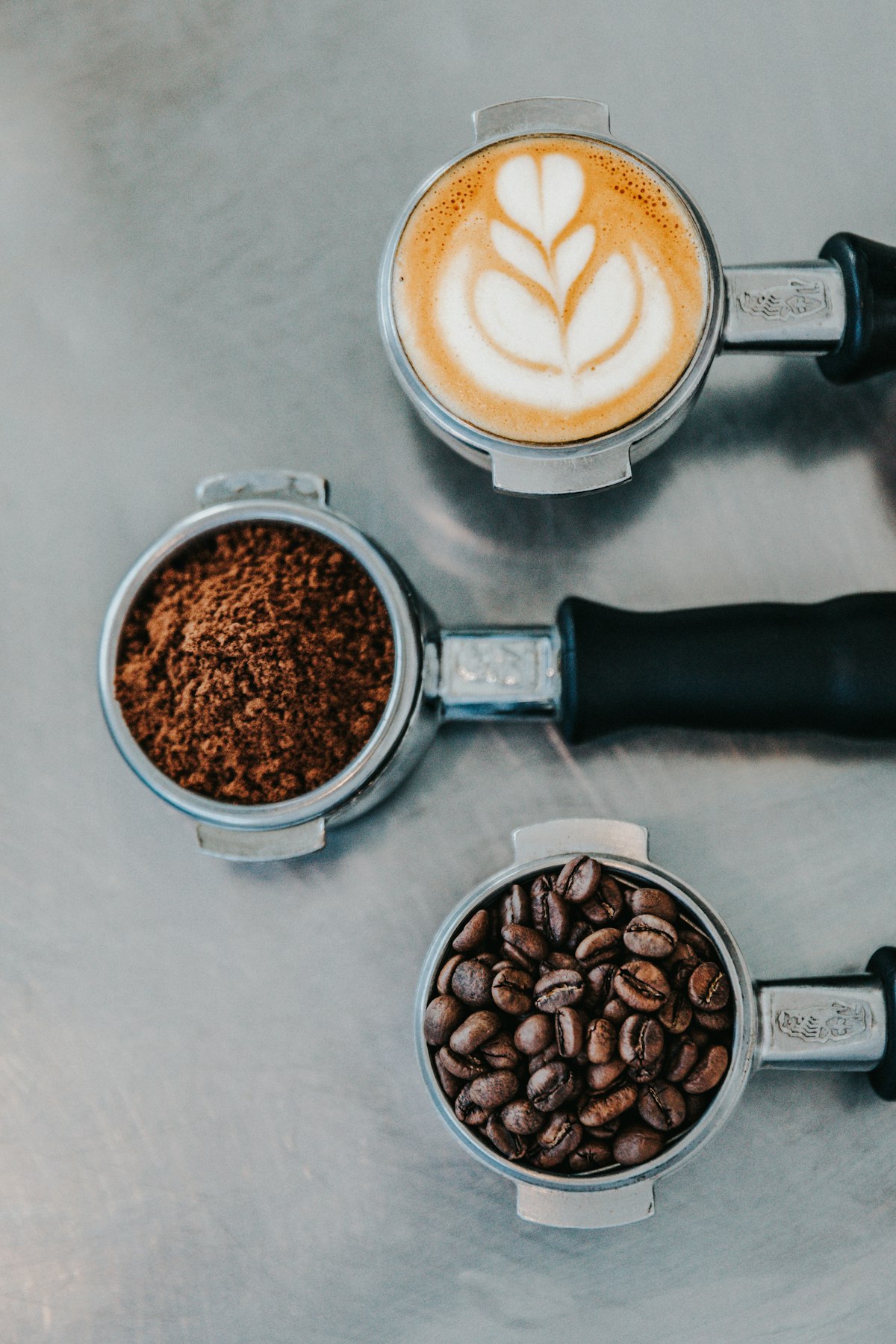
Does Coffee Expire? Shelf Life Guide
Yes, coffee expires, but the date on the bag tells you less than you think. Roasted coffee doesn't spoil the way milk or meat does, so it won't make you ill. It goes stale, and staleness is a flavour problem, not a safety one. Whole beans, ground coffee and instant all age at very different speeds, so here's exactly how long each one lasts and how to keep yours fresh for as long as possible.
- Coffee never "goes off" like perishable food, but it goes stale. Whole beans taste best 2-4 weeks after the roast date.
- ground coffee loses flavour within days of grinding, so buying whole and grinding fresh is the single biggest upgrade you can make.
- Instant coffee lasts the longest, months sealed and a few months once opened, and it never becomes unsafe.
- Airtight, opaque, room-temperature storage is the whole game. Vacuum canisters like the Fellow Atmos or Airscape do it best.
- Stale coffee won't hurt you, it just tastes flat and cardboardy. Trust your nose and your cup.
Does coffee actually expire?
Coffee is a dried, roasted, low-moisture product, and that's why it behaves differently from fresh food. Nothing harmful can easily grow on it while it stays dry. The "best before" date on a bag of beans is a quality marker, not a safety warning. After that date the coffee won't suddenly become dangerous, but the volatile oils that carry flavour and aroma start to fade and oxidise.
You can usually tell stale coffee by smell before you even brew it. Fresh beans smell sweet, fruity or chocolatey depending on the roast. Stale beans smell dusty, musty or flat, like an old cereal box. When you brew stale coffee you get a thin crema, little bloom, and a hollow, bitter or cardboardy taste with none of the sweetness that made you buy the bag in the first place.
How long do coffee beans last?
For whole roasted beans the clock starts at the roast date, not the date you bought them. Most UK roasters print a roast date on the bag, and it's the single most useful piece of information on there. Beans need a few days to degas after roasting, then hit their peak between one and four weeks. A well-stored bag stays perfectly drinkable for six to eight weeks.
Storage decides which end of that range you land on. Oxygen, light and heat are the three enemies, and all three attack the oils inside the bean. An airtight, opaque canister keeps them out far better than the foil bag the beans arrived in. The Fellow Atmos uses a one-way valve to pull air out every time you close the lid, and the Airscape presses a spring-loaded plate down onto the beans to squeeze out the air.
Both genuinely stretch the window before staleness sets in.
How long does ground coffee last?
Ground coffee is the fragile one. Grinding massively increases the surface area exposed to oxygen, so the flavour starts fleeing within minutes, not days. Pre-ground coffee from the supermarket is drinkable for a week or two after opening if it's sealed well, but it's already past its best by the time you buy it because it was ground weeks earlier at the factory.
That's why every serious upgrade path leads to grinding your own. A hand grinder like the Timemore Chestnut C2 costs less than a few bags of premium beans and pays for itself in flavour within weeks. You grind 20 seconds of beans, brew immediately, and every cup tastes like the roast date again. If you must buy pre-ground, buy smaller bags and use them fast.
How long does instant coffee last?
Instant coffee is the survivor of the family. The soluble granules are so dry that they barely react with anything, which is why a sealed jar sits happily in a cupboard for a year or more. Once opened, instant stays perfectly good for three to six months and stays safe well beyond that, it just slowly loses its top notes. Clumping in the jar is moisture getting in, not mould, and it doesn't mean the coffee is bad.
Instant is never going to rival fresh beans for flavour, but it's the most shelf-stable option in the house, so it's the sensible thing to keep for camping, emergencies or the days you can't face the machine.
How to tell if coffee has gone stale
You don't need a lab to spot stale coffee, you need your senses. Smell: fresh coffee smells sweet and aromatic, stale coffee smells dusty or like old cardboard. Bloom: pour hot water over fresh ground coffee and it puffs up as trapped CO2 escapes. Stale coffee barely blooms at all.
Crema: espresso from fresh beans pours a thick golden crema that lingers. Stale beans give you a thin, pale foam that vanishes in seconds. Taste: the giveaway is flatness, a hollow bitterness with no sweetness, fruit or chocolate character left.
If you're not sure whether your beans are past it, brew a cup and compare it to one from a fresh bag. The difference is obvious within a sip.
Does stale coffee make you ill?
No. Stale coffee is safe to drink, it just tastes bad. The roasting process and the low moisture content mean the beans, ground coffee and instant all stay free of the bacteria and moulds that cause food poisoning as long as they're kept dry. The only exception is visible mould, which you'd see as fuzzy growth on the beans, or a damp, musty smell. If you see that, bin the lot, because something got wet somewhere and you shouldn't risk it.
So the worst case with an old bag of beans is a disappointing cup, not a dodgy stomach. If you're ever stuck with stale beans, don't throw them out, use them for cold brew, where the long steep time masks a lot of the staleness.
How to keep coffee fresh longer
Five habits get you most of the way to coffee that always tastes fresh:
1. Buy whole beans and grind as you go. Whole beans lose flavour slowly, ground coffee loses it fast. The Timemore Chestnut C2 makes grinding at home a ten-second job.
2. Store in an airtight, opaque container. Light and air are the enemies. The Fellow Atmos and Airscape both vacuum-seal effectively, the Coffee Gator canister adds a CO2 valve on a budget, and the Esilihom jar is the cheap and cheerful option for daily use.
3. Keep it at room temperature, away from the hob and the kettle. The cupboard above the oven is a heat trap, so pick a cool, dark spot instead.
4. Don't keep dipping into a huge bag for months. A 1kg bag only stays at its best for a few weeks, so if you drink a cup a day, a 1kg bag from Union, Coffee Masters or Lavazza makes sense, but decant it into a canister rather than opening the bag every morning.
5. Freeze only for long-term storage. If you buy in bulk, freeze beans in sealed single-week portions and grind from frozen, but don't repeatedly freeze and thaw a daily-use bag, the moisture cycle wrecks it.
Frequently Asked Questions
Final Verdict
Coffee doesn't expire like perishable food, it goes stale, and staleness is entirely about flavour. Whole beans peak in the month after roasting, ground coffee is measured in days, and instant lasts months. None of it will make you ill, but all of it tastes dramatically better when you store it right.
The cheapest freshness upgrade in coffee is grinding whole beans just before you brew. The second is an airtight, opaque canister like the Fellow Atmos or Airscape instead of a bag that lets air in every time you open it. Do both and your coffee will taste like it was roasted yesterday for weeks, not days.

Sam Roberts writes about coffee machines, beans and brewing gear for Coffee Nerds.
As an Amazon Associate we earn from qualifying purchases.
Last reviewed: August 14, 2026 · Evidence-based content · Contains affiliate links