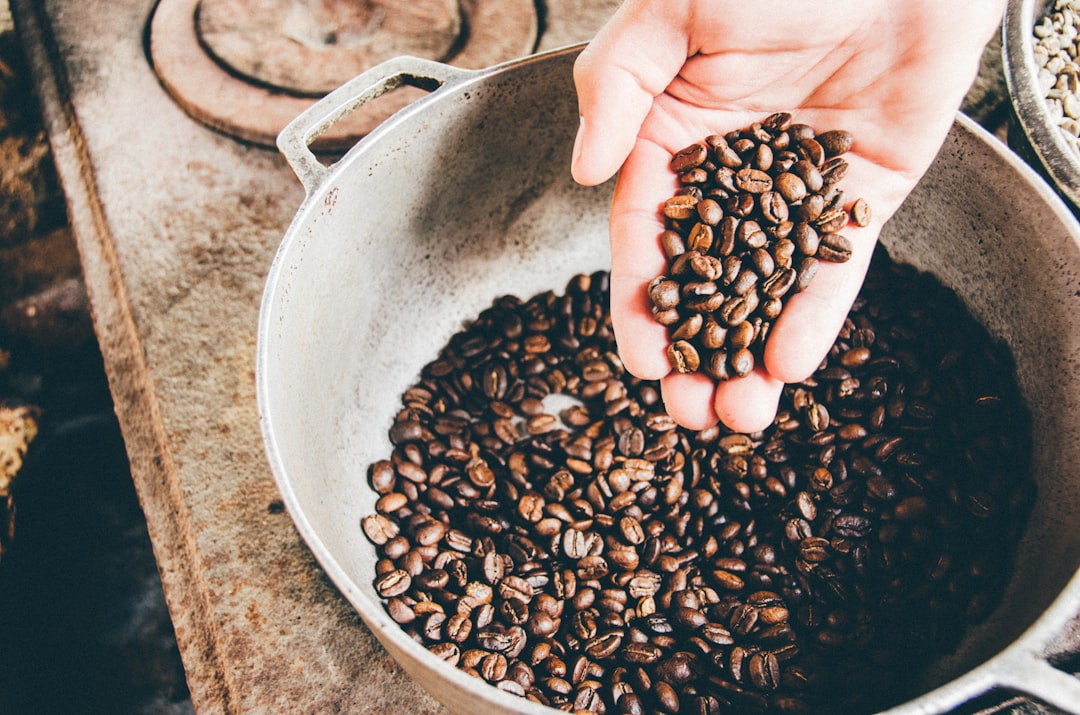
Should You Freeze Coffee Beans? UK Guide
Key Takeaways
- You can freeze coffee beans - it keeps them fresh for 3-6 months when done right
- Use an airtight container like the Fellow Atmos Vacuum Canister - moisture and odours are the enemy
- Grind frozen, never thaw - grinding frozen beans gives better particle consistency and avoids condensation damage
- Freeze in portion-sized batches so you never refreeze - refreezing kills flavour
- Room temperature still wins for short term - freezing is for bulk storage, not daily use
Suggested reading: Best Coffee Storage Containers UK 2026
You have just opened a bag of coffee beans you bought on subscription, and then you spot it - a 3-for-2 deal on your favourite roast from Union or Coffee Masters. Do you buy three bags and freeze two? Or is freezing coffee a crime against everything the roaster worked for?
The short answer: freezing whole coffee beans works perfectly well when you do it the right way. It's not the coffee crime some purists claim - but it's also not something you should do without thinking. Get it wrong and you will end up with stale, flavourless beans that taste more like the freezer drawer than a single-origin Colombian.
This guide covers exactly how to freeze coffee beans for UK coffee lovers, what equipment you need, and the mistakes that ruin frozen coffee.
Does Freezing Coffee Beans Actually Work?
Yes, but with conditions. The idea of freezing coffee has been debated for years. Some roasters insist you should never freeze their beans. Others actively recommend it. The science is pretty clear though - coffee beans last longer at lower temperatures. The oxidation process that turns fresh beans stale slows right down in the freezer.
The big risk isn't the cold. It's moisture. When you take beans out of the freezer, condensation forms on the surface. That moisture makes beans degrade fast and can wash away the oils that carry flavour. But there's a simple fix - grind the beans while they're still frozen, straight from the freezer. No thaw, no condensation, no problem.
The coffee oils that carry flavour compounds don't freeze solid at domestic freezer temperatures (-18 degrees C). What you are actually trying to do is slow the clock on oxidation and volatile aroma loss, both of which are chemical processes that speed up with heat and slow down with cold.
This is why so many specialty coffee enthusiasts and even some roasters now recommend freezing as a valid storage method for coffee beans that you won't use within a month. The key is understanding how to freeze them properly rather than whether you can.
How to Freeze Coffee Beans - The Right Way
Follow these steps and your frozen beans will taste nearly as good as the day they were roasted.
Step 1: Buy the Right Container
This matters more than anything else. You need a container that's completely airtight. The freezer is full of odours from frozen vegetables, fish fingers, and whatever else is in there. Coffee beans are brilliant at absorbing those smells. A good container solves this.
The Fellow Atmos Vacuum Canister is the gold standard for coffee storage, freezer included. It has a vacuum seal pump that removes air from the container, which also helps prevent freezer burn. The 0.4-litre size holds about 250g of beans - a single bag. If you've got more, the Fellow Atmos 0.7-litre or Airscape Coffee Storage Canister are great options for bulk storage.
On a budget? The Coffee Gator Stainless Steel Canister has a one-way CO2 valve and airtight seal for about half the price. Even a good quality freezer bag with the air squeezed out will work in a pinch.
Step 2: Portion Before You Freeze
Never freeze a whole 1kg bag and scoop from it. Every time you open the container, warm air hits the beans and condensation forms. Instead, portion your beans into the amount you'll use in a single brew session - usually 60-70g for a full cafetiere or 18-20g per espresso dose.
That way you take one portion out, grind it frozen, and the rest stays untouched. No refreezing, no condensation cycles, no stale beans.
Step 3: Label Everything
Write the roast date or freezing date on the container. Frozen beans are good for 3-6 months but you'll want to use the oldest ones first. A simple sticker with "Union Original - Frozen 28/7/26" saves you playing guessing games later.
Step 4: Grind Straight From Frozen
This is the most important rule. Take your portion of frozen beans, pour them straight into your grinder, and grind as normal. Don't let them thaw. As the beans warm up, condensation forms on the surface - that moisture ruins the grind and washes away flavour oils. Grinding frozen actually improves particle size consistency because the beans are more brittle. Burr grinders handle frozen beans without any issues.
When NOT to Freeze Coffee Beans
Freezing isn't always the answer. Here's when you should skip it.
If you go through a bag in 2-3 weeks, don't bother freezing. Coffee beans stored in a cool, dark cupboard in a one-way valve bag stay fresh for about a month. Freezing adds steps and doesn't improve flavour over that timescale.
Don't freeze ground coffee. Ever. Ground coffee has so much surface area that it absorbs moisture and freezer smells almost instantly. By the time you use it, it will taste like last week's leftovers.
Don't refreeze. Once beans have been thawed and exposed to air, freezing them again damages the cell structure and the flavour drops off noticeably.
Does the Type of Bean Matter?
Some beans handle the freezer better than others. Dark roasts are more forgiving because the roasting process has already broken down more of the cellular structure. Light roasts, which are denser and more delicate, benefit more from freezing but are also more vulnerable to moisture damage - meaning your container choice matters more.
Single-origin beans like Coffee Masters Colombian Organic or high-end specialty lots are worth freezing if you have bought several bags. Supermarket blends? Less of a concern - they are usually cheaper and you will go through them faster anyway.
Decaf beans freeze particularly well because they tend to be used less frequently. A bag of Taylors of Harrogate Decaffeinated Coffee Beans or Planet Java Swiss Water Decaf can sit happily in the freezer for months, ready for when you want an evening brew without the caffeine.
Alternative: Vacuum Storage at Room Temperature
If you don't fancy the freezer, a good vacuum-sealed container at room temperature is the next best thing. The Fellow Atmos removes air and creates a near-vacuum seal. Owner reports and independent freshness comparisons indicate beans stored in an Atmos at room temperature stay fresh for 5-6 weeks compared to 3-4 weeks in a standard one-way valve bag.
For long-term storage though (anything over 6 weeks), the freezer still wins. And if you are buying beans in bulk to save money - which makes a lot of sense given coffee prices in 2026 - the freezer is your best bet for keeping them at their best.
If you are looking for more options, check out our full guide to the best coffee storage containers UK 2026.
Frequently Asked Questions About Freezing Coffee Beans
Final Verdict
Freezing coffee beans is a perfectly good way to keep them fresh for months - as long as you follow the rules. Airtight container, portion-sized batches, grind straight from frozen. Ignore those rules and you will end up with stale beans that taste of frozen peas.
For most UK coffee drinkers, freezing makes the most sense when you find a good deal on bulk beans or when you have got more coffee than you can drink in a month. With coffee prices rising in 2026 (check our article on coffee price rises and bean-to-cup savings), buying in bulk and freezing responsibly is a smart way to beat the price hikes without compromising on quality.
Our recommendation: Get an airtight container like the Fellow Atmos Vacuum Canister, portion your beans before freezing, grind them cold, and enjoy fresh-tasting coffee from frozen beans for months.

Sam Roberts writes about coffee machines, beans and brewing gear for Coffee Nerds.
As an Amazon Associate we earn from qualifying purchases.
Last reviewed: July 28, 2026 · Evidence-based content · Contains affiliate links