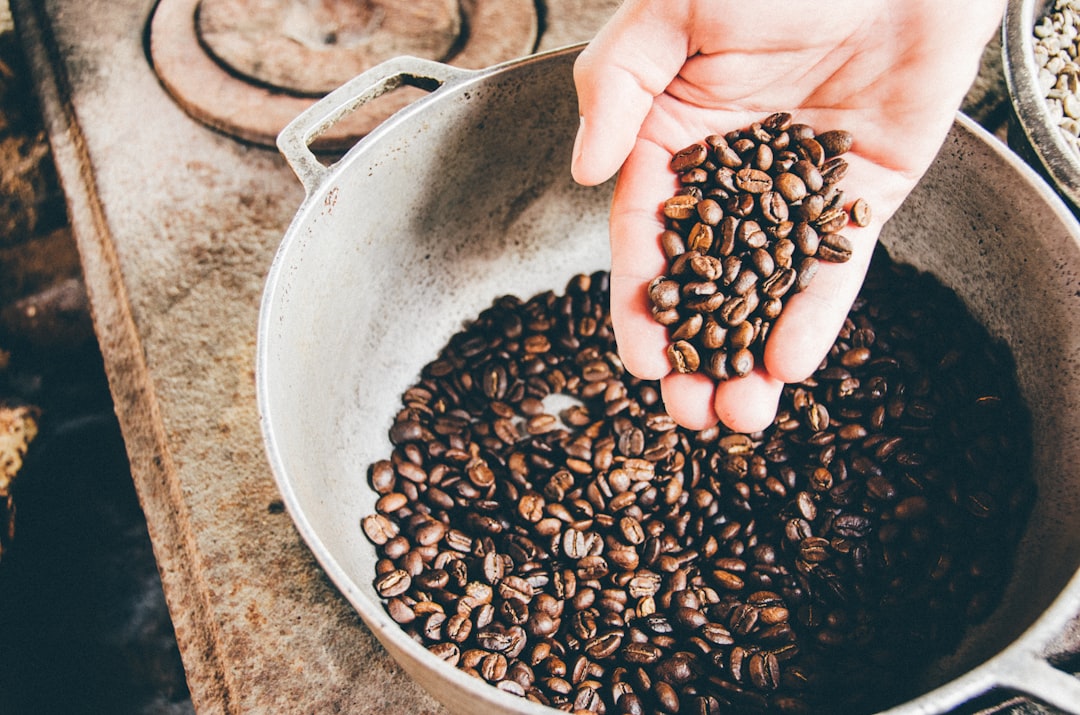
Are Coffee Beans Cheaper Than Ground Coffee? UK Cost Guide
- Whole bean and ground versions of the same coffee cost within a few percent per kilogram in UK supermarkets - the bag size and the brand move the price more than the grind does
- A 1kg bag of beans makes about 65-70 mugs of filter coffee, which works out at roughly 25-30p a mug with Union Original Blend
- The grinder is the only real extra cost - a De'Longhi KG79 at £35-40 pays for itself within weeks if it stops you buying café coffee
- Ground coffee goes stale in days, so a 1kg bag you cannot finish quickly is money half-wasted - beans in an airtight vacuum canister keep for 2-3 weeks
- Pre-ground wins on price only when you skip the grinder entirely - a Lavazza Qualità Rossa ground bag plus a cafetiere is the cheapest decent setup going
Suggested reading: See our whole bean vs pre-ground comparison for the taste difference and burr vs blade grinders for the gear.
Short answer first: no, whole beans are not meaningfully cheaper than ground coffee per kilogram, but they almost always work out cheaper per cup once you count what you actually drink and what you throw away.
The confusion is easy to understand. "Are coffee beans cheaper than ground coffee?" is one of the most common questions we get, and the shelf price rarely makes it obvious. A 1kg bag of beans sits next to a 227g bag of ground coffee, and the smaller bag looks like the bargain until you do the maths.
This guide breaks down what UK shoppers actually pay for whole beans versus ground, where the hidden costs live, and the one purchase that changes the answer.
Quick Comparison
| Factor | Whole Beans | Ground Coffee |
|---|---|---|
| Price per kg (decent brands) | £15-£25 | £14-£24 |
| Price per 250ml mug | ~25-30p | ~25-30p |
| Extra equipment needed | Burr grinder £35+ | None |
| Peak freshness after opening | 2-3 weeks | 3-5 days |
| Practical waste | Low if stored well | High in 1kg bags |
| Best for | Espresso, pour-over, AeroPress | Cafetiere, moka pot, filter |
What the Shelf Prices Actually Say
Take Lavazza Qualità Rossa, the UK's best-selling Italian supermarket coffee. The whole bean version and the ground version sell within a pound or two of each other per kilogram. Same blend, same roast, same price. That is the pattern across every major brand: roasting and bagging costs the same whether the beans leave the roastery whole or crushed.
Where you actually see price gaps is in bag size and branding. Supermarkets price 227g and 500g ground bags at premium per-100g rates, while 1kg bean bags from roasters like Union Original Blend or Coffee Masters Colombian Organic undercut them per gram. The cheapest way to buy coffee in the UK is almost always a 1kg bag of beans, not a small bag of ground.
Cost Per Cup - The Maths
Work from a simple rule: 60 grams of coffee per litre of water, which is the Speciality Coffee Association standard. A 250ml mug takes about 15 grams, so a 1kg bag makes roughly 65 mugs.
A £20 bag of beans therefore costs about 30p a mug. The same brand's ground coffee at £19 a kilo costs about 29p a mug. The difference is a single penny. Anyone who tells you beans are dramatically cheaper per cup is comparing different products, not the same coffee in two forms.
The per-cup gap that actually matters is against café coffee at £3.50 plus and against instant coffee that costs more than most people assume. Brewing either beans or ground at home beats both.
The Grinder Is the Real Cost Question
The only genuine extra cost of whole beans is the grinder, and it is a one-off purchase. A De'Longhi KG79 burr grinder costs about £35-40 and the Timemore Chestnut C2 manual grinder is £55-65, and both last for years if you look after them.
Spread £40 over 500 mugs, which is about eight months at two a day, and the grinder adds 8p a cup. Spread it over two years and it is 3p. Compare that with the 50-60p you save versus a café flat white every single day, and the grinder pays for itself in two to three weeks.
There is one trap: the £12-15 blade grinder like the VonShef Electric Blade Grinder. It chops beans unevenly, which produces bitter, muddy coffee that tastes worse than decent pre-ground. A blade grinder is not a cheaper route - it is a reason to stay with ground coffee.
Freshness Economics - Stale Coffee Is Money Down the Drain
Ground coffee loses most of its aroma within days of grinding because the surface area exposed to oxygen multiplies massively. A 1kg bag of ground coffee is at its best for maybe a week, then it fades. If you drink two mugs a day, that is two weeks per kilo, and the second week is noticeably flatter.
Whole beans hold peak flavour for two to three weeks after the roast date, and longer if stored properly in an airtight vacuum canister like the Fellow Atmos. So the practical waste maths favours beans: you actually use more of what you paid for.
There is an honest counter-argument though: if you buy ground coffee in 227g bags and finish them inside a week, freshness waste is tiny. The waste problem is 1kg ground bags, not ground coffee itself.
When Ground Coffee Actually Wins
Ground coffee is the rational buy in three situations:
- You have no grinder and do not want one. A Lavazza Qualità Rossa ground 1kg plus a Bodum Chambord cafetiere is a complete setup for about £45 and it makes genuinely good coffee.
- You brew with a moka pot or a filter machine, which are the most forgiving of pre-ground coffee.
- You want small batches, because a 227g bag means you are always drinking fresh-ish ground, whereas a 1kg bean bag takes commitment to finish before it fades.
Just check the per-100g price, because small bags are routinely the most expensive coffee in the shop per gram.
What We'd Buy at Each Budget
Budget whole-bean route (~£55)
De'Longhi KG79 plus a bag of Union Original Blend 1kg. The best value bean-to-mug setup in the UK - eighteen grind settings cover cafetiere and filter, and Union's blend is consistent enough for daily drinking.
Sweet spot (~£80)
Timemore Chestnut C2 with Coffee Masters Colombian Organic 1kg. The manual grinder gives you espresso-fine settings for a fraction of an electric machine, and a light roast like this one is where fresh grinding pays off most.
No grinder, no electricity (~£50)
Lavazza Qualità Rossa Ground 1kg brewed in a Bodum Chambord 12 Cup. Zero machines, zero grinders, and a proper cafetiere brew that beats any pod system on cost per cup.
Frequently Asked Questions
Final Verdict
Whole beans and ground coffee cost essentially the same per kilogram, so the price question is really about what you already own and how fast you drink coffee. If you have a grinder or want one, beans are the better buy - fresher, less waste, and 25-30p a mug. If you will never grind, ground coffee is not a rip-off; buy it in small bags and you lose almost nothing.
Our recommendation: buy whole beans with a budget burr grinder if you drink two or more coffees a day, and buy good ground coffee in small bags if you are a one-cup-a-day cafetiere drinker. Both beat café prices by miles. The only genuinely bad deal is stale 1kg ground coffee sitting half-used in the cupboard.
Priya Kapoor writes about coffee machines and brewing gear for Coffee Nerds, bringing a methodical, data-driven approach to comparison.
As an Amazon Associate we earn from qualifying purchases.
Last reviewed: August 13, 2026 · Evidence-based content · Contains affiliate links