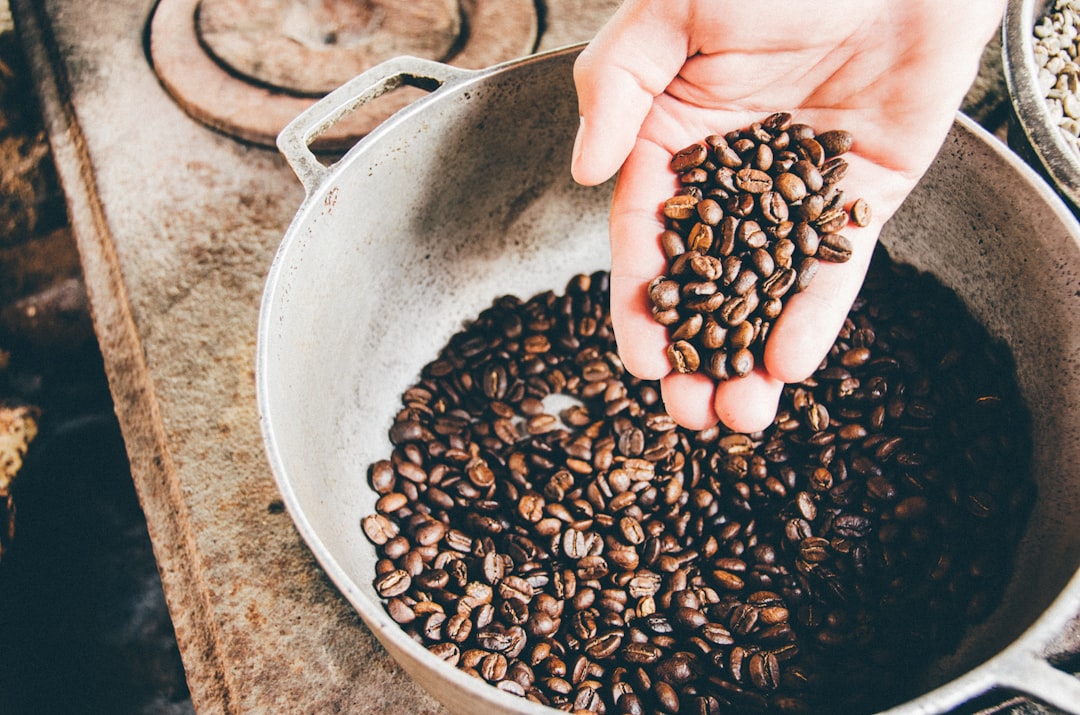
How to Store Coffee Beans: Stay Fresh Longer
Your coffee beans are losing flavour faster than you think. The moment they leave the roaster, the volatile oils that carry aroma and taste start breaking down, and how you store them decides whether you notice that in two weeks or two months. Most of us store beans badly without realising it: in a clear jar on the worktop, in the fridge, or in the foil bag with the top folded over twice.
Here's the good news: keeping beans fresh is not complicated and does not need expensive equipment. A few simple habits, plus a genuinely airtight container like the Fellow Atmos Vacuum Canister if you want the best results, will keep a bag tasting great for weeks longer than a cupboard shelf will.
☕ Key Takeaways
- Beans have four enemies - air, moisture, light and heat. Cut all four and you roughly triple their shelf life
- Airtight beats the bag - a sealed canister like the Fellow Atmos 0.4L beats a folded-over foil bag every time
- Never use the fridge - condensation and food smells ruin beans faster than air does
- Whole beans win - fresh whole beans keep flavour for weeks, while ground coffee dies in days
- Buy smaller, store smarter - a 250g bag finished in three weeks beats a 1kg bag that goes stale on you
Suggested reading: Compare your options in our best coffee storage containers roundup, and see how vacuum canisters stack up against airtight jars.
1. Why Coffee Beans Go Stale (the Science)
Roasted coffee is a dried seed packed with flavour compounds and locked-in carbon dioxide. After roasting, the beans release that CO2 in a process called degassing, and the moment the gas escapes, oxygen gets in. Oxygen oxidises the oils on the bean's surface, turning the bright, fruity notes flat and eventually rancid. Moisture speeds the whole thing up, and light and heat act as catalysts that make every reaction run faster.
That is why roasters ship beans in bags with one-way valves. The valve lets CO2 escape without letting oxygen in, which is a clever design, but the seal on the bag is only as good as your ability to close it properly every single time. Most resealable coffee bags do not actually keep air out once opened; they just slow the exchange down.
2. The Four Enemies of Fresh Coffee
Air. Oxygen is the main killer of flavour: it oxidises the oils and aromatic compounds, which is why an airtight container makes the biggest measurable difference. A vacuum canister like the Fellow Atmos pumps air out after every use, which is the closest you can get to sealing beans in the state they were roasted.
Moisture. Water makes beans stale faster and can encourage mould. This is the reason the fridge is such a bad idea: every time you open the door, warm humid air hits cold beans and condensation forms on them.
Light. UV light degrades the compounds that give coffee its flavour, which is why clear glass jars on sunny worktops are a slow-motion disaster. Opaque canisters are better for exactly this reason.
Heat. Warmth accelerates every chemical reaction in the bean. Keep your beans away from the oven, the kettle, and the radiator, and store them in the coolest cupboard you have.
3. Keep Them in the Bag or Decant Them?
If you finish a bag within two to three weeks, the original packaging is fine. Coffee bags with one-way valves were designed for storage, so there is no shame in keeping beans in them, as long as you squeeze the air out and seal them properly after every use.
If you drink slowly, buy bigger bags, or just want the best possible cup, decant the beans into a proper canister. The Fellow Atmos 1.2L holds a full kilo bag, while the Airscape Coffee Storage Canister uses a clever weight-driven lid that pushes air out without a pump. On a budget, the Coffee Gator canister seals well and costs a fraction of the premium options.
4. Should You Freeze Coffee Beans?
Freezing is genuinely useful for long-term storage, and genuinely bad for daily use. If you freeze a sealed bag of beans you will not open for a month, they come out fresher than beans that sat on a shelf. But every time you open the freezer bag, condensation hits the beans, and refreezing multiplies the damage.
For most UK drinkers, the honest answer is to buy smaller bags more often. We covered the full freezer debate in should you freeze coffee beans, including the exact method if you do decide to freeze.
5. How Long Do Beans Actually Last?
Whole roasted beans are at their best for two to four weeks after the roast date, and stay drinkable for six to eight weeks when stored properly. Check for a roast date on the bag, not a best-before date: a supermarket best-before can be a year away, but a bean roasted nine months ago is already dead.
Ground coffee is a different story. Grinding smashes the bean into thousands of pieces, multiplying the surface area exposed to oxygen, so ground coffee tastes noticeably flat after about a week. That is why the single biggest freshness upgrade is buying whole beans like Union Original Blend or Lavazza Qualità Oro and grinding just before you brew.
6. Common Storage Mistakes (and What to Do Instead)
- Storing beans in the fridge. Condensation and odour absorption ruin them. Use an airtight opaque canister in a cupboard instead.
- Keeping beans in a clear glass jar on the worktop. Light degrades flavour. Switch to an opaque or tinted canister.
- Leaving beans in the grinder hopper. The hopper is open to air and sits near heat. Only grind what you need.
- Buying pre-ground in bulk. It stales in days. Buy whole beans and grind fresh, or buy ground in smaller bags.
- Refilling a canister without cleaning it. Old oils go rancid and contaminate the new beans. Wipe it out between bags.
7. The Simple Rule for Fresh Coffee
Buy smaller, store airtight, grind fresh. If you buy a bag you will finish in two to three weeks, the original packaging is fine and you barely need to think about storage. If you buy bigger bags or drink slowly, spend the small amount on a good canister. The Fellow Atmos 0.4L is our top pick for daily use, and the Esilihom airtight canister is a solid budget alternative that holds a standard 1kg bag.
Pair good storage with fresh beans and a decent grinder, and you will notice the difference in the first cup. For ideas on what to buy next, our best 1kg coffee beans guide and best organic coffee beans roundup are both good places to start.
Frequently Asked Questions
Final Verdict
Good storage is the cheapest upgrade in coffee. You can spend £200 on a grinder and £600 on a machine, but if the beans sit in a clear jar above the kettle for three weeks, every cup will taste of what you did to the beans, not what the roaster did.
Keep beans whole, keep them in an airtight opaque container, and keep them away from heat, light and moisture. The Fellow Atmos 0.4L is the best canister we have compared for daily use, and if you want the full rundown of every option, our best coffee storage containers UK guide covers them all in detail.
Products mentioned in this guide
- Fellow Atmos Vacuum Canister 0.4L - our top pick for daily storage
- Fellow Atmos Vacuum Canister 1.2L - the big one for kilo bags
- Airscape Coffee Storage Canister 1.1kg - pump-free vacuum style
- Coffee Gator Stainless Steel Canister - best value sealed canister
- Esilihom Airtight Coffee Canister 1800ml - budget pick for 1kg bags
- Union Original Blend Coffee Beans 1kg - reliable daily-drinker beans
- Lavazza Qualità Oro Whole Bean - smooth supermarket favourite
- Coffee Masters Colombian Organic 1kg - organic option that grinds beautifully
Read the full comparison in our best coffee storage containers UK roundup.

Sam Roberts writes about coffee machines, beans and brewing gear for Coffee Nerds.
As an Amazon Associate we earn from qualifying purchases.
Last reviewed: August 6, 2026 · Evidence-based content · Contains affiliate links