4 Beginner Coffee Brewing Methods (UK 2026)
So you want to make better coffee at home but you're drowning in advice. V60, Chemex, AeroPress, French press, moka pot, drip machine, cold brew - the list goes on. Here's the truth: you only need to know four methods to cover every situation. We compared the most beginner-friendly brewing methods for taste, cost and daily usability so you can pick the one that fits your morning.
Quick Answer
If you want the simplest start, grab a Bodum Chambord French press for under 15 pounds. If you want more control without much extra effort, the AeroPress Original is the best all-rounder. Both beat instant coffee by a mile.
1. French Press - The No-Brainer Starter
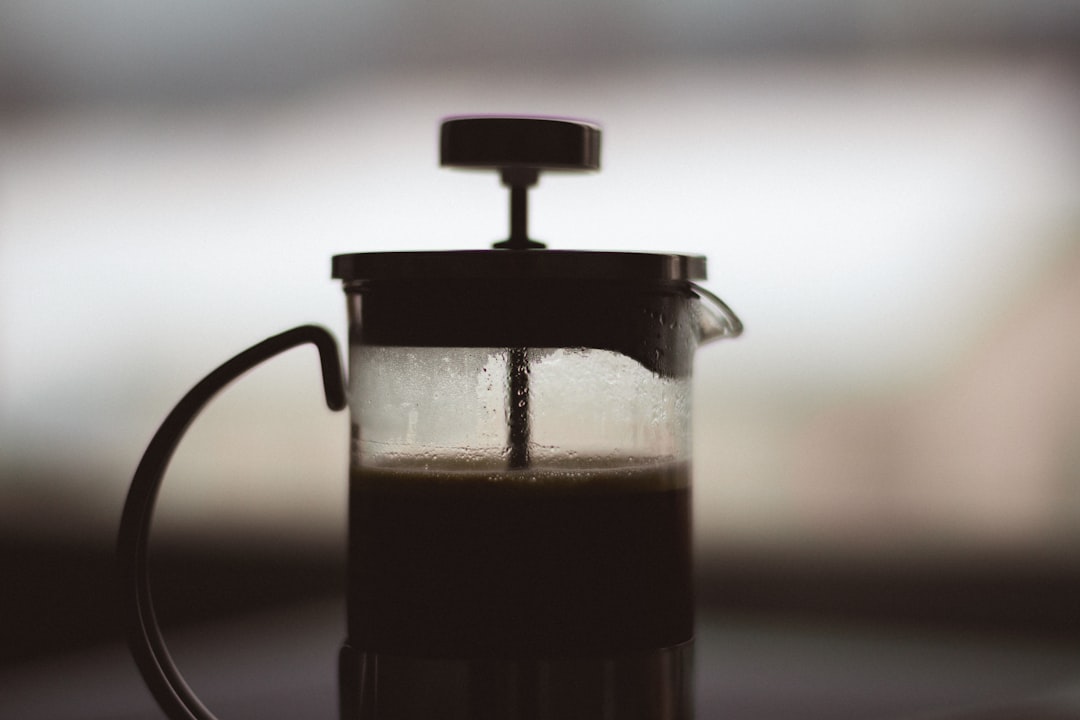
The French press (also called a cafetiere) is the most forgiving method for beginners. Add coarse ground coffee, pour hot water over it, wait four minutes, press the plunger down. Done.
What makes it ideal for new brewers is the simplicity. There's no technique to learn, no special filters to buy, and no precision required beyond a basic timer. The metal mesh filter lets coffee oils through, which gives you a full-bodied, rich cup that tastes like proper coffee rather than weak dishwater.
The trade-off is that French press coffee can leave fine sediment at the bottom of your cup. It's not gritty, but you'll notice a bit of sludge if you drink to the last drop. Most people don't mind, and you can reduce it by grinding coarser or pouring slowly.
Best for: People who want zero faff and a bold, straightforward cup.
Read our full French press buying guide for more detail on sizes, glass vs steel, and the best models we compared. If you want a budget option to start with, the Bodum Brazil 8 Cup is a reliable pick under 20 pounds.
2. Pour-Over - The Step Up
Pour-over brewing means slowly pouring hot water through ground coffee in a paper filter. It takes a bit more attention than a French press, but the result is a cleaner, brighter cup that highlights the flavour notes in your beans.
You don't need expensive kit to start. A basic dripper and some paper filters will do. The Chemex Classic 6-Cup is the iconic pour-over brewer - the hourglass shape and thick paper filters produce a remarkably clean cup. The technique is simple: wet the filter first, add your ground coffee, then pour hot water in slow circles. The paper catches oils and sediment, which is why the cup comes out clean and crisp.
The learning curve is gentle. You'll get a decent cup on your first try, and you'll get a great cup by your third or fourth attempt. The main thing to get right is the grind size - medium-fine, like table salt.
Best for: People who enjoy the ritual and want to taste the differences between coffee beans.
3. AeroPress - The Versatile All-Rounder
The AeroPress Original is a plastic brewing device that pushes water through coffee using manual pressure. It's small, virtually indestructible, and makes an excellent cup in about two minutes.
What sets the AeroPress apart is its flexibility. You can brew it like a standard immersion method (steep then press), or you can flip it upside down for a longer steep. You can make it strong like espresso or light like filter coffee, all with the same device. It's the Swiss Army knife of home brewing.
For beginners, the standard method is the best starting point. Add coffee, add water, stir, wait a minute, press. The paper filters produce a clean cup, and the short brew time means you're less likely to over-extract and get bitterness.
Best for: People who travel, live in small kitchens, or want one device that does everything.
Check our best beans for AeroPress if you want to pair it with the right grind.
4. Filter/Drip Machine - The Set-and-Forget Option
A drip coffee machine does all the work for you. Add water and ground coffee, press a button, and come back to a full pot. It's the most hands-off method, which is exactly why millions of people use one.
The quality of drip coffee has improved a lot in recent years. Budget machines from Morphy Richards and Swan now produce a consistently decent cup, and the bigger ones brew enough for the whole household. You do need to buy paper filters (or a reusable mesh filter), but they're cheap.
The downside is that drip machines tend to run hotter than manual methods, which can scorch lighter roasts. If you're using dark roast supermarket coffee, you won't notice. If you're buying speciality beans, you might want more control over water temperature.
Best for: Households that want a full pot without standing over the kettle.
Which Method Should You Pick?
There's no wrong answer here, but here's a quick decision path:
- Zero effort, bold cup: French press - under 15 pounds, no filters, no learning curve
- Clean, bright flavour: Pour-over - cheap kit, a bit of technique, great for single-origin beans
- One device for everything: AeroPress - compact, versatile, nearly indestructible
- Full pot, no effort: Drip machine - set it and walk away. The Krups KM321 is a solid budget option.
If you're not sure, start with a French press. It costs the least, teaches you what good coffee tastes like, and you'll never regret owning one even if you upgrade later. Most coffee nerds still keep a cafetiere in the cupboard.
Related Articles
Once you've picked your method, these guides will help you get the most from it:
- French Press Coffee: 6 Questions Answered
- French Press vs Pour-Over: Which Makes Better Coffee?
- AeroPress Grind Size Guide
- Coffee-to-Water Ratio Cheat Sheet
Frequently Asked Questions

Sam writes about coffee for Coffee Nerds - machines, grinders, beans and brewing gear for UK coffee lovers. He keeps the nerdy details practical.
As an Amazon Associate we earn from qualifying purchases.
Last reviewed: August 25, 2026 · Evidence-based content · Contains affiliate links