Coffee to Water Ratio: 5 Ratios to Know (Cheat Sheet)
- The golden coffee to water ratio is 1:16 - 1 gram of coffee to 16 grams of water. That works for most methods and most beans.
- Espresso is the outlier at 1:2 (18g in, 36g out). French press sits at 1:15-1:16, AeroPress is happiest at 1:13-1:16.
- Cold brew concentrate uses 1:8 and gets diluted 50/50 before drinking.
- A digital coffee scale with 0.1g precision fixes ratios forever - a tablespoon can weigh anywhere from 5g to 15g.
- Light roasts want more water (1:17), dark roasts less (1:15). Adjust within the range and keep notes.
Suggested reading: Coffee to Water Ratio: A Simple Guide · Coffee Scale Guide: Precision Brewing
The short answer: use 1:16 - 1 gram of coffee for every 16 grams of water. For a standard 250ml mug that's 15-16 grams of coffee, and it's the ratio most UK coffee shops and the Specialty Coffee Association start from. Everything below is the same idea adjusted for how each brewer extracts.
Ratios matter because coffee is extraction. Too little water and you get sour, thin cups. Too much and you get bitter, hollow ones. The ratio is the dial that controls it, and it costs nothing to fix. A good coffee scale plus these five numbers gets you better coffee than most café chains pour.
1. Espresso: 1:2
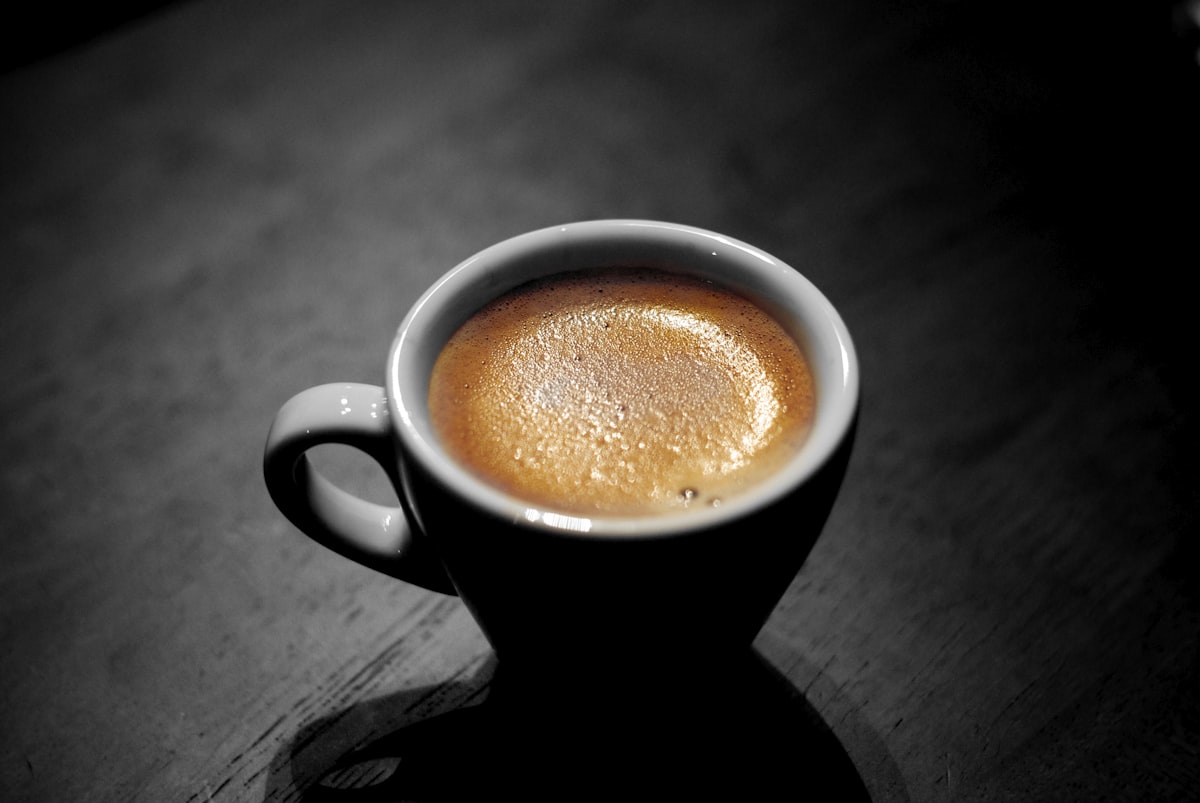
Espresso is the most concentrated ratio on the list, and it's the one beginners get wrong first. The standard is 1:2 - 18 grams of coffee in the basket, 36 grams of liquid out, in 25-30 seconds. Dial it by weight, not by watching the cup fill.
If it runs fast and thin, grind finer. If it drips slowly, grind coarser. For a machine that handles the grind and dose for you, a bean-to-cup like the Philips 2200 takes the guesswork out entirely, but the ratio maths underneath is the same.
2. Pour Over and V60: 1:16 to 1:17
Pour over sits right in the golden range. Start at 1:16.5, which gives a clean, bright cup that shows off a bean's origin notes. A Hario V60 Drip Decanter is the classic brewer here. Pour a 40-second bloom with twice the coffee weight in water, then top up in slow circles. The Fellow Stagg EKG gooseneck kettle makes that controlled pour much easier, and the built-in temperature control helps you hold 93-96°C.
3. French Press: 1:15 to 1:16
French press brews with full immersion, so it can handle a slightly tighter ratio without turning bitter, which is why I use 1:15.5 as my baseline. For a full 1 litre press that's 64-65 grams of medium-coarse coffee and 1 litre of just-off-the-boil water, steeped 4 minutes before plunging. The Bodum Chambord 12 cup is the UK favourite for batch brews - see our best cafetiere guide for the full line-up.
4. AeroPress: 1:13 to 1:16
The AeroPress is the most forgiving brewer on the market because you control steep time as well as ratio. Start at 1:15 and adjust to taste - go 1:13 for a stronger, syrupy cup, 1:16 for a cleaner one. The AeroPress Original brews a single cup in about 90 seconds and cleans up in five. It's the cheapest way to experiment with ratios without wasting a bag of beans.
5. Cold Brew: 1:8 (concentrate)
Cold brew is the exception because you dilute it after brewing. Use 1:8 - 100 grams of coarse coffee to 800ml of cold water - steeped for 12-18 hours in the fridge. The result is a concentrate that you cut 50/50 with water or milk. The Hario Mizudashi Cold Brew Pot makes this easy with a built-in filter and a 1 litre capacity.
Beans to Match the Ratio
Ratio gets you consistency; beans get you flavour. For the 1:16 range, a medium roast is the safest bet. Union Original Blend is a solid UK all-rounder that works for pour over, French press and AeroPress alike. If you want something brighter for pour over, Lavazza Qualità Oro is a medium roast with a clean, sweet profile. Grind fresh with a Timemore Chestnut C2 manual grinder - consistent grind size matters almost as much as ratio.
Frequently Asked Questions
Final Verdict
Memorise one number: 1:16. It's the ratio that works for most beans and most brewers, and it's the best starting point you'll ever find. Espresso at 1:2 and cold brew at 1:8 are the two exceptions worth remembering, because they're concentrated by design.
Everything else is taste, and a decent scale plus a bag of decent beans will outperform a £500 machine upgrade, because ratio affects every brew method the same way. Start at 1:16, adjust by half a gram, keep notes, and within a week you'll have your own numbers dialled in.
Products mentioned in this guide:
- Coffee Scale with Timer - accurate to 0.1g, built-in timer
- Fellow Stagg EKG Gooseneck Kettle - temperature-controlled pour over kettle
- Hario V60 Drip Decanter - classic pour over dripper
- Bodum Chambord 12 Cup - UK favourite French press
- AeroPress Original Coffee Maker - forgiving single-cup brewer
- Hario Mizudashi Cold Brew Pot - 1 litre cold brew concentrate
- Union Original Blend Coffee Beans 1kg - UK all-rounder
- Lavazza Qualità Oro Coffee Beans - bright medium roast
- Timemore Chestnut C2 Manual Grinder - consistent hand grinder

Sam Roberts writes about coffee machines, beans and brewing gear for Coffee Nerds.
As an Amazon Associate we earn from qualifying purchases.
Last reviewed: August 13, 2026 · Evidence-based content · Contains affiliate links