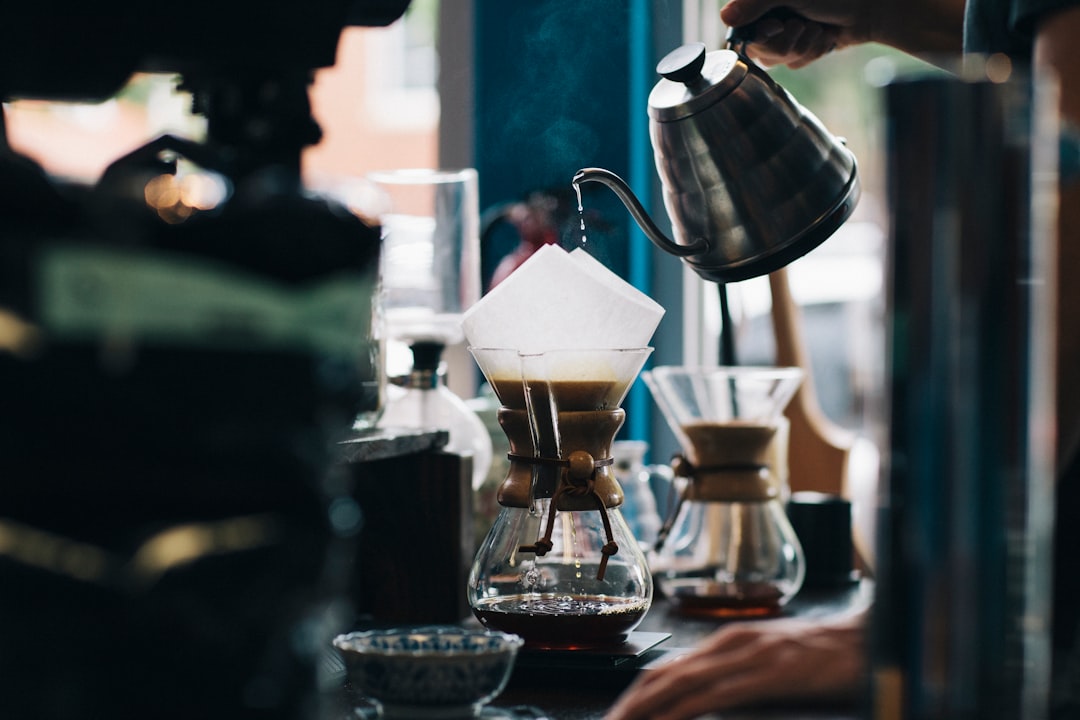
French Press vs Pour Over: Which Wins?
- The Bodum Chambord 12 Cup cafetiere is the pick for a full-bodied, rich cup with zero technique - grounds, water, four minutes, plunge
- The Hario V60 Drip Decanter wins on flavour clarity, showing off bright origin notes in lighter roasts that a press flattens
- Grind is the biggest practical difference: coarse for the press, medium-fine for pour over, and a Timemore Chestnut C2 burr grinder handles both
- The cafetiere brews 3 to 12 cups in one go; a V60-02 dripper does 2 to 4, which matters if you fill a house with coffee drinkers
- Both cost well under 50 for a full setup and both beat pod machines on flavour per pound - pair either with Union Original Blend for an honest taste test
Here's the short version: the French press is the brewer you buy for a full-bodied, comforting cup with almost no learning curve, while pour over is the brewer you buy when you want to taste every note in the bean and you don't mind a little ritual. Pick the wrong one and you either get a muddier, heavier cup than you wanted or a frustrating first week of weak, bitter pours.
We compared both methods using Amazon purchaser reviews, manufacturer specifications and independent feedback, looking at taste, grind, ease of use, price, capacity and cleanup. Both are classics for a reason, and both make coffee that beats anything from a pod. The question is which one fits your morning.
Quick Comparison
| Feature | French Press | Pour Over (V60) |
|---|---|---|
| Price | ~25 for a quality press | ~25-40 with carafe, plus filters |
| Brew time | 4-5 minutes, mostly waiting | 3-4 minutes, active pouring |
| Grind size | Coarse, forgiving | Medium-fine, precise |
| Cups per go | 3-12 depending on size | 2-4 (V60-02) |
| Cup character | Full-bodied, rich, heavy | Bright, clean, detailed |
| Skill needed | Almost none | Moderate pour control |
| Cleaning | Bin grounds, rinse glass | Bin filter, rinse dripper and carafe |
| Best for | Big batches, easy mornings, rich coffee | Flavour chasers, single cups, light roasts |
Bodum Chambord: The Classic Cafetiere
The Bodum Chambord 12 Cup is the press most UK kitchens grew up with: a borosilicate glass carafe, a stainless steel frame and a mesh plunger, brewing 1.5 litres in one go. It's been the default cafetiere since 1974, and the design has barely changed because there's not much to improve.
The method is simple. Add coarse grounds, roughly 60g for a full 12-cup pot, pour in water just off the boil, wait four minutes, then push the plunger down slowly. The mesh filter traps the grounds but keeps the coffee oils, and those oils are what give a press cup its body. You get a rich, velvety mouthfeel and a sweetness that a paper filter strips away.
What makes it forgiving is the lack of variables. No pouring technique, no temperature control, no scale required if you're happy eyeballing it. Owner feedback on Amazon UK consistently describes it as the brewer that "just works" and lasts for years, with replacement parts widely available. The 12-cup size handles a full house, and smaller versions like the 8-cup Bodum Brazil suit one or two drinkers.
The downsides are real but manageable. Coarse grounds can slip past the mesh and leave a little sludge in the last sip, the coffee keeps brewing while it sits in the carafe so it turns bitter if you leave it, and the glass carafe needs careful handling. None of these are dealbreakers, but they explain why pour over fans call the press a blunt instrument.
Hario V60: The Pour-Over Standard
The Hario V60 Drip Decanter is a conical glass dripper with a single large hole, sitting on a 600ml glass server. Water passes through the grounds by gravity and a paper filter, and the spiral ridges inside the cone let you control the flow. It's the brewer most UK speciality coffee shops use for filter, and it's been the world standard for pour over since 2005.
Because extraction happens over three to four minutes with a controlled pour, the V60 shows off the bean. Light roasts that taste flat in a press open right up: you get the florals, the stone fruit and the bright acidity that roasters print on the bag. That clarity is the entire reason to own one, and it's why single-origin coffee shines here.
The cost is technique. Your pour needs to be steady, your water needs to be off the boil, and your grind needs to be consistent. A Fellow Stagg EKG gooseneck kettle makes the pour controllable, and a Timemore Chestnut C2 burr grinder at medium-fine keeps the drip moving. Get those two right and the V60 rewards you with cups a press can't reach.
The other win is portion control. The V60-02 drips two to four cups into the carafe, and you can brew straight into a mug for a single serve without wasting a pot. Filter papers cost a few pounds for 100, the dripper rinses clean in seconds, and there's no sludge, no staleness and no glass carafe full of leftover coffee going bitter on the counter.
Head to Head
Taste: This is the decider for most people. The press keeps the oils and gives you a full-bodied, rich, slightly heavier cup with more mouthfeel and sweetness. Pour over strips the oils through paper and gives you a bright, clean, tea-like cup where origin character leads. Same beans, same ratio, and they taste genuinely different side by side. If you buy Coffee Masters Colombian Organic and want to taste the berry notes, that's a pour over cup. If you want a cosy, chocolatey mug that handles milk beautifully, that's a press cup.
Ease of use: French press by a mile. Grounds, water, wait, plunge. No kettle skills, no timer, no pouring practice. Pour over needs a gooseneck kettle, a steady hand and a few practice brews before the first great cup. The learning curve is short, most people nail it within a week, but it is a curve.
Grind size: The press wants coarse, about the size of breadcrumbs, so the mesh can strain it and you don't end up with a muddy cup. Pour over wants medium-fine, closer to table salt, so the water flows at the right speed. A decent burr grinder like the Timemore Chestnut C2 covers both, which is why we'd buy the grinder before either brewer.
Price: The Bodum Chambord at around 25 to 30 is a complete brewer, no ongoing costs beyond beans. The V60 decanter set at around 30 to 40 is the dripper plus carafe, but you'll want a gooseneck kettle like the Fellow Stagg EKG on top, which pushes a full setup towards 80 to 180. Both need fresh beans to do their job, and filter papers add a few pounds a year for pour over.
Capacity: The press wins for groups. A 12-cup Chambord pours a full pot for four or five people, and an 8-cup Bodum Brazil covers a couple. Pour over is a 2 to 4 cup brewer at most, and brewing two back to back on a busy morning is faff. If you regularly make coffee for more than two, the press is the practical answer.
Cleaning: Both are quick, but different. The press needs the grounds binned and the glass rinsed, and the mesh plunger wants an occasional deeper clean. Pour over is bin the paper filter, rinse the dripper and carafe, done. Neither is the chore that a bean-to-cup machine's brew group is.
Which One Should You Buy?
The Honest Middle Ground
Plenty of UK coffee nerds end up owning both, and it's not indulgence. The press covers weekday mornings and guests, the V60 comes out at the weekend or whenever there's a new bag of beans to taste properly. Both together cost less than a mid-range bean-to-cup machine, and both will outlive it. If you can only start with one, start with the French press, then add the V60 once the coffee habit is properly stuck.
And if neither sounds quite right, the AeroPress sits in the middle: press-style body with paper-filter clarity, and the fastest cleanup of the three. Our full comparison is in AeroPress vs V60.
Frequently Asked Questions
Final Verdict
If you buy one brewer today, make it the French press. It's cheaper, easier, brews more at once and makes a genuinely rich cup from day one. The Hario V60 is the upgrade path for when you want to taste everything a great bag of beans can do, just know it asks for a gooseneck kettle and a proper grinder before it shows off.
Both are the best 25 to 40 you can spend in coffee, and both beat any pod machine for flavour per pound. Start with the press, enjoy it, and let the V60 call to you when the ritual sounds appealing. Whichever you pick, fresh beans ground on a Timemore Chestnut C2 will beat a stale bag in a 500 machine every single time.
Products mentioned in this guide
- Bodum Chambord 12 Cup - Best French press for big batches and rich cups
- Bodum Brazil 8 Cup - Best cafetiere for one or two drinkers
- Hario V60 Drip Decanter - Best pour over for flavour clarity and single cups
- Fellow Stagg EKG Electric Gooseneck Kettle - The kettle that makes V60 pours controllable
- Timemore Chestnut C2 Manual Grinder - The burr grinder both brewers need
- Maestri House S2 Coffee Scale with Timer - Weighs beans and times the brew for repeatable cups
- Union Original Blend Coffee Beans 1kg - A reliable all-rounder for either brewer
- AeroPress Original Coffee Press - The middle-ground brewer if neither style is quite right
Read our full cafetiere guide · Best beans for French press · Pour-over beginners guide · Coffee grind size guide

Sam Roberts
Writer, Coffee Nerds
Sam writes about coffee machines, grinders, beans and brewing gear. He has covered over 30 machines in guides and comparisons from budget pod makers to dual-boiler setups.
Last reviewed: August 19, 2026 · Evidence-based review · Contains affiliate links