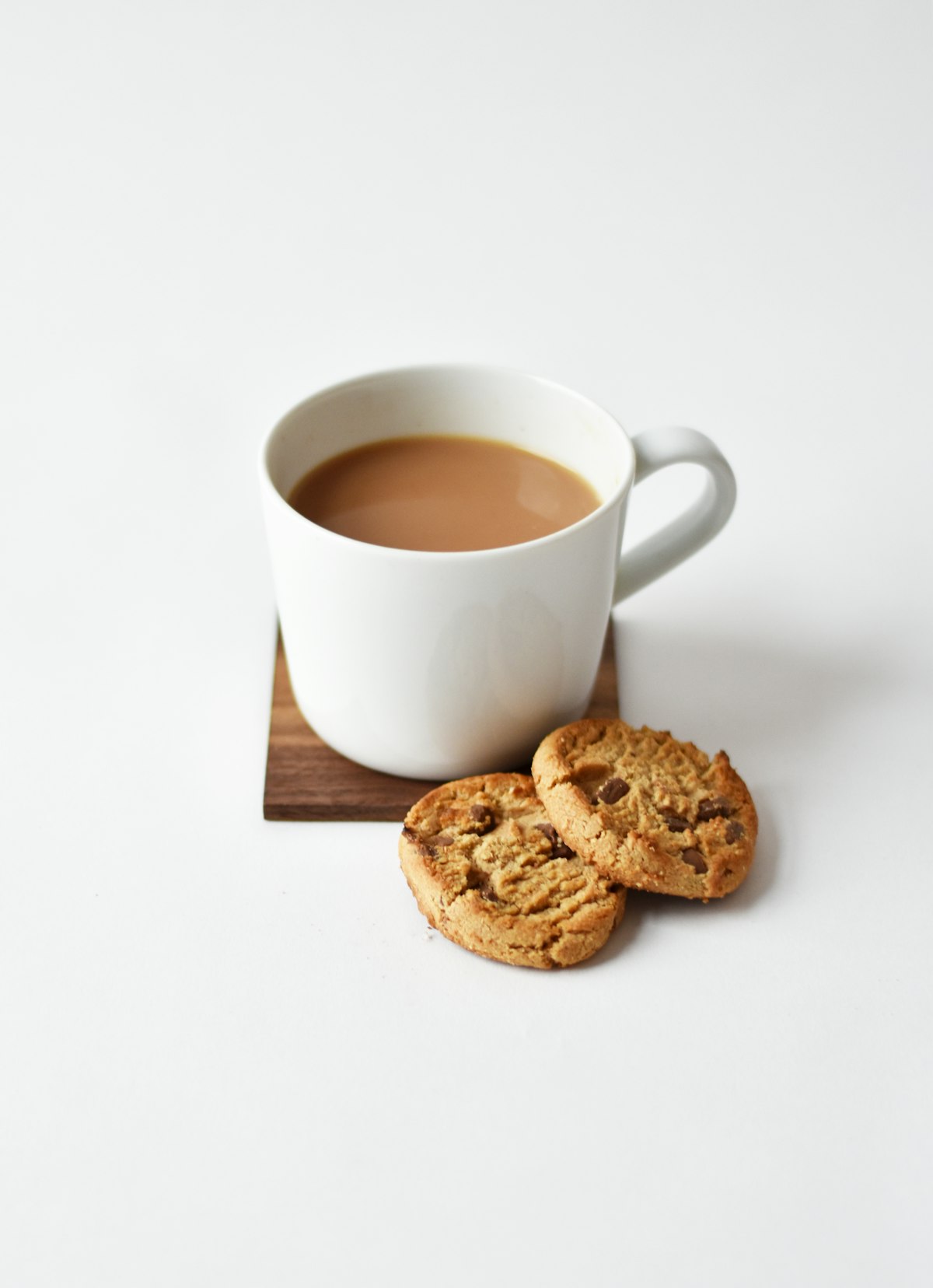
How to Aerate Coffee: Does It Improve Taste?
Key Takeaways
Want the science behind it? See our explainer on what coffee aeration is.
- Aerating coffee means adding air to the brewed liquid, which releases trapped CO2 and softens harsh, bitter notes
- The simplest method is a firm swirl of the cup before you sip - no gadget required
- The double pour (vessel to vessel) works like decanting wine and adds body, but drops temperature fast
- Pour-over already aerates as a side effect; a gooseneck kettle makes the effect stronger and more consistent
- The AeroPress is the gadget that comes up most when people search for a coffee aerator, and it responds well to a swirl after pressing
Suggested reading: Coffee Brewing Temperature Guide · Pour-Over Beginner's Guide · Coffee Grind Size Guide
What Does Aerating Coffee Actually Mean?
Aeration is the process of adding air to a liquid. When you swirl a glass of red wine before you taste it, you're aerating it. The same idea transfers directly to coffee: you introduce oxygen into the cup, which changes how the drink feels and tastes on the palate.
Aeration is not a new trick. Coffee shops have been swirling cups before serving for years, and competition baristas aerate as part of their routine. But it's only recently started showing up in home brewing discussions, which means most UK coffee drinkers have never tried it and don't know what it does.
The honest headline: aeration won't turn a bad coffee into a great one, but it can round out the edges of a decent brew and make it taste smoother, fuller and less bitter. That's a free upgrade you can do with a spoon or a spare jug.
Why Aeration Changes the Taste
Freshly brewed coffee holds dissolved carbon dioxide and a load of volatile aromatic compounds. Those compounds are what carry the flavour and smell, but they don't all register on your palate at once. Adding air does three useful things:
- It releases trapped CO2. Brewed coffee keeps some of the gas produced during extraction. Swirling or pouring encourages that gas to escape, which clears the way for the aromatics to hit your nose properly.
- It oxidises the bitter edge. Coffee contains chlorogenic acids, and exposure to oxygen softens their harsher notes. This is the same reason a wine's tannins mellow after it breathes.
- It adds perceived body. The fine bubbles suspended in the liquid make the coffee feel heavier and creamier on the tongue, even though nothing has actually been added to it.
The result is a cup that tastes rounder and smoother, with bitterness pushed into the background. It's a subtle change rather than a dramatic one, but for filter coffee and French press it's often the difference between "fine" and "actually nice".
Method 1: The Swirl (Zero Cost, Instant Result)
This is the fastest way to aerate coffee, and it works with any brew method. Pour your coffee, give the cup a firm circular swirl for four or five seconds, then taste it. You'll see fine bubbles form on the surface as the air works in.
Swirling works best in a wide cup where the liquid has room to move. A narrow mug limits the effect because the coffee can't develop much surface area. If you drink filter coffee from a deep mug, transfer it to a wider cup first, then swirl.
One thing to watch: swirling splashes. Do it gently until you find the speed that creates bubbles without throwing coffee over the rim. Your worktop will thank you for the extra care.
Method 2: The Double Pour (Decanting Coffee Like Wine)
The double pour is exactly what it sounds like: pour the brewed coffee from one vessel into another, then back again, once. Each transfer drags air through the liquid and does in two seconds what a swirl does in five.
This is the technique people mean when they talk about "decanting" coffee. It's popular with French press drinkers because a cafetiere tends to hold onto CO2, and the pour gives the coffee a chance to breathe before it reaches the cup.
The main trade-off is temperature. Every transfer drops the coffee by a few degrees, so do it just before you're ready to drink rather than leaving the coffee sitting in a second jug. A Hario V60 drip decanter is ideal for this because it's designed to be poured from, but any clean glass jug works fine.
Method 3: Pour-Over Already Does It (Make It Stronger)
Most pour-over drinkers don't realise their brew method is already aerating the coffee. A thin stream of water from a gooseneck kettle stirs air into the slurry with every pour, which is part of why pour-over tastes cleaner and brighter than immersion methods.
You can lean into the effect deliberately. Pour in a slightly higher arc than usual, so the stream falls further and picks up more air. Keep the flow steady and the circle tight. You're not trying to splash the grounds around the brewer; you're just giving the water more distance to travel.
A Fellow Stagg EKG gooseneck kettle makes this easy because the narrow spout gives you precise control over both flow rate and pour height. If you don't own one yet, a regular kettle with a steady hand gets you most of the way there. Pair it with a coffee scale with a timer and you can keep your pours consistent from cup to cup.
Method 4: The AeroPress Swirl (The Search-Favourite)
Search for "coffee aerator" on Amazon UK and the AeroPress Original is what comes up first. That's no accident: the AeroPress is one of the most aerating brewers you can buy, because the press forces air through the coffee as it extracts, and the short brew time keeps the result clean.
You can push the effect further with the swirl-after-press trick. Once you've pressed the AeroPress into your cup, give it the same firm swirl you'd give any other coffee, wait a few seconds for the bubbles to settle, then drink. The combination of the press's natural aeration and the swirl produces a noticeably smoother, rounder cup than the same recipe pressed without the swirl.
For the full recipe breakdown, our AeroPress brewing guide covers grind sizes, steep times and the exact steps for a consistent brew.
When Aeration Helps and When to Skip It
Aeration is not a universal upgrade. It helps some brews and harms others:
- Helps: filter coffee, French press, moka pot and any coffee that tastes sharp or bitter. Fresh beans benefit most, because they hold more CO2.
- Skip it with espresso. You want the crema intact, and aggressive swirling breaks up the foam that carries the flavour. Let espresso breathe in the cup on its own.
- Skip it with cold brew. It's already smooth and low in acidity, so aeration adds nothing and just warms the drink up.
- Skip it with very dark roasts. They're already flat, and adding air to a one-note coffee just makes it more of the same.
If your coffee tastes bitter, aeration is worth trying before you change your grind or water temperature. It's a zero-cost experiment that takes seconds, and it tells you whether the problem is extraction or simply a lack of air.
What Aeration Won't Fix
Keep your expectations honest. Aeration cannot rescue stale beans, an over-extracted brew or water that tastes off. If the coffee is bitter because it was ground too fine and brewed for too long, swirling the cup is not going to undo that.
It also won't make a cheap, one-dimensional coffee taste expensive. What it does is take the edge off a decent brew and let the flavours you've already extracted show up more clearly. Think of it as presentation rather than transformation.
If you want the base coffee to be as good as it can be, start with fresh beans ground just before brewing. A Timemore Chestnut C2 hand grinder is the cheapest serious upgrade for most UK kitchens, and bags like Union Original Blend or Coffee Masters Colombian Organic give you a solid base to work with.
Products Mentioned in This Guide
- AeroPress Original Coffee Maker - the brew method that aerates as it presses, under £35 on Amazon UK
- Fellow Stagg EKG Gooseneck Kettle - variable temperature control for a steady, aerating pour
- Hario V60 Drip Decanter - the perfect vessel for the double-pour method
- Coffee Scale with Timer - keep your pours consistent and repeatable
- Timemore Chestnut C2 Hand Grinder - fresh grounds make aeration's effect far more noticeable
- Union Original Blend Beans - fresh, well-balanced filter coffee beans
Frequently Asked Questions
Final Verdict
Aerating coffee is one of those techniques that sounds like barista theatre until you actually try it. Swirl your next cup of filter coffee, taste it, and then swirl a second cup and compare. The difference in smoothness and body is real, and it costs nothing.
Start with the swirl, add the double pour once you're comfortable with the temperature drop, and if you brew pour-over, pay attention to how your pour height already affects the cup. The AeroPress remains the best cheap way to experience heavy aeration, and a gooseneck kettle takes the whole routine to another level.
It's not a magic wand, but it's the cheapest taste upgrade in coffee. Try it tomorrow morning and see what you think.
Sam Roberts writes about coffee machines, beans and brewing gear for Coffee Nerds.
As an Amazon Associate we earn from qualifying purchases.
Last reviewed: August 1, 2026 · Evidence-based content · Contains affiliate links