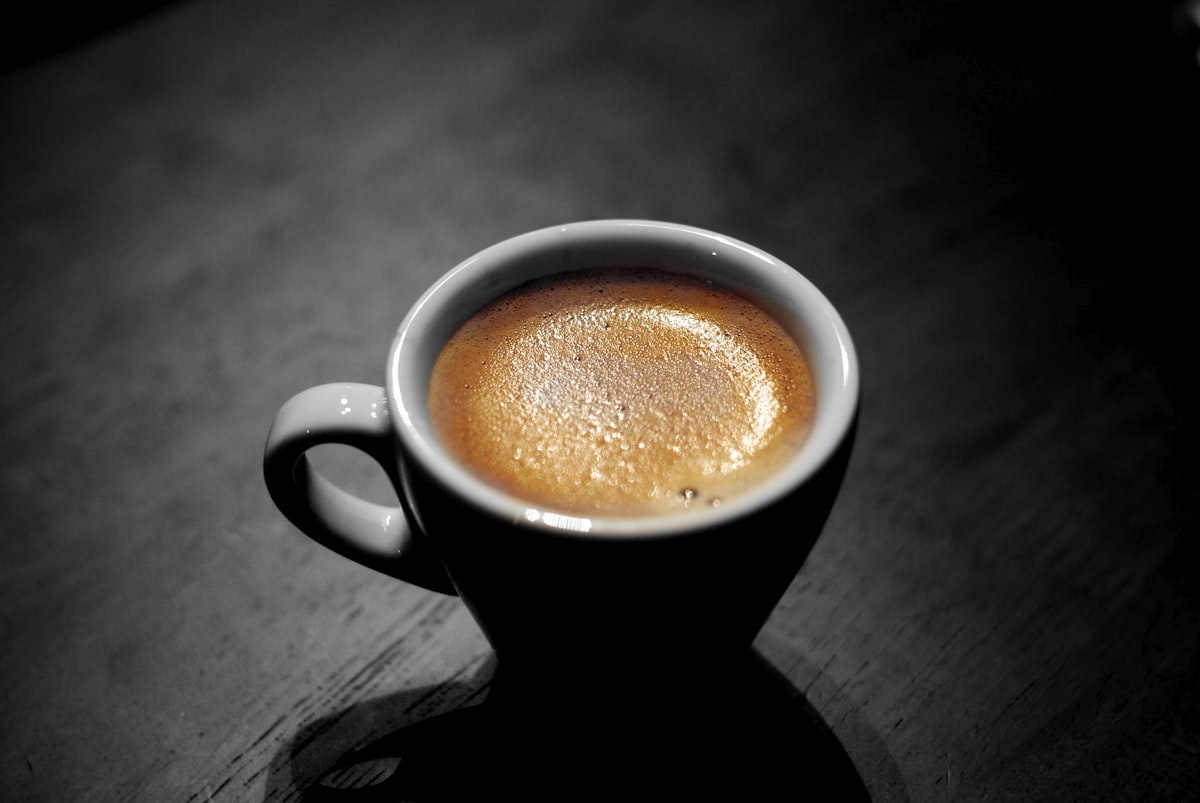
Coffee Brewing Temperatures Guide - Heat for Every Method UK
Key Takeaways
- The ideal brewing temperature for most filter coffee methods is 92-96°C
- Dark roasts need cooler water (85-90°C) than light roasts (93-98°C)
- A variable-temperature kettle like the Fellow Stagg EKG takes the guesswork out of brewing
- Espresso brews at 90-96°C but at 9 bars of pressure - temperature still matters
- Cold brew is the exception - steep at room temperature for 12-24 hours
Suggested reading: Coffee Brewing Ratios Guide · Coffee Grind Size Guide · Best Brewing Methods for Beginners
Why Water Temperature Matters
Temperature controls how fast compounds extract from coffee grounds. Hot water pulls everything out too fast - you get bitter, over-extracted flavours. Cool water moves too slowly - you get sour, under-extracted coffee that tastes weak and thin.
The sweet spot for most methods sits between 92°C and 96°C - but the exact number depends on your roast level, brew method, and personal taste. Get it right and you find flavours you did not know were in your beans.
If you are using a machine with a built-in boiler (bean-to-cup or espresso), you have less direct control, but understanding the principles helps you dial in better shots. For manual methods like pour-over and Aeropress, a good gooseneck kettle with temperature control - like the Fellow Stagg EKG - is the single best upgrade you can make.
Ideal Temperatures by Brew Method
Here's the quick reference. Bookmark this section.
| Method | Ideal Temp | Gear Needed | Tip |
|---|---|---|---|
| Pour-Over (V60) | 92-96°C | Gooseneck kettle + V60 | Start at 93°C for medium roasts |
| French Press | 93-96°C | French press + kettle | Drop to 92°C for dark roasts |
| Aeropress | 80-90°C | Aeropress + kettle | Lower temps = longer steep, cleaner cup |
| Espresso | 90-96°C | Espresso machine | Group head temp ≠ boiler temp |
| Moka Pot | ~100°C (steam) | Moka pot + hob | Use pre-heated water, not cold |
| Cold Brew | Room temp / fridge | Cold brew maker or jar | Steep 12-24 hours, then filter |
| Bean-to-Cup | Machine-controlled | Bean-to-cup machine | Check manufacturer's spec |
Pour-Over (V60 and friends)
Pour-over is where temperature matters most because you have full control. The standard range is 92-96°C. Start at 93°C for a medium-roast coffee and adjust from there. Too bitter? Drop 2°C. Too sour? Go up 2°C.
The Fellow Stagg EKG is the gold standard here - it holds your target temperature within 1°C and the precision gooseneck spout gives you perfect flow control. Pair it with a Hario V60 Drip Decanter and a coffee scale with timer and you've got a setup that can rival any coffee shop.
For more on pour-over gear, read our best pour-over coffee makers UK guide.
French Press / Cafetiere
French press brewing calls for water at 93-96°C. Because the metal mesh filter lets more oils through (which is what gives French press its signature body), you actually want slightly hotter water to ensure proper extraction through the coarser grind.
The Bodum Chambord 12 Cup is a classic for good reason - the glass carafe lets you watch the brew, and the plunger mechanism is built to last. For something more durable, the ESPRO P7 French Press uses a double-filter micro-mesh system that delivers a cleaner cup while keeping the body French press drinkers love.
For a full roundup, check out our best cafetiere and French press guide UK.
Aeropress
The Aeropress is unique because it benefits from cooler water - typically 80-90°C. The short brew time (30-90 seconds) and pressure extraction mean you don't need boiling water to get good results. In fact, many award-winning Aeropress recipes use water as cool as 80°C.
Lower temperatures give you a cleaner, sweeter cup with less bitterness. Start at 85°C and adjust. The AeroPress Original Coffee Maker costs under £35 and delivers more flavour per pound than anything else at that price. Read our full Aeropress brewing guide for recipes and techniques.
Espresso
Espresso machines typically brew at 90-96°C, but the actual water temperature hitting the coffee puck is affected by the group head temperature, portafilter temperature, and even the room temperature. Most home machines hide this complexity - you adjust taste by changing your grind size and dose rather than the temperature.
That said, knowing your machine's temperature characteristics helps. Machines like the Philips 5400 Series and Philips 3300 Series LatteGo maintain consistent brew temperatures across multiple shots, which is more important than absolute temperature accuracy.
For a deep dive into espresso machines, see our best bean-to-cup coffee machines UK guide and best espresso machines under £300.
How Roast Level Changes Your Brew Temperature
This is one of the most overlooked factors. Different roast levels need different water temperatures because the bean structure changes during roasting:
- Light roasts - denser beans, harder to extract. Use hotter water (93-98°C) to get the flavour out.
- Medium roasts - the sweet spot. Use 92-95°C. Most specialty coffee is roasted to this level.
- Dark roasts - more porous, easier to over-extract. Use cooler water (85-90°C) to avoid bitterness.
This is why you might love a particular coffee bean at 93°C but find the same bean bitter at 96°C. It's not the coffee - it's the temperature. Experiment with 2°C increments to find your sweet spot for each bag of beans.
For more on choosing beans, see our single origin vs blends guide and coffee roasts explained.
Getting Started with Temperature Control
You don't need expensive gear to control brew temperature. Here's a practical progression:
- Boil and wait - boil your kettle, then let it sit for 30-60 seconds before pouring. That drops the water from 100°C to roughly 95-96°C.
- Use a thermometer - a simple kitchen probe thermometer costs about a fiver and tells you exactly what temperature your water is.
- Variable-temperature kettle - the Fellow Stagg EKG or similar lets you set and hold any temperature. Worth every penny if you brew pour-over daily.
- Pair with a good grinder - temperature control only gets you so far without consistent grind size. The Timemore Chestnut C2 Manual Grinder is an excellent entry point for around £77.
We also recommend a coffee scale with timer so you can track both water temperature AND brew time - two variables that work together to determine your final cup quality.
Check out our best coffee grinders UK guide for recommendations across every budget.
Common Temperature Mistakes
Mistake 1: Using boiling water for everything
Straight-off-the-boil water at 100°C scorches coffee grounds, especially with dark roasts and Aeropress. Unless you're making a Moka Pot (which needs steam pressure), let the kettle cool for 30-60 seconds after boiling.
Mistake 2: Not pre-heating your vessel
Pouring 93°C water into a cold ceramic pour-over cone drops the slurry temperature by 5-8°C instantly. Rinse your filter and pre-heat your brewer with hot water before you start. This is why the Hario V60's heat-retaining ceramic version is popular - it holds temperature better than plastic or glass.
Mistake 3: Ignoring brew temperature on cold mornings
If your kitchen is 15°C in winter and 22°C in summer, your brew temperature changes. The same recipe that worked in August might taste under-extracted in January. Adjust your kettle temperature up by 1-2°C in cold weather.
Mistake 4: Not calibrating your gear
Built-in kettle thermometers drift over time. Check yours against a probe thermometer every few months. The £499.00 you spend on a probe could save you weeks of bad coffee.
When Temperature Matters Less
Some methods are more forgiving than others:
- Cold brew - steeping at room temperature or in the fridge means temperature is basically irrelevant. The long steep time (12-24 hours) does the work. Try the Hario Mizudashi Cold Brew Pot for easy cold brewing at home.
- Pod machines - Nespresso and similar pods are designed to work with the machine's fixed temperature. Don't overthink it.
- Bean-to-cup machines - the machine manages brewing temperature automatically. Focus on bean quality and grind settings instead. Our Philips 5500 Series guide covers how different machines handle temperature control.
Frequently Asked Questions
Final Verdict
Water temperature is one of the three variables that control your coffee quality - alongside grind size and brew ratio. Master it and you'll consistently make better coffee, regardless of your equipment.
The quickest upgrade? A variable-temperature gooseneck kettle. The cheapest? A simple kitchen thermometer and 30 seconds of patience after the kettle boils.
Remember: light roasts need hotter water, dark roasts need cooler water, and the Aeropress likes it cooler than you think. Everything else lives in the 92-96°C range.
Start with the temperature guide above, dial in by taste, and don't be afraid to experiment in 2°C increments. Your taste buds will tell you when you've found the sweet spot.

Sam Roberts writes about coffee machines, beans and brewing gear for Coffee Nerds.
As an Amazon Associate we earn from qualifying purchases.
Last reviewed: July 29, 2026 · Evidence-based content · Contains affiliate links