What Is Coffee Bloom?
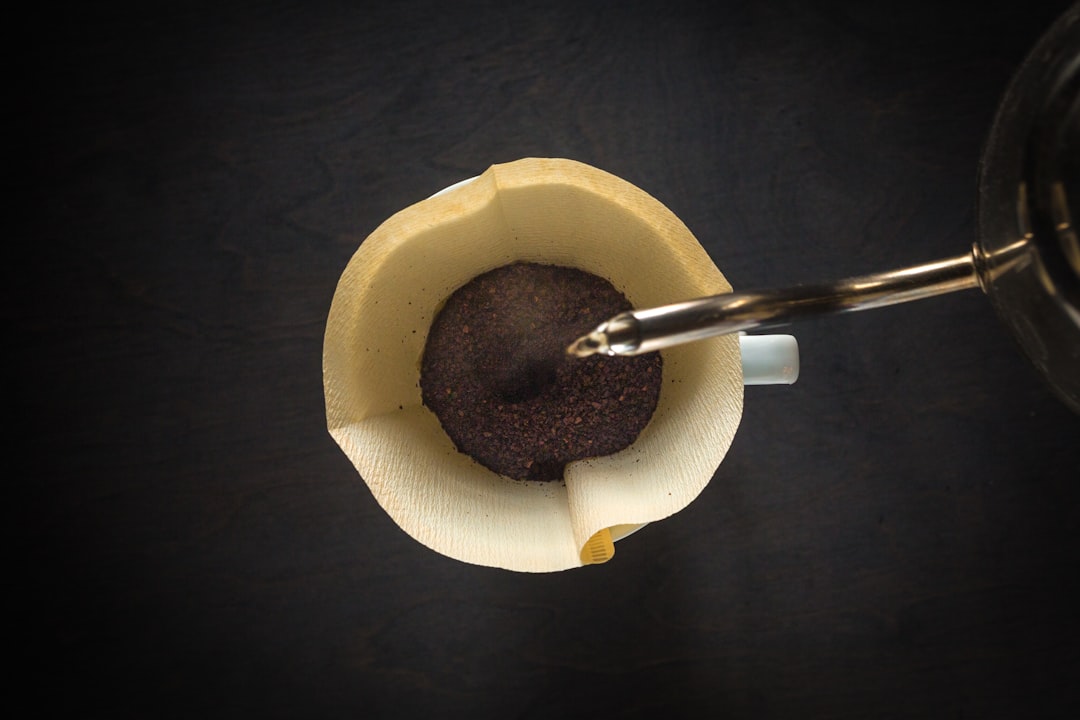
Coffee bloom is the foamy, bubbling rise that happens when hot water first touches freshly ground coffee. It looks like the grounds are alive, swelling up and releasing tiny bubbles of gas. That gas is carbon dioxide (CO2), trapped inside the bean during roasting. When you add water, the CO2 escapes rapidly, pushing water away from the grounds and creating that characteristic fizz.
The bloom matters because CO2 is hydrophobic, meaning it repels water. If you try to brew without letting the gas escape first, the CO2 pushes water away from the grounds unevenly. Some particles get over-extracted and taste bitter, others stay dry and taste sour. A proper bloom gives CO2 a chance to release before the main pour, so water can contact all the grounds evenly.
5 Quick Facts About Coffee Bloom
1. Freshness drives the bloom. The fresher the roast, the bigger the bloom. Beans roasted within the last 2-4 weeks still contain significant CO2, which releases quickly when wet. Pre-ground coffee from the supermarket has usually degassed during packaging and shipping, so the bloom is weak or invisible. If your coffee barely blooms, it is a strong signal the beans are stale. A freshly roasted bag of whole beans will produce a noticeably more dramatic bloom than anything that has been sitting on a shelf for months.
2. The standard bloom ratio is 2:1. Use roughly twice the weight of water compared to your coffee dose. For a typical 18g espresso dose, pour about 36g of water. For a pour-over with 20g of coffee, use 40g. The goal is to wet all the grounds evenly without flooding them. A gooseneck kettle makes this much easier because the narrow spout gives you precise control over where the water lands.
3. Wait 30-45 seconds. After the initial pour, let the grounds sit for half a minute to a minute. You will see the bubbling slow down as CO2 escapes. Once the fizz settles, continue with your main pour. For espresso, the bloom happens during the pre-infusion phase, which typically lasts 2-5 seconds at low pressure before full extraction kicks in. You do not need to manually wait for espresso, but the concept is the same.
4. A big bloom is not always better. A dramatic bloom means lots of CO2, which usually means very fresh beans. But beans roasted less than a week ago can taste slightly gassy and sharp. The sweet spot for most brewing methods is beans roasted 7-21 days before use. They still bloom well, but the CO2 has mellowed enough for the flavours to come through cleanly. An Amazon reviewer of the Quarter Horse Dark Horse Espresso noted that letting the beans rest 10 days after roast produced the best flavour in their morning espresso.
5. Temperature affects bloom speed. Hotter water (92-96C) causes CO2 to release faster, producing a quicker, more vigorous bloom. Cooler water (below 90C) slows the process, which can be useful if you want more control over the pour. A temperature-controlled gooseneck kettle lets you dial in the exact temperature for your preferred brewing method.
How to Get a Better Bloom
If your coffee is not blooming well, the fix is usually one of these three things:
Fresher beans. Buy whole beans with a roast date on the bag, not a best-before date. Aim for beans roasted within the last 2-4 weeks. Store them in an airtight container away from light and heat, and only grind immediately before brewing. An airtight vacuum canister preserves freshness much better than leaving beans in the original bag.
Right grind size. Too coarse and water flows through too fast, not extracting enough CO2. Too fine and the grounds compact, trapping gas underneath. For pour-over, a medium grind (like coarse sand) gives the best bloom. For French press, slightly coarser works. For espresso, fine grinding with proper tamping creates the pressure that forces CO2 out during pre-infusion.
Even saturation. Pour water in a slow, circular pattern starting from the centre and spiralling outward. This wets all the grounds evenly. A gooseneck kettle is the best tool for this because it gives you a thin, controlled stream. A standard kettle dumps too much water too fast, creating dry pockets.
Does Bloom Affect Taste?
Yes, but indirectly. The bloom itself does not add flavour. What it does is set up the conditions for even extraction. When CO2 is released before the main pour, water can contact all the coffee particles uniformly. This means consistent extraction across the entire bed of grounds, which translates to a smoother, more balanced cup. Skipping the bloom does not ruin your coffee, but it makes uneven extraction more likely, especially with fresh beans. If you are brewing with a bean-to-cup machine, the bloom happens automatically during pre-infusion, so you do not need to worry about it.
Quick Bloom Cheat Sheet
| Brewing Method | Bloom Time | Water Temp | Water Ratio |
|---|---|---|---|
| Pour-over (V60, Chemex) | 30-45 seconds | 92-96C | 2x coffee weight |
| French press | 30 seconds | 93-96C | 2x coffee weight |
| AeroPress | 15-30 seconds | 80-96C | 2x coffee weight |
| Espresso | 2-5 seconds (pre-infusion) | 92-96C | Built into machine |
Products Mentioned in This Guide
- Fellow Stagg EKG Pro Electric Gooseneck Kettle - precise temperature control for consistent blooms
- TIMEMORE Electric Gooseneck Kettle - budget-friendly option with steady pour control
- Coffee Masters Brazil Carbon Conscious Beans - freshly roasted whole beans with clear roast dates
- Quarter Horse Dark Horse Espresso Beans - dark roast with strong bloom potential
- Philips 5400 Series Bean-to-Cup Machine - automatic pre-infusion handles blooming for you
The Bottom Line
Coffee bloom is not some barista trick reserved for fancy cafés. It is a simple, visual indicator of bean freshness and a key step that improves extraction consistency. If your coffee blooms well, your beans are fresh and your technique is solid. If it does not bloom, the beans are probably past their prime. The easiest upgrade for better blooms is buying freshly roasted whole beans and grinding them right before you brew. Everything else, from gooseneck kettles to temperature control, just makes the process more repeatable.