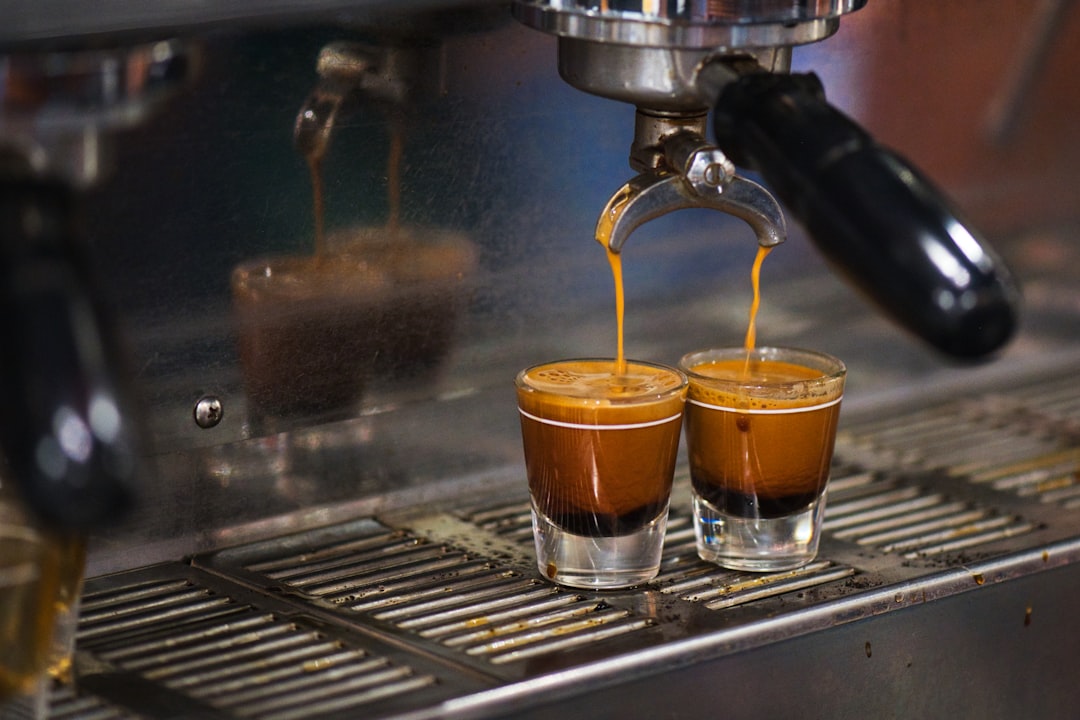
How to Pull the Perfect Espresso Shot at Home - A UK Guide
- A consistent grind from a quality burr grinder like the Baratza Encore ESP is the single most important factor for great espresso.
- Use a 1:2 ratio - 18g of coffee to 36g of liquid espresso, pulled in 25-30 seconds - as your starting benchmark.
- An even tamp with consistent pressure (around 10-15kg) matters more than tamping as hard as you can.
- A coffee scale with a timer is essential for dialling in - you cannot eyeball a 36g yield.
- Sour means under-extracted (grind finer), bitter means over-extracted (grind coarser). Adjust one variable at a time.
Suggested Reading: Coffee Grind Size Guide · Best Espresso Machines Under £300 UK 2026
There's a moment every home coffee lover remembers - the first time you pull a shot with proper crema, the kind that sits thick on top like caramel, and you take that first sip and think "okay, that's actually as good as my local cafe." That moment is closer than you think. You don't need a £2,000 machine or a barista diploma. You just need to understand a few basics and follow a consistent process.
In this guide I'll walk you through exactly how to dial in your espresso setup, from grind size to tamp pressure, dose to extraction time. Whether you use a bean-to-cup machine like the Philips 3300 LatteGo or a manual espresso maker, the same principles apply. Let's get into it.
What You Need for Great Espresso at Home
Before you start pulling shots, make sure you have the basics covered. The espresso setup that produces cafe-quality results is simpler than most people think:
- A decent burr grinder - This is not optional. Blade grinders produce uneven particles that make dialling in impossible. The Baratza Encore ESP is the go-to entry-level espresso grinder for home use, with 40mm steel burrs and 40 grind settings. If you prefer manual, the Timemore Chestnut C2 is a budget-friendly option that punches well above its weight.
- Fresh coffee beans - Espresso amplifies everything, including staleness. Look for beans roasted within the last 2-4 weeks. Good UK roasters like Union Original Blend or Coffee Masters Colombian Organic work brilliantly for espresso.
- A scale with a timer - The Coffee Scale with Timer lets you measure your dose in and your yield out. Guessing by eye will give you wildly inconsistent results.
- A distribution tool or WDT - A WDT coffee distributor tool breaks up clumps and evens out the coffee bed before tamping. It's cheap and makes a massive difference to extraction consistency.
- A tamper that fits your basket - Most machines come with a cheap plastic tamper that's slightly too small. A proper 58mm or 51mm tamper (matching your portafilter) gives you a level, even tamp every time.
Step 1: Get Your Grind Size Right
Espresso needs a fine grind - think caster sugar texture, not coarse like sea salt. The exact setting depends on your grinder, your beans, and even the humidity in your kitchen. That's why dialling in is a process, not a one-time setting.
Start with a dose of 18g of coffee in your portafilter basket. If your basket is smaller, 16g or even 14g works - just keep it consistent. Tare your scale, grind into the basket, and weigh again. You want the same dose every time so you're only changing one variable (the grind) when you adjust.
Lock the portafilter in, place your cup on the scale, and start the shot. You're aiming for 36g of liquid in 25-30 seconds. If it hits 36g in 18 seconds, the grind is too coarse - go finer. If it's still dripping at 40 seconds and you've only got 20g, the grind is too fine - go coarser.
Step 2: Distribute Your Coffee Evenly
One of the most overlooked steps in home espresso is distribution. If your coffee bed is uneven - higher on one side, lower on the other - water will channel through the thinner part and under-extract the thicker part. You get sour and bitter in the same shot.
After grinding, give the portafilter a gentle sideways tap to settle the grounds, then use a WDT tool to break up any clumps and rake the bed level. This takes about 10 seconds and is the biggest bang-for-buck upgrade you can make to your espresso workflow. If you don't have one, a paperclip bent into a rake shape works surprisingly well.
Step 3: Tamp With Consistency, Not Brute Force
There's a myth that you need to tamp with 30kg of pressure to get good espresso. The truth is gentler: aim for around 10-15kg, which is roughly the weight of your forearm pushing down naturally. The key is doing it the same way every time.
Keep your tamper straight - an angled tamp is the most common cause of channeling in home espresso. Your tamper should sit flush with the basket rim. Press down firmly, then give a slight twist as you release to polish the surface. If your tamp is uneven, the water finds the path of least resistance and you get a lopsided extraction.
Most stock tampers are too small for the basket, leaving a gap around the edge that causes side-channeling. A precision tamper that matches your basket diameter is worth the upgrade.
Step 4: Time Your Shot and Watch the Flow
Once you start the extraction, watch the stream. A great espresso pour starts with a few dark drops, then settles into a steady, continuous flow that resembles warm honey. It should be even across the entire basket surface - if it's only coming from one side, you have a distribution or tamp problem.
The colour should start dark brown and gradually lighten to a golden tan. When it starts to blonde (turn pale yellow), the shot is done. For a standard espresso, you're looking for 36g of liquid in 25-30 seconds from a 18g dose. The 1:2 ratio (coffee in : espresso out) is the standard starting point used by specialty coffee shops worldwide.
Use your coffee scale with timer on the drip tray to track both time and weight. Many home barista scales sit low enough to fit under the portafilter with a small cup - check the clearance on your machine before buying.
Step 5: Dial In by Taste
Numbers are a starting point, but your tongue is the final judge. Here's what different flavours tell you:
- Sour, sharp, or lemony - Under-extracted. The water didn't spend enough time with the coffee. Grind finer or increase your dose slightly.
- Bitter, ashy, or hollow - Over-extracted. The water pulled too much out. Grind coarser or reduce your dose slightly.
- Salty or drying - Channeling. The water found a path through the bed. Focus on distribution and tamp evenness.
- Smooth, sweet, with a lingering finish - You've nailed it. That's a properly dialled-in espresso.
Change only one variable at a time. If you adjust the grind AND the dose AND the tamp, you won't know what fixed it (or broke it). The standard workflow is: set dose (18g) → adjust grind → check time/yield → taste → adjust grind again. Repeat until it tastes right.
Common Espresso Problems and How to Fix Them
| Problem | Likely Cause | Fix |
|---|---|---|
| Shot runs too fast (under 20s) | Grind too coarse | Go 2-3 numbers finer on your grinder |
| Shot drips slowly (over 40s) | Grind too fine or over-dosed | Go coarser or reduce dose by 1g |
| No crema or thin crema | Stale beans or wrong grind | Use fresher beans, check roast date |
| Espresso sprays everywhere | Severe channeling | Fix distribution, check tamp level |
| Inconsistent shot to shot | Varying dose or tamp | Weigh every dose, use consistent tamp |
Espresso on a Bean-to-Cup Machine
If you use a bean-to-cup machine like the Philips 5400 Series or Philips 5500 Series, you have less manual control over grind and tamp, but you can still dial in the quality. Most bean-to-cup machines have an adjustable grind setting (usually a dial inside the bean hopper).
Start in the middle and adjust based on taste - finer for more body, coarser for faster flow. Use fresh beans and keep your machine clean. A machine that hasn't been descaled in months will ruin even the best beans, so check out our coffee machine cleaning guide for the full routine.
The advantage of bean-to-cup machines is consistency - once you find the right grind setting and bean, every shot is the same. The trade-off is you can't fine-tune dose and tamp like you can with a manual setup. For most UK households, that trade-off is absolutely worth it for the convenience of fresh-ground espresso at the push of a button. Read our best bean-to-cup coffee machines guide for our top picks.
Products Mentioned in This Guide
- Baratza Encore ESP Coffee Grinder - the best entry-level espresso grinder for UK home baristas
- Timemore Chestnut C2 Manual Grinder - budget-friendly manual option with consistent burrs
- Coffee Scale with Timer - essential for measuring dose and yield accurately
- WDT Coffee Distribution Tool - eliminates clumps for even extraction
- Philips 5400 Series EP5446/70 - our top-rated bean-to-cup machine for espresso
- Philips 3300 Series EP3347/90 LatteGo - great value bean-to-cup with automatic milk frothing
- Union Original Blend Coffee Beans 1kg - reliable espresso blend available across the UK
- Coffee Masters Colombian Organic 1kg - single-origin beans that work beautifully for espresso
Frequently Asked Questions
Final Verdict
Pulling a great espresso shot at home comes down to three things: fresh beans, a consistent grind, and a repeatable process. You don't need professional equipment or years of practice. You need a decent burr grinder, a scale with a timer, and the willingness to adjust one variable at a time until your shots taste right.
If you're using a bean-to-cup machine, the Philips 5400 Series offers the best balance of automation and quality for UK homes. If you prefer full manual control, pair the Timemore C2 grinder with a simple espresso machine and practice your distribution technique. Either way, the journey from bitter mess to silky smooth espresso is shorter than you think - and it tastes better with every small improvement you make.
Start with fresh beans, stick to the 1:2 ratio, and trust your tastebuds over the timer. You'll be pulling shots your local barista would approve of before you know it.

Sam Roberts writes about coffee machines, beans and brewing gear for Coffee Nerds.
As an Amazon Associate we earn from qualifying purchases.
Last reviewed: July 29, 2026 · Evidence-based content · Contains affiliate links