Moka Pot vs Espresso Machine: Which Should You Buy?
Key Takeaways
- Moka Pot - a £25-50 stovetop brewer that makes rich, concentrated coffee with zero electricity. Compact, durable, and genuinely hard to beat on value. Check price on Amazon UK →
- Espresso Machine - £150+ for something worth owning, but it's the only way to get real espresso, crema, and steamed milk for lattes and cappuccinos at home. Check price on Amazon UK →
- Cost - the moka pot is dramatically cheaper to buy and maintain. An espresso machine adds grinder costs, descaling, and more parts that can wear out.
- Milk drinks - the espresso machine wins outright. A moka pot can't steam milk, so your flat white and latte options at home are limited without one.
- Honest verdict - most UK households get more daily use from a moka pot; espresso machines are for people who want the full ritual and don't mind the price.
Suggested Reading: See our full Moka Pot Guide, Best Espresso Machines Under £300, and First Espresso Machine Guide.
If you've been eyeing better coffee at home, you've probably hit this exact fork in the road: a cheap, charming stovetop moka pot, or the real deal espresso machine that takes up half your worktop. It's one of the most common questions we get from UK coffee lovers, and it's a genuinely tough call.
Honestly, they're not competing for the same job. The moka pot is a brilliant, foolproof way to brew strong coffee. An espresso machine is a bigger investment in money, space, and learning, but it opens up the drinks you'd normally queue for at a café. We've compared both extensively across the Coffee Nerds test kitchen, so here's our honest, side-by-side breakdown for UK buyers.
At a Glance
Bialetti Moka Express
De'Longhi Dedica Style
Gaggia Classic Evo Pro
Sage Bambino
Quick Comparison
| Feature | Bialetti Moka Express | De'Longhi Dedica Style | Gaggia Classic Evo Pro | Sage Bambino |
|---|---|---|---|---|
| Price | ~£549.00 | ~£139 | ~£380 | ~£110 |
| Brew Time | 4-5 mins | 30-45 secs | 30-45 secs | 30-45 secs |
| True Espresso | No | Yes | Yes | Yes |
| Milk Steaming | No | Yes (panarello wand) | Yes (pro steam wand) | Yes (auto microfoam) |
| Power Source | Stovetop | Electric | Electric | Electric |
| Learning Curve | Very low | Moderate | Steeper | Low-moderate |
| Maintenance | Rinse + occasional gasket swap | Descale, backflush, clean wand | Descale, backflush, clean wand | Descale, clean wand, filter changes |
| Best For | Strong black coffee on a budget | First espresso machine | Home baristas who want to improve | Quick lattes and cappuccinos |
Moka Pot vs Espresso Machine - The Full Comparison
1. Price and Value
This is where the moka pot runs away with it. A Bialetti Moka Express costs around £25-50 depending on size, and it needs nothing else to start brewing. No electricity, no filters to replace (just a silicone gasket every couple of years), no fancy accessories.
An espresso machine is a different financial animal. The cheapest machines worth buying start around £150-200, and the De'Longhi Dedica Style at roughly £139 is about the sensible entry point. To get proper espresso you'll also want a decent burr grinder (the Timemore Chestnut C2 at £50-90 is our budget pick), which pushes the real entry cost past £250. Add in descaling solution and spare parts and the gap grows.
Winner: Moka pot, by a mile. You can buy ten of them for the price of one budget espresso setup.
2. Ease of Use
The moka pot is famously simple. Fill the base with water, add coffee to the basket, screw it together, put it on the hob, and wait for the gurgle. No timers, no pressure gauges, no temperature surfing. It's forgiving enough that you'll get a great cup on your first attempt, and it's the reason so many Italian households have used the same one for decades.
Espresso machines demand more of you. You're managing grind size, dose, tamp pressure, and shot timing, and small mistakes show up in the cup. Machines like the Sage Bambino smooth things out with smart temperature control and automatic microfoam, but the Gaggia Classic Evo Pro rewards owners who actually learn to dial in a shot. That learning curve is a feature for hobbyists and a barrier for everyone else.
Winner: Moka pot for pure simplicity; espresso machine if you enjoy the craft.
3. Taste and Strength
Here's the honest truth: a moka pot does not make espresso. It makes strong, concentrated coffee at around 1.5 to 2 bar of pressure, versus the 9 bar that espresso machines use. The result is a bold, slightly syrupy brew with a real kick, but it lacks the golden crema and the clarity you get from proper espresso.
That said, plenty of people prefer the moka pot profile. It's intense, chocolatey, and makes an excellent base for a milky drink when you don't have a steamer. An espresso machine produces a cleaner, more nuanced shot with that signature crema, and the difference is obvious when you taste them side by side. For straight espresso or Americanos, the machine wins. For a strong, characterful black coffee, the moka pot holds its own.
Whichever you choose, good beans matter more than the hardware. Our favourites include Lavazza Qualità Oro for a smooth all-rounder and Coffee Masters Colombian for something brighter. See our best espresso beans guide for more picks.
Winner: Espresso machine for true espresso and crema; moka pot for bold, budget-friendly strength.
4. Milk Drinks
This is the single biggest reason people graduate from a moka pot to an espresso machine. You cannot steam milk with a moka pot, full stop. You can heat milk on the hob and froth it with a whisk or a cheap frother, but you'll never get the silky microfoam that makes a flat white or cappuccino taste right.
Every espresso machine on this list includes a steam wand. The Sage Bambino even automates the microfoam so you get café-quality milk texture at the push of a button. The Gaggia Classic Evo Pro gives you a professional-style wand that takes practice but delivers the best results once you've got the hang of it. If your daily order is a latte or cappuccino, this category alone probably decides the argument.
Winner: Espresso machine, without question, if milk drinks are your daily order.
5. Cleaning and Maintenance
The moka pot is nearly maintenance-free. Rinse the parts under hot water after each use, dry them, and swap the silicone gasket and filter plate every year or two. Avoid dishwashers and soap if you can - both can strip the seasoning that builds up over time. Total effort: a minute per brew.
Espresso machines need real care to keep performing. The portafilter and basket need rinsing after every shot, the steam wand needs purging and wiping, and you'll need to backflush regularly and descale every few months, especially in hard-water areas of the UK. The Oust descaler we recommend handles limescale well, but it's an ongoing cost and chore that moka pot owners never think about.
Winner: Moka pot, comfortably. The espresso machine needs real care in comparison.
6. Space and Setup
A moka pot is a small aluminium tower that lives happily in a cupboard or on a shelf. It needs zero counter space, zero plug sockets, and zero warm-up time beyond the kettle or hob. If your kitchen is compact - and let's face it, most UK kitchens are - that's a huge practical advantage.
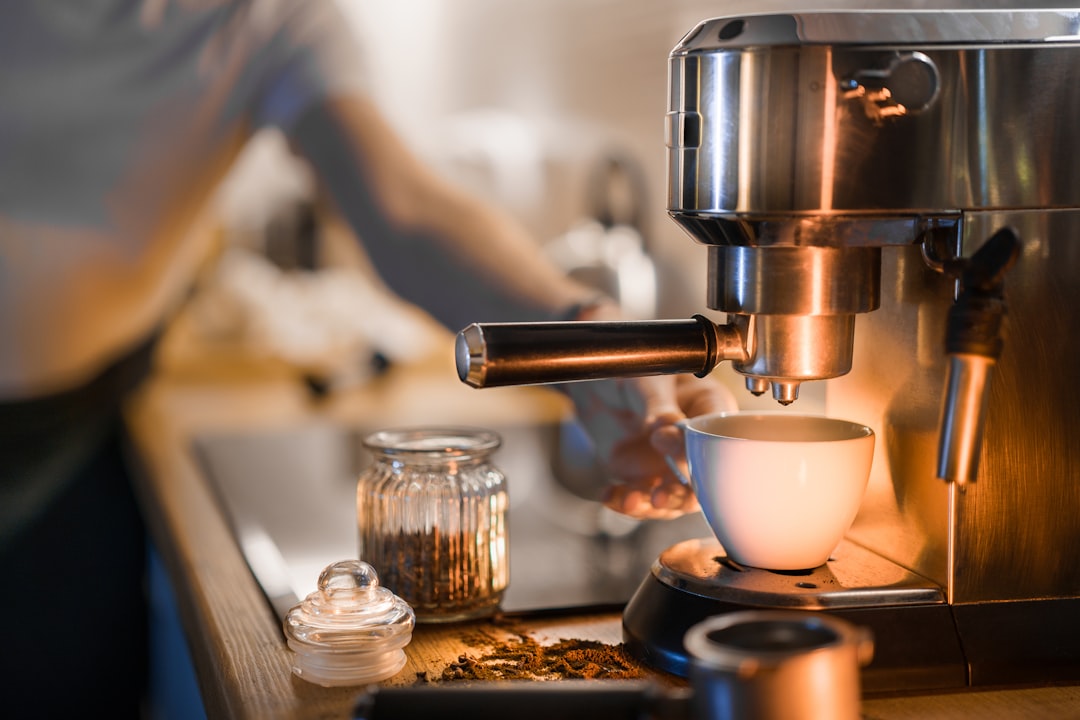
An espresso machine is a permanent countertop resident. The De'Longhi Dedica is one of the slimmest around at 15cm wide, but even it needs space for the machine, a grinder, and somewhere to knock out pucks. Be realistic about whether you have the real estate before you buy.
Winner: Moka pot for small kitchens; espresso machine if you have the space and want the ritual.
Which Should You Choose?
Choose the Moka Pot if…
- You want great strong coffee for under £50
- You mostly drink black coffee or Americano-style drinks
- Your kitchen is short on space or plug sockets
- You want something durable that'll last years with minimal fuss
- You're not ready to learn grinding, tamping, and shot timing
- You travel or camp and want coffee on the go
Choose the Espresso Machine if…
- You drink lattes, cappuccinos, or flat whites every day
- You want real espresso with crema, not strong coffee
- You enjoy learning and perfecting a skill
- You're happy to budget £250+ for a machine and grinder
- You entertain and want to make café-style drinks for guests
- You have the counter space for a permanent setup
Frequently Asked Questions
Final Verdict
If you're honest about how you drink coffee, the answer usually presents itself. Black coffee drinkers on a budget should buy a Bialetti Moka Express today and not look back. It makes excellent strong coffee, costs almost nothing, survives for decades, and takes up a shoebox. It's genuinely one of the best value coffee purchases in the UK.
Milk drinkers, or anyone who wants the full espresso ritual, should save up and get a proper machine. The De'Longhi Dedica Style is our pick for a first machine, the Sage Bambino for easier milk, and the Gaggia Classic Evo Pro for anyone who wants to grow into the hobby.
And here's a thought that surprises a lot of people: you don't have to pick just one. Many of our team run both - a moka pot for quick weekday brews and an espresso machine for weekend flat whites. At £50 for the moka pot, it's the cheapest upgrade to any espresso setup you'll ever make.
Priya Kapoor writes about coffee machines and brewing gear for Coffee Nerds, bringing a methodical, data-driven approach to comparison.
As an Amazon Associate we earn from qualifying purchases.
Last reviewed: July 31, 2026 · Evidence-based content · Contains affiliate links