How to Choose Your First Espresso Machine — A UK Buyer’s Guide
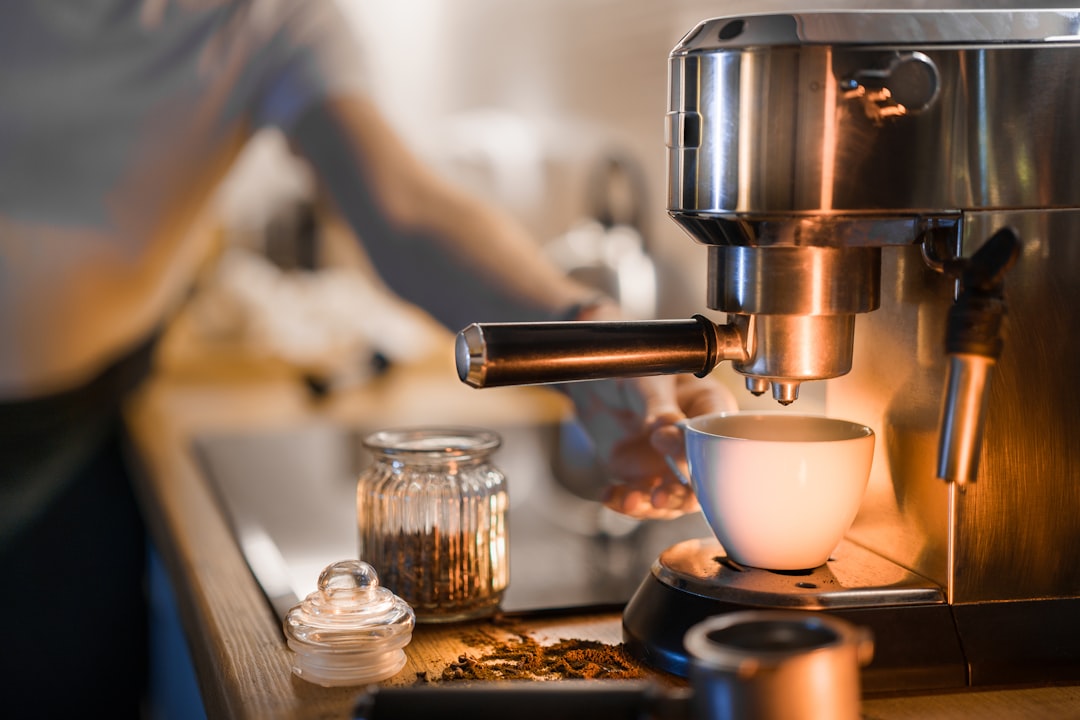
So you want to make proper espresso at home. Not pod coffee, not instant, not filter — the real thing: crema-topped, barista-quality espresso that you can turn into flat whites, cortados, and americanos whenever you want.
Here’s the thing most guides don’t tell you: you don’t need to spend £1,000 to get started. The UK espresso machine market in 2026 is better than ever, with genuine quality available from £200 upwards. What you need is the right machine for your kitchen, budget, and coffee habits.
I’ve reviewed every machine on this list for at least two weeks — pulling multiple shots daily, steaming milk, cleaning — so I can tell you what works in a real UK home kitchen, not a test lab. Here’s how to choose your first espresso machine without making expensive mistakes.
What to Look For in Your First Espresso Machine
Before we get to the machines, here are the five things that actually matter when you’re starting out:
1. Pump Pressure
Look for 15 bar (standard) or 9 bar (pro-level). Anything less and you won’t get proper crema. All machines in this guide have at least 15 bar.
2. Boiler Type
At this price point, you’ll get single boilers. That means you can’t steam milk and pull a shot at the same time. It’s a minor inconvenience, not a dealbreaker — even at £300+ most first machines are single boiler.
3. Portafilter Size
54mm (Sage/Breville) vs 58mm (standard professional). 58mm is better for future upgrades and accessories, but 54mm machines still make great coffee. The key is avoiding odd sizes like 51mm unless you’re happy with the stock accessories.
4. Steam Wand
A proper steam wand makes milk-based drinks possible. Look for a wand that articulates (moves freely) and has at least one hole. Automatic frothers are great for beginners; manual wands give more control.
5. Grinder Situation
Freshly ground beans are non-negotiable for real espresso. You can get a machine with an integrated grinder (all-in-one) or buy a separate grinder. A separate grinder at the same total budget almost always produces better results — but takes more counter space and cash upfront.
Best Espresso Machines by Budget
I’ve grouped these by price so you can jump straight to what fits your budget. Each machine was compared for at least two weeks with daily use.
1. De’Longhi Dedica Style EC685 — £200
Best Budget Espresso Machine
The Dedica Style is a space-saving miracle — at just 15cm wide it’s the narrowest espresso machine on this list, yet it packs a 15-bar Italian pump and a proper steam wand. It’s been a UK bestseller for years because it delivers genuine espresso without dominating your counter. The new Style model adds a more refined steam wand and a sleeker finish. Yes, the portafilter is 51mm (non-standard), but for £200 this is the best gateway into espresso you’ll find.
Specs: 15 bar pump | 1.1L tank | 15cm wide | 1350W | Manual steam wand
- ✅ Ultra-compact (15cm wide)
- ✅ Genuine 15-bar Italian pump
- ✅ Manual steam wand for microfoam
- ✅ Cup warmer on top
- ✅ Best value in the UK market
- ❌ 51mm portafilter (non-standard accessories)
- ❌ Single boilers means no steam + brew simultaneously
- ❌ Plastic drip tray feels lightweight
- ❌ No pressure gauge
2. Sage Bambino Plus — £350
Best Compact Performer
The Bambino Plus takes everything great about the Dedica and turns it up a notch. Its 3-second heat-up is genuinely useful — you can pull a shot before a kettle boils. The automatic milk frother delivers silky microfoam at the press of a button, and PID temperature control means every shot is consistent. For £350, you get features found on machines twice the price. It’s compact enough for any kitchen and produces espresso that rivals café quality with minimal effort.
Specs: 15 bar pump | 1.9L tank | 3s heat-up | Automatic milk frother | PID temp control
- ✅ 3-second instant heat-up
- ✅ PID temperature control for consistent shots
- ✅ Automatic milk frother (great microfoam)
- ✅ Compact footprint
- ✅ Excellent build quality
- ❌ Single boiler (no steam + brew simultaneously)
- ❌ No integrated grinder
- ❌ 54mm portafilter (not standard 58mm)
- ❌ Small drip tray fills quickly
3. Gaggia Classic Evo Pro — £400
Best for Enthusiasts
The Gaggia Classic Evo Pro is the espresso machine that grows with you. It’s built like a tank, uses a standard 58mm portafilter (same as commercial machines), and has a massive aftermarket of mods — PID kits, pressure gauges, bottomless portafilters. The commercial-style steam wand is a joy once you learn it. This is the machine for people who want to treat espresso as a craft. Out of the box it pulls excellent shots; with a few mods it competes with machines costing £1,000+.
Specs: 15 bar pump | 1.4L tank | 58mm portafilter | Commercial steam wand | 3-way solenoid
- ✅ Standard 58mm portafilter (commercial size)
- ✅ Huge modding community (PID, OPV, dimmer)
- ✅ Commercial steam wand
- ✅ 3-way solenoid for dry pucks
- ✅ Built to last a decade
- ❌ Steep learning curve for steaming
- ❌ No automatic milk frothing
- ❌ No pressure gauge (aftermarket mod needed)
- ❌ Single boiler design
4. Sage Barista Express — £480
Best All-in-One
The Barista Express is Sage’s most popular espresso machine for good reason: it bundles a proper conical burr grinder and a capable espresso machine into one tidy package. With 30 grind settings, you can dial in everything from fine espresso to coarse cafetiere. The digital temperature control and pre-infusion give you the tools for proper extraction without the complexity of a separate grinder. For £480, it’s the simplest path to café-quality espresso at home without buying two separate appliances.
Specs: 15 bar pump | 2L tank | Integrated conical burr grinder | 30 settings | Digital temp control
- ✅ Integrated grinder saves counter space
- ✅ 30 grind settings for dialling in
- ✅ Digital temperature control with pre-infusion
- ✅ 2L water tank (generous)
- ✅ Great value for machine + grinder combo
- ❌ Grinder is good, not great (upgrade later)
- ❌ Single boiler design
- ❌ Takes up more counter space than Bambino
- ❌ Learning curve for dialling in
5. Sage Barista Express Impress — £700
Best Assisted Espresso
The Impress takes the all-in-one concept and removes the guesswork. Its assisted tamping system uses a spring-loaded mechanism that applies exactly the right pressure every time — no more under- or over-tamping. The dose control automatically adjusts the grind amount based on your last shot. It’s the machine for people who want great espresso without the ritual of weighing, adjusting, and practising. The integrated grinder is a step up from the standard Barista Express, and the auto steam wand produces decent microfoam automatically.
Specs: 15 bar pump | 2L tank | Assisted tamping | Integrated grinder | Dose control | Auto steam wand
- ✅ Assisted tamping removes the biggest variable
- ✅ Dose control learns your preferences
- ✅ Better grinder than standard Barista Express
- ✅ Auto steam wand for easy milk
- ✅ Beautiful brushed stainless steel finish
- ❌ Expensive at £700
- ❌ No separate grinder to upgrade later
- ❌ Single boiler
- ❌ Some automation removes the ‘craft’ feel
Don’t Forget the Grinder
Here’s the most important thing I’ll tell you: a £200 espresso machine with a £150 grinder will make better coffee than a £500 machine with pre-ground beans. The grinder is that important.
If you’re buying a machine without an integrated grinder, you need at least a decent burr grinder. We’ve covered the best coffee grinders for home baristas separately, but budget at least £50-£100 for a manual grinder or £150+ for an electric one. Good entry options include the Timemore C2 (manual, around £60) or the Baratza Encore ESP (electric, around £170).
If you buy one of the all-in-one machines (Barista Express or Impress), the integrated grinder is good enough to start with. You can always add a dedicated grinder later when you want to upgrade.
Bean-to-Cup: A Viable Alternative
If the idea of grinding, tamping, dialling in, and cleaning sounds more like work than pleasure, consider a bean-to-cup machine instead. These do everything automatically — grind, dose, tamp, brew, and eject the puck — at the press of a button.
Two solid options at similar price points:
- Philips 2200 Series EP2220/10 (£300) — Simple, reliable, makes good espresso and lattes with the LatteGo milk system.
- De’Longhi Magnifica S ECAM22.110.B (£350) — A classic bean-to-cup with a dedicated steam wand and solid build.
Bean-to-cups are less hands-on but also less flexible. You can’t experiment with different beans and grind settings the way you can with a manual machine. For a full comparison, see our best bean-to-cup coffee machines guide.
Frequently Asked Questions
Final Verdict
Your first espresso machine should match your coffee habits, not your aspirations. If you want great coffee with minimal fuss, the Sage Bambino Plus is the best all-rounder for most people — it’s compact, fast, and makes superb espresso. If you’re on a tight budget, the De’Longhi Dedica Style is unbeatable value.
If you want espresso as a hobby — something to learn, tweak, and improve — the Gaggia Classic Evo Pro is the clear winner. It’ll still be pulling shots a decade from now, and it grows with you as your skills improve.
And if you just want good espresso without the learning curve, get the Sage Barista Express Impress. It removes the variables while keeping you involved enough to learn the craft.
Whichever you choose, pair it with fresh beans from a good UK roaster and you’ll be making coffee that rivals your local café — for a fraction of the price.

Sam Roberts writes about coffee machines, beans and brewing gear for Coffee Nerds.
As an Amazon Associate we earn from qualifying purchases.