How to Store Coffee After Grinding: 5 Tips That Actually Work
- Ground coffee goes stale 10-50x faster than whole beans. Store it in an airtight, opaque container and use it within 2 weeks.
- The freezer works for long-term storage but only if you portion before freezing and never refreeze. One bag = one week's supply.
- The best "storage" is grinding only what you need. A Timemore C2 takes 30 seconds to grind a single cup.
- Original packaging is not storage. The bag your beans came in has a one-way valve that lets gas out but lets air in — transfer to a proper container immediately.
- Vacuum canisters outperform standard airtight containers by 2-3 days of freshness.
Related reading: How to Store Coffee Beans · Coffee Beans vs Ground Coffee
You've ground your coffee. It smells incredible. Twenty minutes later, it already smells less incredible. An hour later, you can barely tell it's coffee at all. Ground coffee is one of the most perishable everyday foods in your kitchen, and most people store it wrong.
The fix isn't complicated — but it does require understanding what actually causes staleness and which storage methods actually slow it down.
1. Use an Airtight Container, Not the Original Bag
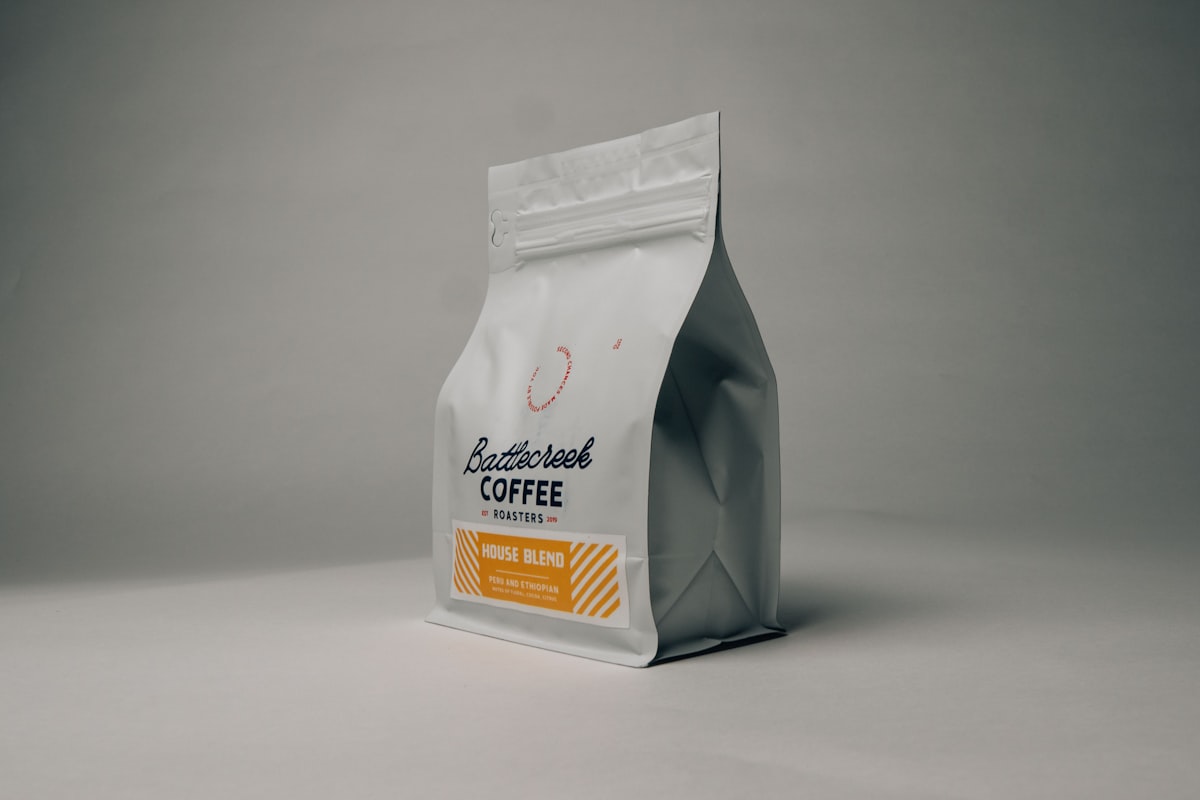
The bag your coffee came in is designed for the supply chain, not your cupboard. Coffee bags have a one-way valve that lets carbon dioxide escape (freshly roasted beans release CO2 for days) but lets oxygen seep in slowly. Once the bag is open, that valve works against you.
Transfer ground coffee to a proper airtight container immediately after opening. The standard airtight canisters available for £10-15 work well. Look for one with a silicone seal and a lid that clips or screws tight — not a flip-top that lets air in every time you open it.
Opaque containers beat clear glass. Light degrades coffee compounds almost as fast as oxygen does. If you only have a glass jar, keep it in a cupboard rather than on the counter.
2. Keep It Cool, Not Hot
Heat accelerates every chemical reaction that makes coffee stale. The area next to your kettle or toaster is the worst spot in the kitchen for coffee storage. Room temperature (18-22°C) is fine — just keep the container away from direct sunlight, the oven, or a windowsill that gets afternoon sun.
Humidity is the other enemy. Ground coffee absorbs moisture from the air, which makes it clump and develop off-flavours. A sealed container mostly solves this, but if you live somewhere particularly damp (hello, UK winters), adding a food-safe silica gel packet to your coffee container helps.
3. The Freezer: Yes, But Only If You Do It Right
Freezing ground coffee genuinely works — airtight packaging in a freezer at -18°C or below slows oxidation to nearly zero. The catch is that most people freeze it wrong.
The correct method: divide your ground coffee into single-week portions (about 130g for two cups a day) in separate airtight bags or containers. Squeeze as much air out as possible. Freeze the portions you won't use this week. Take one out, let it reach room temperature in its sealed container (about 30 minutes), then use it.
The critical rule: never refreeze thawed coffee. The condensation that forms during thawing introduces moisture that damages the grounds. Once a portion thaws, use it within 3-4 days.
A 250g bag of ground coffee split into two portions — one for this week, one in the freezer — keeps the second portion fresh for up to a month. Without freezing, that same portion would be noticeably stale after a fortnight.
4. Grind Only What You Need
The best storage method is also the simplest: don't store ground coffee at all. Grind exactly what you're about to use, brew it immediately, and there's nothing to go stale.
A manual grinder like the Timemore Chestnut C2 takes about 30 seconds to grind enough for a single cup. An electric burr grinder like the Baratza Encore ESP does it in under 10 seconds. That small daily investment in time buys you peak-freshness coffee every single cup.
If you buy whole beans and grind fresh, storage is much easier — whole beans stay good for 2-4 weeks in a sealed container, versus 1-2 weeks for ground. The slower degradation gives you more flexibility.
5. Vacuum Canisters: Worth the Upgrade?
Vacuum canisters remove air from the container after you seal it, which slows oxidation more effectively than a standard airtight seal. Ground coffee in a vacuum canister stays noticeably fresher for 2-3 extra days compared to a regular airtight container, according to multiple independent comparisons.
The vacuum-seal canisters available in the UK range from about £15 to £40. The cheaper ones use a manual pump; the pricier ones have a one-way valve you press to evacuate air. Both work, but neither replaces grinding fresh.
Where vacuum canisters genuinely help is if you buy pre-ground and can't finish a bag within a week. They extend the usable life enough that a 250g bag stays good for nearly two weeks instead of one. For whole beans, the benefit is smaller since beans already last longer on their own.
Products Mentioned in This Guide
Frequently Asked Questions
Final Verdict
Store ground coffee in an airtight, opaque container in a cool cupboard and use it within two weeks. That's it. The freezer is your backup for longer storage, but only works if you portion correctly and never refreeze.
If you want the absolute best freshness with zero effort, switch to whole beans and grind fresh. A manual grinder takes half a minute per cup and removes the storage problem entirely.

Sam writes about coffee for Coffee Nerds — machines, grinders, beans and brewing gear for UK coffee lovers. He keeps the nerdy details practical.
As an Amazon Associate we earn from qualifying purchases.
Last reviewed: August 19, 2026 · Evidence-based content · Contains affiliate links