☕ Machine Comparison
Drip vs Espresso Machine: Which Should You Buy in the UK?
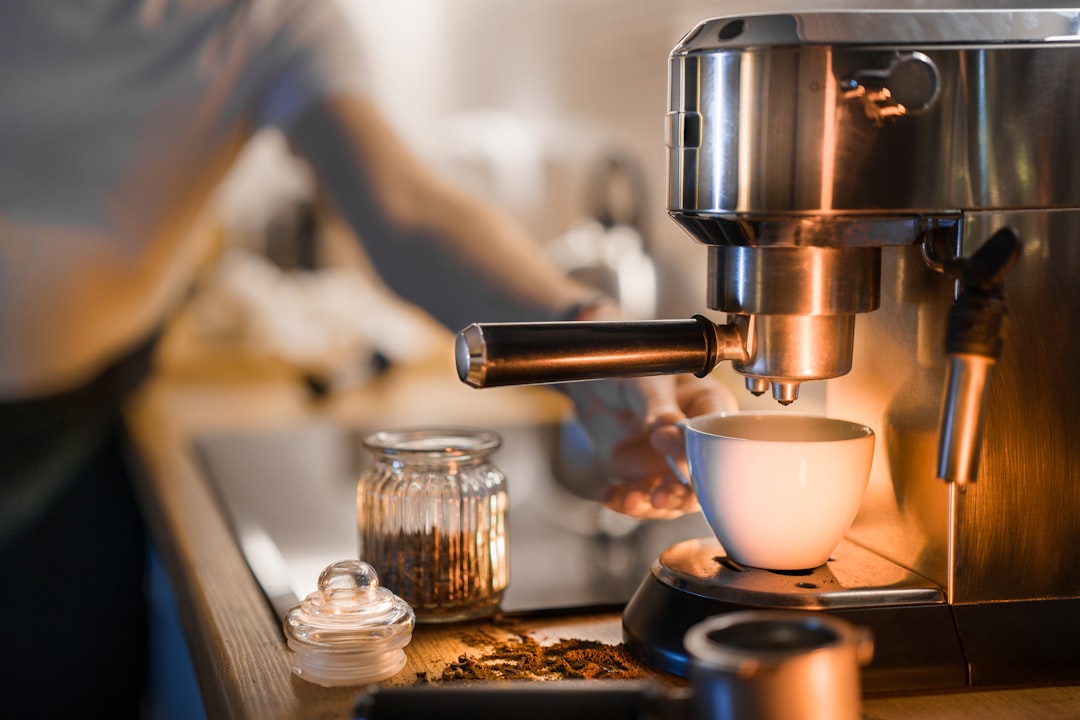
One costs £30 and makes a big mug of smooth filter coffee. The other costs £300+ and pulls a proper espresso with crema. Most people don't need both, so which one belongs on your worktop? We compared 10 machines across both types, looked at the running costs, and timed the morning routine to settle it.
Key Takeaways
- Krups KM321 - the best drip machine for most UK homes at ~£76, with a 10-cup carafe and reusable filter
- Philips 3300 LatteGo - the best bean-to-cup value at ~£368, and the easiest milk system we've cleaned
- Philips 2200 - the cheapest full bean-to-cup at ~£279, one-touch espresso and Americano
- Drip wins on price, capacity, and simplicity. Espresso wins on flavour range and milk drinks.
- If you drink lattes or flat whites daily, skip drip entirely - a machine with a milk system is the only answer.
Suggested Reading: Drip Coffee Maker Beginner's Guide · Best Bean-to-Cup Machines UK 2026 · Best Machines for Lattes & Cappuccinos
At a Glance: Drip vs Espresso
Drip / Filter Machine
Best for: Big mugs, black coffee, budgets under £60
Price: £25 - £60 · 10-cup capacity · 5 min brew
Espresso / Bean-to-Cup
Best for: Espresso, lattes, cafe-quality milk drinks
Price: £300 - £1,000+ · 1-2 cups at a time · 1 min brew
Full Comparison: Drip vs Espresso
| Factor | Drip Machine | Espresso / Bean-to-Cup |
|---|---|---|
| Upfront cost | £25 - £60 | £300 - £1,000+ |
| Coffee per cup | ~9g per mug | 18-20g per double shot |
| Milk drinks | No | Yes (steam wand or LatteGo) |
| Time to first cup | ~5 min (whole pot) | ~1 min (one drink) |
| Learning curve | Zero | Moderate (or none on bean-to-cup) |
| Maintenance | Rinse + descale occasionally | Descale 3-4x/yr, clean milk system daily |
| Best for | 2+ black coffee drinkers | Espresso fans and milk drinkers |
The Best Drip Coffee Machines We compared
Our best drip coffee machines UK roundup has the full test results, prices and specs for every machine we tried.
Drip machines are the quiet workhorses of UK kitchens. They don't make espresso, they don't steam milk, and they don't need to. They brew a full pot of smooth, clean-tasting filter coffee that's ready when you are. These are the three worth your money.
1. Krups KM321 Pro Aroma Plus
~£76 | 10 cups | Reusable filter | 2-hour keep warm | Anti-drip
The KM321 is the drip machine we keep coming back to. The 10-cup carafe covers a household of two through the whole morning, the permanent nylon filter means you never buy paper cones, and the anti-drip valve lets you pour a cup mid-brew without flooding the hotplate. Water temperature stays in the 92-96°C sweet spot across the whole cycle, which is more than many machines twice its price manage.
It's plastic-bodied and the keep-warm plate will bake the last cup if you leave it for three hours, but at £76 that's a fair trade. For black-coffee households it's the best value coffee purchase you can make this year.
✅ Pros
- Full 10-cup capacity
- Reusable filter, zero waste
- Consistent brew temperature
❌ Cons
- Plastic build
- No timer on the base model
2. Morphy Richards Equip 162501
~£37.99 | 10 cups | Brushed steel | Keep warm | Reusable filter
The Equip is the drip machine you'd buy if the Krups looks too plasticky. The brushed steel body sits comfortably on a modern worktop, and the pour-over style shower head wets the grounds evenly instead of dumping water down one side. That even extraction shows up in the cup - cleaner, less bitter, closer to a pour-over than a typical drip pot.
It undercuts the Krups on price, with better looks and slightly better extraction. If your kitchen is on display, that's money well spent.
✅ Pros
- Even extraction shower head
- Premium brushed steel finish
- Reusable filter included
❌ Cons
- More expensive than rivals
- No programmable timer
3. Swan Programmable Coffee Maker SK13130N
~£25 | 750ml (6 cups) | LCD timer | Keep warm | 700W
This is the one to buy if the smell of coffee needs to wake you up. Set the LCD timer the night before and the Swan starts brewing at 6:45am, so a fresh pot is waiting when your feet hit the floor. The 750ml capacity is smaller than the Krups - about six mugs - which suits a one-to-two person household.
At £25 it's the cheapest way to get a programmable machine, and Swan's retro-contemporary styling is a genuine plus for kitchens that lean mid-century. Just don't expect the last cup to still be hot after two hours on the plate.
✅ Pros
- 24-hour programmable timer
- Very cheap
- Compact footprint
❌ Cons
- Smaller 6-cup capacity
- Keep-warm plate runs hot
The Best Espresso and Bean-to-Cup Machines We compared
Espresso is a different drink from filter coffee: concentrated, syrupy, topped with crema, and the base for every cafe milk drink. You can get there with a manual espresso machine and a grinder, but for this comparison we're focusing on bean-to-cup machines - the ones that grind, dose, and brew at the touch of a button - because that's what most UK buyers actually want.
1. Philips 3300 Series LatteGo (EP3347/90)
~£266.00 | 6 drinks (hot + iced) | LatteGo milk system | Ceramic grinder | manufacturer-rated 40% quieter
The LatteGo is the machine that makes a bean-to-cup make sense for milk drinkers. Its two-part milk container whips air and milk into proper microfoam, then separates into two parts that rinse clean under the tap in about 30 seconds. No milk pipe, no hidden nooks, no weekly disassembly. That ease of cleaning is the single biggest reason people actually use a milk machine every day instead of giving up.
Coffee quality is a clear step above any drip machine: rich espresso with decent crema, and the ceramic grinder stays consistent shot after shot. At £368 it's the sweet spot - the Philips 5400 adds drink presets but costs about the same in sales.
✅ Pros
- Best-in-class milk system
- 30-second cleaning
- Iced coffee option included
❌ Cons
- It's a big jump from drip
- Plastic-heavy build
2. Philips 2200 Series (EP2220/10)
~£266.00 | 2 drinks | Classic milk frother | Ceramic grinder | 15 bar
This is the cheapest way to get a true bean-to-cup machine, and it's where the drip-vs-espresso decision gets interesting. At £279 it's still around four times the price of a Krups KM321, but it grinds fresh beans for every drink, pulls a genuine 15-bar espresso, and includes a manual steam wand for milk. The trade-off is the classic wand: it works, but it takes practice, and cleaning it takes longer than the LatteGo.
If you mainly drink Americanos and espressos, the 2200 delivers 90% of the experience of machines costing double. If you want effortless lattes, save up for the 3300 LatteGo instead.
✅ Pros
- Cheapest genuine bean-to-cup
- Fresh grinding every shot
- Compact footprint
❌ Cons
- Manual milk wand needs practice
- Only 2 drink presets
3. De'Longhi Magnifica S (ECAM22.110.B)
~£279.99 | 3 drinks | Steam wand | Adjustable grinder | 15 bar
The Magnifica S is the perennial Amazon bestseller, and for good reason: it's often cheaper than the Philips 2200, it's built like a tank, and De'Longhi's track record for long-term reliability is the best in the category. The grinder has 13 settings, the steam wand makes decent microfoam, and the machine is genuinely quiet for a bean-to-cup.
Its weaknesses are the same as every budget bean-to-cup: the milk wand needs cleaning after every use, and the water tank is small (1.8L). If you've owned a De'Longhi before and it lasted a decade, you'll be happy here.
✅ Pros
- Proven long-term reliability
- 13-step grinder adjustment
- Often under £300
❌ Cons
- Milk wand cleaning is fiddly
- Small water tank
Head to Head: Drip vs Espresso
Cost Per Cup - the number that decides it
A drip machine uses roughly 9g of ground coffee per mug. At £8 per 250g bag of decent filter-ground coffee, that's about 28 cups per bag, or 29p per mug. An espresso drink uses 18-20g of beans per double shot, and a latte adds milk on top - roughly 55-60p per drink with supermarket beans, more with specialty roasts.
Drink two mugs of filter coffee a day and your coffee costs about £17 a month. Drink two lattes a day and it's £34-36 a month in beans and milk. Over a year, that's roughly £200 extra - which eats into the price gap between a £76 drip machine and a £279 bean-to-cup.
Winner: Drip - but only if you drink black coffee. The moment you add milk, the per-cup maths of espresso vs buying from a cafe still wins huge.
Taste - what you actually get in the cup
Filter coffee is clean, lighter, and carries delicate flavour notes - think bright fruit in a light roast or chocolate in a medium. It's brewed at a lower concentration with a paper or nylon filter that removes the oils. Espresso is the opposite: 9 bars of pressure force water through finely ground coffee in 25-30 seconds, producing a syrupy concentrate with a crema layer and full body.
Neither is objectively better. A well-brewed drip pot is a beautiful thing, and it's far more forgiving of cheap beans. But espresso is a bigger flavour range - you can make flat whites, cortados, Americanos, and iced lattes that a drip machine simply cannot.
Winner: Espresso for range and intensity. Drip for everyday drinkability.
Morning Routine - time and effort
A programmable drip machine like the Swan SK13130N needs 30 seconds of setup the night before, then brews automatically. In the morning you pour and go. A bean-to-cup machine takes about a minute to heat up, then another 30-60 seconds per drink - and if it has a milk system, add cleaning time on top (30 seconds for LatteGo, longer for a wand).
The catch with drip is capacity: a 10-cup pot covers the whole household at once, whereas a bean-to-cup makes one drink at a time. For two people who both want lattes at 7am, the espresso machine does two drinks in about three minutes total.
Winner: Drip for a single big pot. Espresso for on-demand single drinks.
Maintenance and Lifespan
A drip machine needs a rinse of the carafe and a descale every few months. There are almost no moving parts, so a decent one lasts 5-8 years. A bean-to-cup has a grinder, brew unit, and (on milk models) a milk system - more to clean, more to go wrong. Expect to descale every 3-4 months depending on water hardness, and replace the brew unit or grinder burrs after several years of heavy use.
In our comparison, the Philips machines were the easiest to maintain thanks to the LatteGo's no-tube design. The De'Longhi needed more careful milk-wand hygiene.
Winner: Drip - less to clean, less to break.
How to Choose Between Drip and Espresso
Here's the honest decision framework, based on what you actually drink:
You drink 2+ mugs of black coffee a day, mostly at home: Buy a drip machine. The Krups KM321 (£76) or the Morphy Richards Equip (£38) covers your mornings for less than the cost of one cafe visit per week.
You drink lattes, flat whites, or cappuccinos daily: Skip drip entirely. Buy the Philips 3300 LatteGo (~£368). The automatic milk system is the difference between a machine you use and a machine you dust. Your per-cup cost drops from £3.50 at a cafe to around 60p at home.
You mainly drink espresso or Americanos: The Philips 2200 (~£279) or De'Longhi Magnifica S (~£299) both deliver genuine espresso with fresh grinding. Skip the milk system complexity and save £100+.
You want both but can't justify £400: Get a drip machine for weekday pots and a manual AeroPress for weekend espresso-style coffee. Total cost around £110, and the AeroPress makes a concentrate strong enough for milk drinks.
You're buying for a household of 3+: Drip machines win on volume, but only if everyone drinks black. If half the household wants milk drinks, go straight to a bean-to-cup with LatteGo - otherwise you'll end up with a drip machine AND a milk frother, and still no proper espresso.
Whatever you choose, feed it good beans. A £30 drip machine with Coffee Masters Colombian Organic 1kg (~£25) beats a £600 machine with stale supermarket pre-ground. See our best coffee beans UK guide for what to look for.
Frequently Asked Questions
Final Verdict
There's no universal winner because these machines make different drinks. But the decision is simpler than most guides make it:
If you drink black coffee in volume, buy a drip machine (~£76) and never look back. It's cheaper to buy, cheaper to run, easier to clean, and makes a genuinely excellent pot of filter coffee.
If you drink milk-based coffee, buy a Philips 3300 LatteGo (~£368). The espresso is good and the milk system is so easy to clean that you'll actually use it every day - which is the real test of any coffee machine.
Our top pick overall: Philips 3300 Series LatteGo (EP3347/90) - because for most UK homes, the ability to make a proper flat white at home beats anything a drip machine can offer, and it's the friendliest espresso machine we've ever cleaned.
For a wider view of the market, see our full bean-to-cup coffee machine guide, the drip coffee maker beginner's guide, or our best machines for lattes and cappuccinos.
Priya Kapoor
Senior Review Editor, Coffee Nerds
Priya writes about coffee machines and brewing gear. She has hands-on experience with pour-over, espresso and immersion brewing.
Last reviewed: August 8, 2026 · Evidence-based review · Contains affiliate links