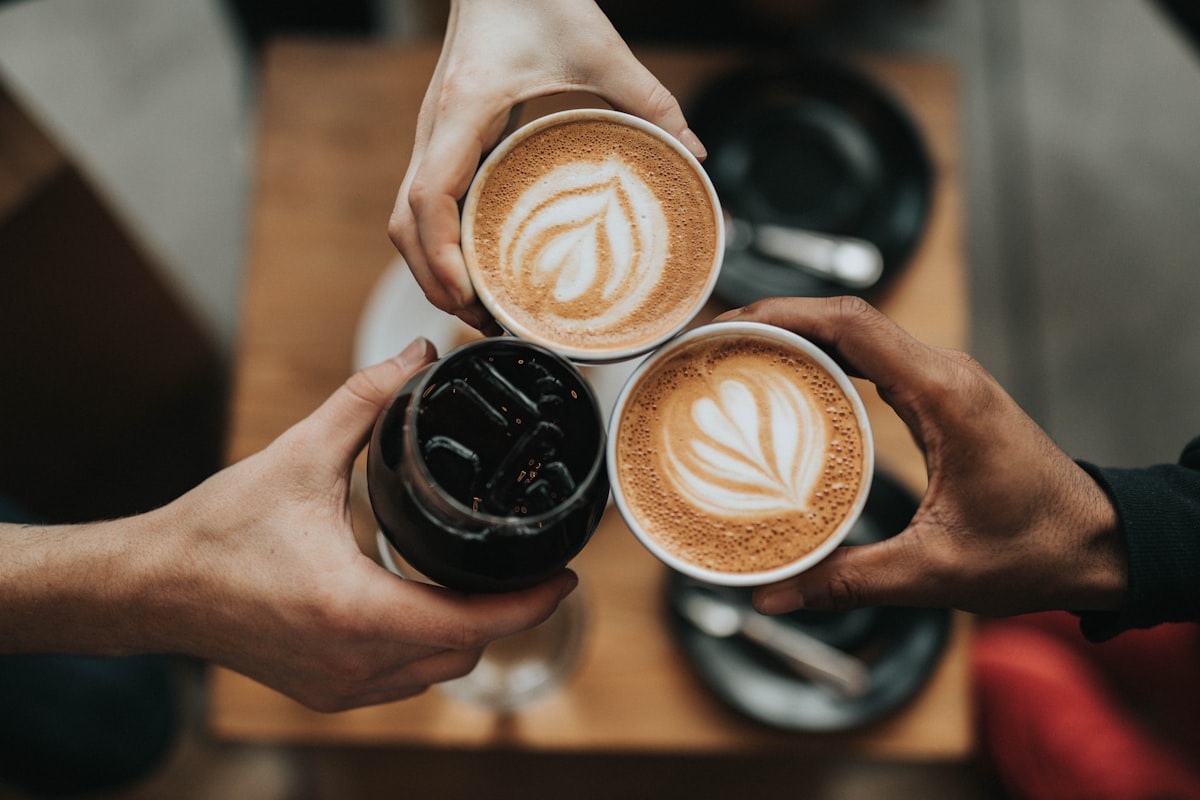
Brewed Coffee vs Instant Coffee: What's Actually Different?
Key Takeaways
- Brewed coffee extracts ground beans with hot water; instant coffee is a dried concentrate you rehydrate, and that difference drives everything else
- Brewed coffee wins on aroma, depth and freshness, while instant wins on speed and convenience
- Caffeine is close between them, but a standard mug of filter coffee usually edges ahead of instant
- Premium freeze-dried instants like NESCAFÉ Azera Americano close the taste gap but still cost more per cup than brewing at home
- An AeroPress or cafetiere gets you real brewed coffee for around 20 to 40p a cup
Suggested reading: Drip Coffee Maker Beginner's Guide · Cafetiere Guide · Best Coffee Beans UK
What Counts as Brewed Coffee?
When people search for "brewed coffee", most mean coffee made by extracting ground beans with hot water and then drinking the liquid. That covers the cafetiere on your worktop, a filter machine, a pour-over dripper, a moka pot and an espresso machine. The shared idea is simple: water passes through coffee grounds, picks up the flavour compounds, and you serve the result.
Instant coffee is a different product entirely. It starts life as brewed coffee, but the liquid is then concentrated and dried into granules or powder. When you make a cup of instant, you are not brewing anything. You are rehydrating a finished product that was brewed in a factory weeks or months ago. That one difference explains almost everything about how the two compare on taste, speed and price.
How Instant Coffee Is Made (and Why It Tastes Different)
Commercial instant coffee goes through one of two processes: spray drying or freeze drying. Both start with a strong brewed coffee concentrate, which is dried down into soluble granules that dissolve when you add water.
Spray drying is the older and cheaper method. Hot air blasts the concentrate into fine droplets, which dry almost instantly into powder. It is fast and inexpensive, but the heat destroys a big share of the volatile aromatic compounds that give coffee its smell and flavour. That is why budget instant can taste flat and slightly burnt.
Freeze drying is gentler. The concentrate is frozen and then placed in a vacuum, where the ice sublimates straight from solid to vapour without passing through a liquid stage. The granules keep far more of the original aroma, which is why premium brands like NESCAFÉ Azera Americano taste noticeably closer to real brewed coffee. The trade-off is cost: freeze-dried instant sits at the premium end of the shelf.
Some newer instants, Azera included, blend in finely ground roast coffee as well. Those specks add a little body and the smell of fresh grounds, which makes the cup more convincing. It is a clever compromise, but the base is still dried concentrate rather than a fresh extraction.
The Taste Test: What's Really in the Cup
Brewed coffee and instant coffee are both made from the same raw material, so why does the brewed version usually taste better? It comes down to the aromatics. Freshly brewed coffee holds hundreds of volatile compounds that carry flavour and smell. Those compounds start fading the moment the coffee is ground, and they fade faster as the liquid cools or gets processed.
The drying step in instant coffee production removes most of those volatiles. What survives is the basic bitter, roasty and acidic skeleton of coffee without the floral, fruity or caramel notes on top. That is why a blind tasting is rarely close: brewed filter coffee has layers, while instant has a single flat note.
There is a second factor, and it is the water. Brewed coffee gets extracted at a controlled temperature, usually 90 to 96°C for filter methods, which pulls out the desirable compounds in the right order. Instant coffee is dissolved in water at whatever temperature you pour, often a bit cooler, and there is no extraction happening at all. You are simply dissolving solids, so the result is what the factory made, with no room for your technique to improve it.
Caffeine: Which Cup Packs More?
The caffeine question comes up constantly, and the answer is closer than most people expect. A standard 240ml mug of brewed filter coffee contains roughly 80 to 120mg of caffeine. A mug made from a rounded teaspoon of instant granules contains roughly 60 to 90mg.
So brewed coffee edges ahead, but not by a huge margin, and your own habits matter more than the format. A heaped spoon of strong instant beats a weak filter brew every time. Espresso is the outlier: a single 30ml shot has about 60 to 70mg, which is why a flat white feels stronger than a big mug of filter even though the shot is tiny.
If you are watching your intake for sleep or health reasons, the honest answer is to weigh the actual coffee solids you use rather than assuming the format tells you everything. Two spoons of instant in a big mug is a lot of caffeine, and a long, watery filter brew can be surprisingly mild.
The Cost Breakdown (UK Prices)
This is where the comparison gets interesting, because the old "instant is cheaper" assumption does not survive contact with premium instant. Here is the honest arithmetic for a 240ml cup:
- Budget instant granules: roughly 4 to 8p a cup. Cheapest option by a mile, and you can see why it dominates the office kitchen.
- Premium freeze-dried instant like Azera: roughly 15 to 25p a cup. Convenient, decent, but no longer cheap.
- Brewed coffee from a cafetiere with supermarket beans: roughly 15 to 25p a cup, including beans and water.
- Brewed coffee from an AeroPress with specialty beans: roughly 30 to 45p a cup.
- Filter machine with a bag of good ground coffee: roughly 10 to 20p a cup, and it makes eight cups at once.
The headline: brewing at home with a decent filter machine or a cafetiere is now competitive with premium instant on price, while tasting significantly better. The equipment costs something upfront, but a £25 cafetiere or a £35 AeroPress pays for itself within a couple of months if it replaces café visits or premium instant.
When Instant Coffee Is the Right Choice
Brewed coffee is not always the better answer, and pretending otherwise is snobbery. Instant coffee genuinely wins in four situations:
- Speed. Boil the kettle, spoon in the granules, done in under a minute. No grinding, no dosing, no cleanup beyond rinsing a mug.
- Single servings. If you drink one cup a day and hate waste, a jar of instant does not go stale the way a bag of beans does after the seal is broken.
- Travel, camping and the office. A jar of premium instant in a drawer beats the machine in the shared kitchen, and it needs no equipment.
- Baking and cooking. Recipes that call for a spoonful of coffee flavour are easier with instant, because you dissolve it directly into the batter or sauce.
If you fall into one of those groups, the sensible upgrade is a freeze-dried instant rather than budget granules. The jump in flavour from spray-dried to freeze-dried is bigger than most people expect, and it costs a few pence more per cup.
How to Get Real Brewed Coffee Without Fancy Gear
If the taste comparison has convinced you to try brewed coffee, you do not need a £500 espresso machine to see the difference. The two cheapest entry points are a cafetiere and an AeroPress.
A Bodum Chambord cafetiere is the classic UK starting point. Coarse grounds, hot water, four minutes, press and pour. It makes a full-bodied cup with real aroma, and it scales up if you have guests. Our cafetiere buying guide covers the best models and the exact ratios.
The AeroPress is the better choice if you drink one cup at a time and want something quick and easy to clean. It brews under pressure, which gives a cleaner, brighter cup than a cafetiere, and the whole thing rinses clean in five seconds. It is also the cheapest way to taste the difference between brewed and instant without buying any other gear.
For the beans, start with a bag of fresh whole beans and grind them just before brewing if you can. Bags like Union Original Blend or Lavazza Qualità Oro are reliable and easy to find in the UK. Pre-ground coffee from a good roaster works too, but it loses aroma faster, so buy smaller bags and use them quickly.
The Verdict: Which Should You Buy?
If you drink coffee because you enjoy it, brewed coffee is the upgrade worth making. Even the cheapest brewing method with a decent bag of beans produces a cup with more aroma, more depth and more personality than anything from a jar. The cost difference has mostly disappeared, so the convenience argument is the only real reason to stay with instant.
If you drink coffee because you need caffeine delivered fast, or you brew a single cup in a shared office, premium instant is a perfectly reasonable choice. Just buy freeze-dried rather than spray-dried granules, and treat the jar like a seasoning: use enough to get the strength you actually want.
For most people, the smart move is both. Keep a jar of good instant for the mornings when you need coffee in ninety seconds, and add a cafetiere or AeroPress for the cups you actually want to enjoy. That split gives you the convenience of instant and the taste of brewed, without pretending one of them is objectively better at everything.
Products Mentioned in This Guide
- NESCAFÉ Azera Americano Instant Coffee 500g - the freeze-dried instant that closes the taste gap
- AeroPress Original Coffee Maker - the cheapest way into proper brewed coffee
- Bodum Chambord Cafetiere - the classic UK French press, full-bodied and forgiving
- Krups KM321 Filter Machine - brews a full pot for under 20p a cup
- Union Original Blend Beans - fresh, well-balanced beans for filter brewing
- Lavazza Qualità Oro Beans - smooth medium roast, reliable in any brew method
Frequently Asked Questions

Sam Roberts writes about coffee machines, beans and brewing gear for Coffee Nerds.
As an Amazon Associate we earn from qualifying purchases.
Last reviewed: August 2, 2026 · Evidence-based content · Contains affiliate links