Coffee Brewing Methods Compared: Our Ranking
Picking a brewing method is the single biggest lever on how your coffee tastes at home. Grind, bean and water quality all matter, but the brewer decides the body, the clarity and how much faff sits between you and your first cup. We compared the five methods UK home brewers reach for most, and ranked them by taste ceiling, time and effort.
Our ranking at a glance
| Rank | Method | Taste ceiling | Time | Effort | Best for |
|---|---|---|---|---|---|
| 1 | Pour-over (V60) | Highest clarity | ~4 min | Medium | Flavour chasers |
| 2 | AeroPress | Clean + versatile | ~2 min | Low | Speed + travel |
| 3 | Cafetiere | Full-bodied | ~5 min | Lowest | Simplicity |
| 4 | Moka pot | Strong, intense | ~8 min | Medium | Espresso without a machine |
| 5 | Drip machine | Reliable batch | Hands-off | Lowest | Households, offices |
1. Pour-over (V60) - the clarity king
Pour-over gives the brightest, most transparent cup of any home method. You control water temperature, pour speed and agitation, so you can pull specific flavour notes out of a single origin. The trade-off is attention: it wants a gooseneck kettle for a steady spiral pour and a scale to weigh dose and water. A burr grinder helps a lot but isn't essential to start.
Best for: people who want to taste what makes a coffee special, and don't mind a small ritual. The Hario V60 Drip Decanter is the classic starter, while the Chemex 6-Cup trades a little convenience for a thicker filter and an even cleaner cup. Pair either with the Fellow Stagg EKG Gooseneck Kettle and the Timemore Chestnut C2 grinder.
2. AeroPress - the forgiving all-rounder
The AeroPress turns out a clean, espresso-strength cup in about two minutes and shrugs off most mistakes. Grind a touch coarse, add water just off the boil, press gently. It's small, nearly indestructible and slips into a coat pocket, which is why it's the brewer most travellers pack. It also makes a mean cold brew if you leave it to steep.
Best for: anyone who wants great coffee fast, or wants one brewer for home and holidays. The AeroPress Original is the one to get.
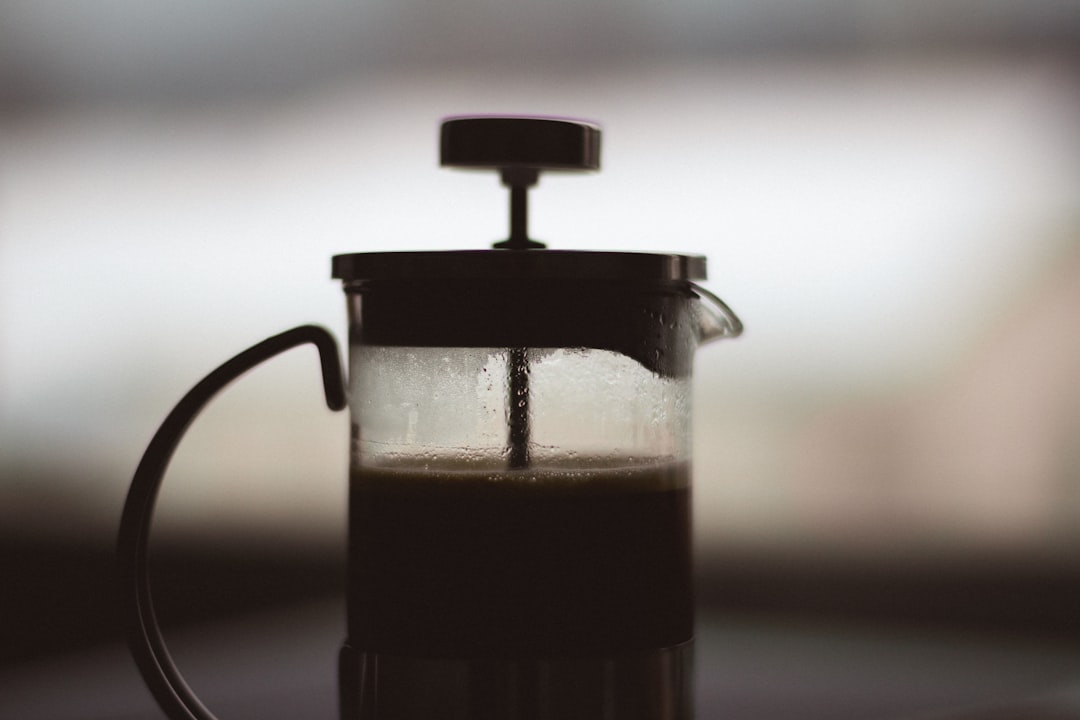
3. Cafetiere (French press) - the low-effort classic
The cafetiere is the easiest path to a full, heavy-bodied mug. Drop coarse grounds in, add hot water, wait four minutes, press. No paper filter means more oils and a little sediment stay in the cup, which some love and some find gritty. It's cheap, needs no electricity and scales up to share.
Best for: simplicity fans and people brewing for more than one. The Bodum Chambord 12 Cup is the standard and looks good on a counter.
4. Moka pot - stovetop intensity
The moka pot brews a strong, almost-espresso cup on any hob, no machine required. Water steams up through the basket of fine grounds, giving a concentrated, bold result. It demands a gentle heat and a watchful eye, because too much heat and it tastes burnt. With good beans it punches well above its price.
Best for: espresso lovers without an espresso machine. The Bialetti Moka Express 3 Cup is the icon.
5. Drip machine - hands-off batches
A drip (filter) machine does the work while you get on with the morning. Load grounds and water, press start, come back to a full carafe. Taste is reliable rather than exciting, and a decent machine holds temperature better than most improvised setups. It's the natural pick when one cup won't cut it.
Best for: households, offices and anyone who wants coffee without a ritual.
How to choose
Start with how much you enjoy the process. If brewing is part of the fun, pour-over rewards the attention. If you want caffeine with minimum friction, the AeroPress or cafetiere wins. Want espresso weight without the counter space? The moka pot delivers. Brewing for a crowd? Drip.
Whichever you pick, fresh beans matter more than the brewer. We rate the Union Original Blend 1kg as a reliable, well-priced all-rounder that suits every method above.
Products mentioned in this guide
Frequently Asked Questions
Final verdict
For most UK homes the AeroPress is the sweet spot: fast, forgiving and genuinely good coffee with almost no learning curve. If you want to really taste your beans, step up to pour-over with a gooseneck kettle and a burr grinder. Want the lowest effort of all? The cafetiere is hard to beat. New to all of this? Start with our best brewing methods for beginners guide for step-by-step instructions on each one.

Sam writes about coffee for Coffee Nerds - machines, grinders, beans and brewing gear for UK coffee lovers. He keeps the nerdy details practical.
As an Amazon Associate we earn from qualifying purchases.
Last reviewed: August 20, 2026 · Evidence-based content · Contains affiliate links