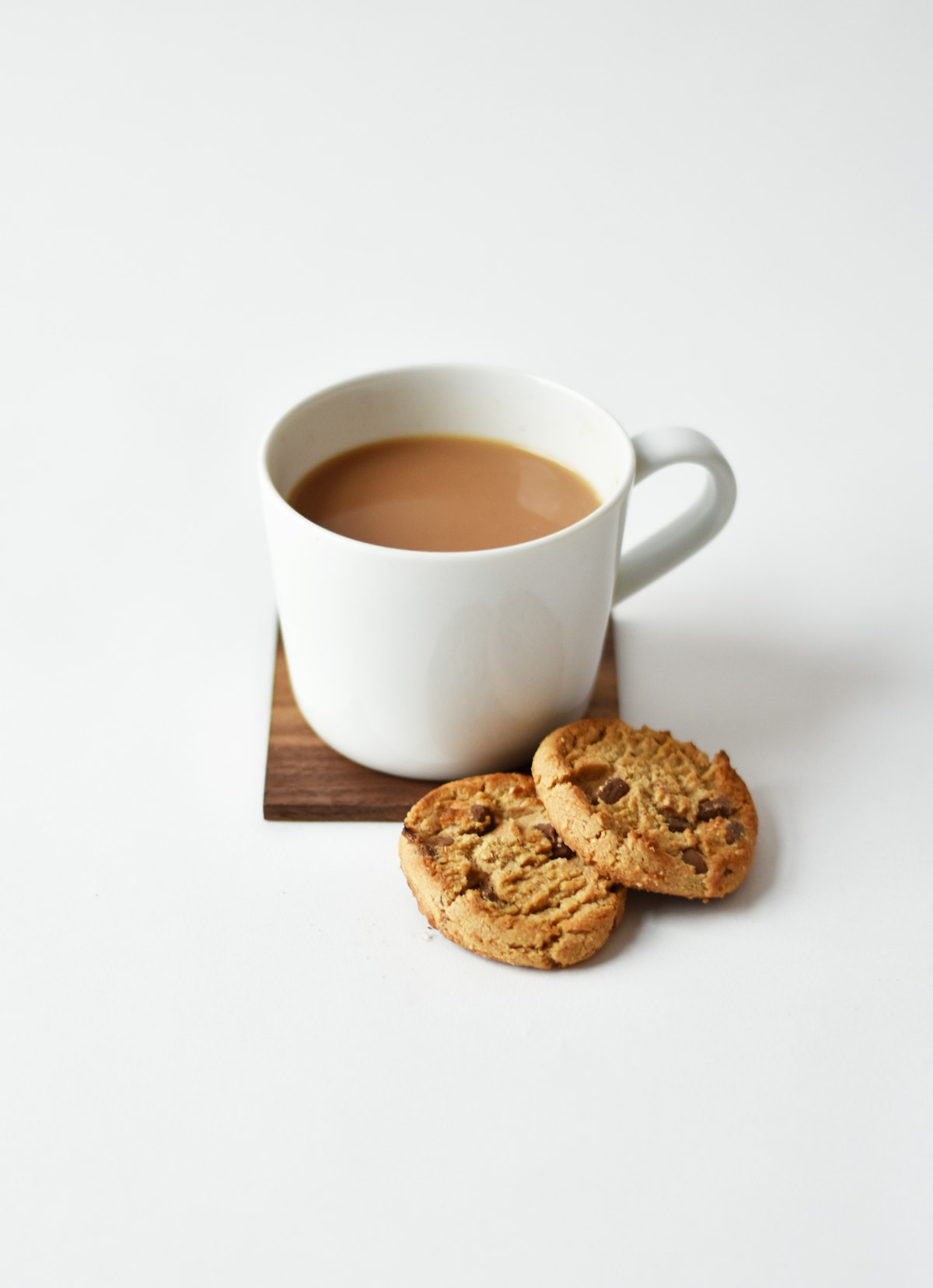
How Much Caffeine in Your Coffee? UK Guide to Caffeine Content by Brew Method
- Espresso (single 25ml): ~63mg caffeine — quick hit, not as much as you'd think
- Filter coffee (250ml): ~80-180mg — the most variable of all brew methods
- Cold brew (250ml concentrate): ~150-260mg — can be double filter coffee
- Instant coffee (250ml): ~30-90mg — the lowest caffeine option
- UK safe limit: 400mg/day for adults (~4 filter coffees)
Suggested reading: Best Coffee Beans UK 2026 · Coffee Roasts Explained
You grab a coffee in the morning without thinking twice. But have you ever wondered how much caffeine is actually in that cup? The answer depends on more than you think — the bean type, roast level, brew method, and serving size all play a role.
In the UK, we drink over 95 million cups of coffee a day. Yet most of us have no idea whether a flat white packs more punch than a filter coffee, or if that cold brew concentrate you've been sipping is actually the caffeine equivalent of three espressos.
This guide breaks down the caffeine content of every major brew method, explains what affects the numbers, and gives you the facts to make smarter choices about your caffeine intake. No scaremongering, no "just switch to decaf" — just the data.
How Caffeine Gets Into Your Coffee
Before we get into the numbers, it helps to understand what drives caffeine extraction. Caffeine is water-soluble, and several factors control how much ends up in your cup:
- Bean type: Robusta has roughly double the caffeine of Arabica (2.7% vs 1.5% by weight). Most UK supermarket coffee is Arabica-Robusta blends, while specialty coffee is almost all Arabica.
- Roast level: Contrary to popular belief, light roasts retain slightly more caffeine than dark roasts. The roasting process breaks down caffeine molecules, so a light roast bean preserves more of its original caffeine content.
- Grind size: Finer grinds expose more surface area, which means more caffeine extraction. This is why espresso (very fine grind) extracts efficiently even with a short brew time.
- Brew time & temperature: Longer contact time and hotter water both increase caffeine extraction. Cold brew uses extended steeping (12-24 hours) to compensate for the cold water.
- Coffee-to-water ratio: More coffee grounds per cup equals more caffeine. This is the single biggest variable you can control.
Caffeine Content by Brew Method
Here's how the main brew methods stack up. These are average figures based on UK-style serving sizes — your actual mileage will vary depending on how you brew.
| Brew Method | Serving Size | Caffeine Range (mg) | Typical |
|---|---|---|---|
| Single Espresso | 25-30ml | 50-80 mg | ~63 mg |
| Double Espresso | 50-60ml | 100-160 mg | ~125 mg |
| Filter Coffee | 250ml | 80-180 mg | ~120 mg |
| French Press | 250ml | 80-150 mg | ~110 mg |
| Pour Over (V60/Chemex) | 250ml | 100-175 mg | ~140 mg |
| Cold Brew (concentrate) | 250ml | 150-260 mg | ~200 mg |
| Instant Coffee | 250ml | 30-90 mg | ~60 mg |
| Flat White / Latte | 200ml | 100-160 mg | ~125 mg |
| Cappuccino | 200ml | 50-80 mg | ~63 mg |
The key takeaway: brew method matters more than you think. A single espresso and an instant coffee both sit around 60mg, but a cold brew concentrate can hit 260mg — over four times the caffeine in the same volume.
Espresso — Small but Concentrated
Espresso often gets the reputation as the caffeine heavyweight, but the numbers tell a different story. A single 25ml shot of espresso contains about 63mg of caffeine — less than a standard cup of filter coffee. The difference is concentration: espresso is roughly 2.5mg of caffeine per ml, while filter coffee is around 0.5mg per ml.
What makes espresso interesting is that you feel it more. The rapid extraction at high pressure pulls out not just caffeine but also a broader range of compounds that create that intense sensory hit. Plus, most people don't stop at a single shot. A double espresso or a flat white (double shot + steamed milk) tips you into the 125mg range.
If you're making espresso at home, the machine matters. A quality Philips 5400 Series or De'Longhi Magnifica S with consistent pressure and temperature will extract more evenly than a budget machine. The grind also plays a huge role — which is why investing in a decent grinder like the Timemore Chestnut C2 makes a real difference to both flavour and caffeine extraction.
- Philips 5400 Series EP5446/70 — our top-rated mid-range bean-to-cup machine
- De'Longhi Magnifica S ECAM22.110.B — best value bean-to-cup espresso
- Timemore Chestnut C2 Manual Grinder — consistent grind for better extraction
Read our full best bean-to-cup coffee machines guide.
Filter Coffee — The Caffeine Wildcard
Filter coffee (drip coffee, pour over, cafetiere) is the most variable brew method for caffeine. A 250ml cup can range from 80mg for a weak shop-brewed filter to 180mg for a strong home-brewed V60. Why such a big range? Because you control the variables entirely — how many scoops of coffee, how fine you grind, how long you let it steep.
Most UK filter coffee drinkers use about 15g of coffee per 250ml cup, which lands them around 120mg of caffeine. But bump that to 20g (which many coffee nerds do for pour over) and you're looking at 160mg+.
The Hario V60 Drip Decanter is a popular choice for UK home brewers because it gives you full control over pour rate and brew time. Pair it with a coffee scale with timer and you can dial in your exact preferred strength consistently.
Bean choice also matters here. For filter brewing, medium roasts from Lavazza Qualita Oro or Union Original Blend give a balanced caffeine level with good flavour clarity. If you want a stronger brew, try Grano Milano French Roast — darker beans extract faster and can push caffeine numbers up slightly.
Cold Brew — The Hidden Caffeine Bomb
Cold brew deserves a special warning because it's the one coffee drink where people routinely underestimate the caffeine content. A 250ml serving of cold brew concentrate typically contains 150-260mg of caffeine — that's roughly the same as 2-3 espressos in a single cup.
The reason is simple: cold brewing uses a much higher coffee-to-water ratio (typically 1:5 or 1:8, vs 1:15 for hot brewing) and steeps for 12-24 hours. Even with cold water's slower extraction, the sheer volume of coffee grounds delivers a potent result.
Most people drink cold brew with milk or dilute it with water, which brings the caffeine level down significantly. But if you're buying a cold brew from a café or drinking it straight from the bottle, check whether it's concentrate or ready-to-drink. A full bottle of concentrated cold brew can easily exceed the UK's daily caffeine limit of 400mg.
Making cold brew at home? The Hario Mizudashi Cold Brew Pot is a simple way to control your strength. See our full cold brew beginner's guide for ratios and tips.
Instant Coffee — Less Than You Think
Instant coffee gets a lot of stick from coffee enthusiasts, but it has one genuine advantage: you know exactly how much caffeine you're getting. A standard teaspoon of instant coffee powder (about 2g) contains roughly 30-45mg of caffeine. A heaped teaspoon bumps that to 60-90mg.
Compare that to a filter coffee where the caffeine could vary by 100mg depending on how you brew, and instant starts to look appealing if you're tracking your intake. It's also the go-to choice for people who want a warm drink without the full caffeine hit later in the day.
If you do drink instant but want better flavour, try switching to quality instant or soluble whole-bean coffee. Brands like Lavazza and Union make instant versions that are a step up from the supermarket basics.
Does Roast Level Affect Caffeine?
There's a widespread belief that dark roast coffee has more caffeine because it tastes stronger. The opposite is actually true. Light roast beans retain slightly more caffeine than dark roasts — the roasting process breaks down caffeine molecules, so the longer beans are roasted, the more caffeine they lose.
The difference is relatively small (maybe 5-10%), but it's consistent. A Coffee Masters Colombian Organic light roast will have marginally more caffeine than a dark roasted blend like Grano Milano French Roast.
However, there's a practical catch: dark roasted beans are less dense than light roasted ones. So if you measure your coffee with a scoop rather than a scale, you're using fewer actual beans per scoop with a dark roast, which means less caffeine. If you weigh your coffee (which you should), the difference between roasts is negligible.
- Lavazza Qualita Oro 1kg — medium roast, balanced for filter and espresso
- Union Original Blend 1kg — smooth medium roast, great all-rounder
- Coffee Masters Colombian Organic 1kg — light roast single origin
- Grano Milano French Roast 1kg — dark roast for a bolder flavour profile
- Quarter Horse Dark Horse Espresso 1kg — espresso blend, medium-dark roast
Read our full best coffee beans UK 2026 guide and coffee roasts explained.
Arabica vs Robusta — The Caffeine Showdown
This is the single biggest factor in caffeine content. Robusta beans contain roughly 2.7% caffeine by weight, while Arabica sits around 1.5%. That's almost double the caffeine. It's not a subtle difference.
Robusta is cheaper to grow, more resistant to disease, and produces a thicker crema in espresso. It's also more bitter and less complex in flavour, which is why specialty coffee almost exclusively uses Arabica. Most supermarket "espresso blends" mix Arabica and Robusta — you get the flavour from the Arabica and the kick (and crema) from the Robusta.
If you're buying coffee for home, check the bag. Many UK roasters label their blends clearly. Union Original Blend is 100% Arabica, while some Italian-style blends like Lavazza incorporate a small percentage of Robusta for body and caffeine punch.
How the UK Compares: Caffeine Limits and Guidelines
The UK Food Standards Agency recommends a maximum of 400mg of caffeine per day for healthy adults. That's roughly four cups of filter coffee, two double espressos, or one and a half large cold brews. Pregnant women are advised to stay under 200mg per day.
To put that in perspective:
- A morning filter coffee + lunchtime flat white + afternoon espresso = about 305mg — well within limits
- Four double espressos across a day = 500mg — over the recommendation
- A 500ml bottle of cold brew from a café = potentially 300-400mg — nearly your entire daily allowance in one go
Individual tolerance varies hugely. Your body weight, metabolism, and how regularly you consume caffeine all affect how you process it. Some people happily drink 600mg a day with no issues; others get jittery after a single espresso. The 400mg guideline is a sensible ceiling, not a target.
How to Control Your Caffeine Intake at Home
If you want to dial your caffeine up or down, here are the levers you can pull:
- Use a scale: Weighing your coffee beans gives you precise control over dose. The coffee scale with timer is the best investment for consistent brews.
- Choose your bean: 100% Arabica = lower caffeine. Blends with Robusta = higher caffeine.
- Adjust your ratio: More water per gram of coffee = less caffeine per cup. Simple.
- Brew method matters: Switch to single espresso or instant for lower doses. Stick to filter for medium. Watch out for cold brew concentrate.
- Use machine settings: Most bean-to-cup machines like the Philips 5500 Series let you adjust strength. A milder setting uses less coffee per brew.
Frequently Asked Questions
Final Verdict
Caffeine content in coffee varies more than most people realise. The difference between a single espresso (63mg) and a large cold brew (up to 260mg) is enormous, yet both are "a cup of coffee" in most people's minds.
The good news is that if you brew at home, you have full control. Choose your beans, pick your brew method, adjust your ratios — and you can dial in exactly the caffeine experience you want. A quality bean-to-cup machine with strength settings takes the guesswork out of it. A simple coffee scale lets you measure precisely.
Know your brew, know your beans, and you'll never accidentally drink four espressos worth of caffeine in one go again.
Sam Roberts writes about coffee machines, beans and brewing gear for Coffee Nerds.
As an Amazon Associate we earn from qualifying purchases.
Last reviewed: 21 July 2026 · Evidence-based content · Contains affiliate links