Cold Brew Coffee Guide: How to Make It at Home
Cold brew isn't just a summer drink. Once you've got a pitcher of concentrate in the fridge, you've got iced coffee on demand, hot coffee that's smoother than anything a drip machine can make, and a base for cocktails, baking, and marinades. It's the most versatile way to brew coffee, and it's the easiest to get right first time.
The best part? You don't need any special gear. A jar, some water, and coffee beans ground coarse are all it takes. This guide walks you through everything — the ratio, the steep time, the filtering, and how to serve it so it actually tastes better than what you'd get at a coffee shop.
- Use a 1:8 coffee-to-water ratio for concentrate — 100g coffee to 800ml water
- Steep for 18 hours for the smoothest result; 12 to 24 hours is the range
- Coarse grind is non-negotiable — fine grounds turn cold brew bitter and cloudy
- Medium to dark roast beans with chocolate or nut notes work best. Try Union Original Blend or Lavazza Qualità Oro
- Filtered tap water makes a real difference — cold brew is mostly water, so start with good water
What Exactly Is Cold Brew?
Cold brew is coffee brewed with cold or room-temperature water over 12 to 24 hours. It's not the same as iced coffee, which is just hot coffee poured over ice. The long, cold steep extracts flavour compounds differently — you get the sweet, chocolatey, smooth notes from the beans without the bitter, astringent ones that heat pulls out. The result is a concentrate that tastes almost syrupy, with zero bitterness and a naturally sweet finish.
If you've ever had a cold brew from a UK coffee shop and wondered why it tastes so much smoother than a standard iced latte, this is why. No heat, no bitterness, no need for sugar to mask the edge.
What You Need to Get Started
The beauty of cold brew is the equipment list: almost nothing. Here's what you need at minimum:
- A container. A large mason jar, a jug, or a dedicated cold brew maker. A Hario Mizudashi Cold Brew Pot has a built-in filter that makes the whole process cleaner, but a 1 litre Kilner jar works just as well.
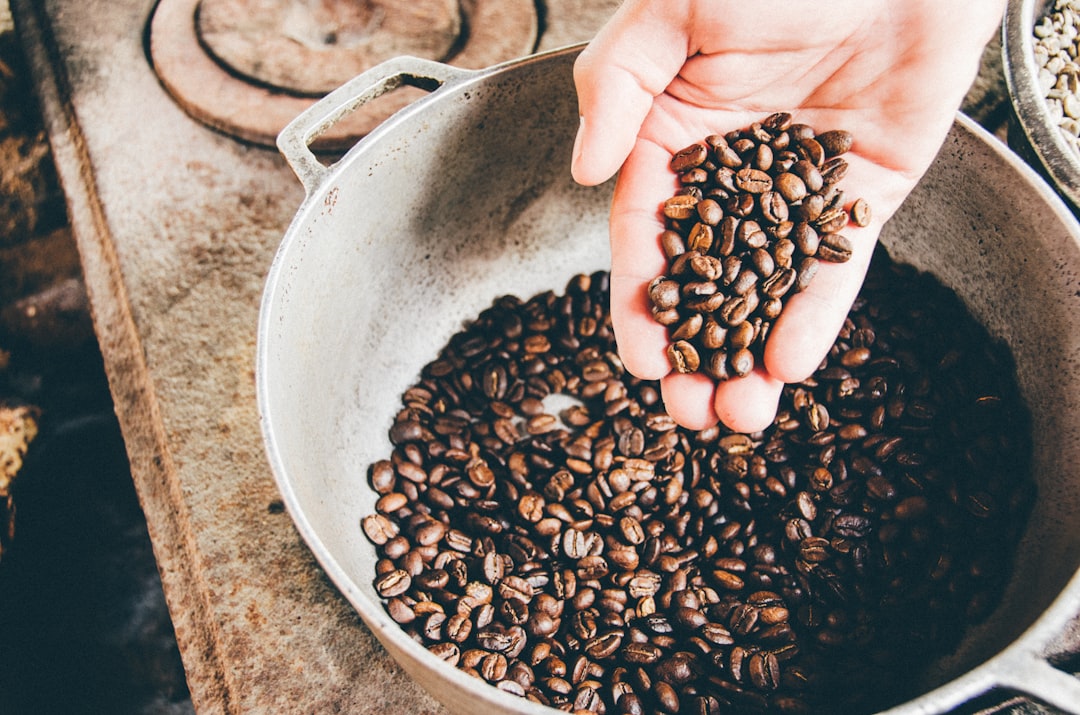
- Coarsely ground coffee. The grind should look like breadcrumbs — not fine like espresso powder. If you're buying pre-ground, look for "cafetiere" or "cold brew" grind. For whole beans, set your grinder to the coarsest setting. Coffee Masters Colombian Organic beans ground coarse make a fantastic cold brew with bright, clean flavours.
- Water. Filtered tap water beats straight-from-the-tap for taste. Cold brew is roughly 90% water, so the mineral profile matters.
- A strainer. A fine-mesh sieve, cheesecloth, or paper coffee filter for filtering out the grounds after steeping.
The Perfect Cold Brew Ratio
Forget strict recipes for a moment. The universal cold brew ratio is 1 part coffee to 8 parts water by weight. That's about 100 grams of coffee to 800 millilitres of water. This produces a concentrate that you dilute 1:1 with water or milk when serving.
If you want ready-to-drink strength (no dilution needed), use 1:15 — roughly 60 grams of coffee to 900 millilitres of water. The result is weaker but drinkable straight, and it's what most cafés serve as their cold brew base.
Here's the cheat sheet:
- 1:4 to 1:6 — Strong concentrate, for people who want maximum flexibility (dilute 1:2 or use in cocktails)
- 1:8 — Standard concentrate, the sweet spot for most people (dilute 1:1 for a regular-strength cup)
- 1:10 to 1:12 — Mild concentrate, drinkable with a splash of milk
- 1:15 — Ready to drink, no dilution needed
Step-by-Step: How to Make Cold Brew
This is the method that comes up most often in cold-brew forums. It makes about a litre of concentrate, which lasts one person 7 to 10 days.
Step 1: Grind the beans
Grind 100g of coffee beans to a coarse consistency. It should look like sea salt or breadcrumbs. If you're using pre-ground, cafetiere grind works perfectly. Do not use espresso grind — it'll turn bitter and sludgy.
Step 2: Combine in your container
Put the grounds in your jar or cold brew maker. Pour over 800ml of cold, filtered water. Stir gently to make sure all the grounds are saturated. Some will float — that's normal.
Step 3: Steep
Cover the container and leave it at room temperature for 18 hours. Room temperature extracts more flavour than fridge-cold. If you prefer a fridge steep (slower, cleaner taste), go for 24 hours. Don't go beyond 24 hours unless you're deliberately experimenting — the coffee starts getting muddy after that.
Step 4: Filter
Pour the contents through a fine-mesh sieve lined with a paper filter or cheesecloth into a clean jug. If you used a Hario Mizudashi, just lift out the filter insert and you're done — no sieving needed. The finished concentrate should look like dark, clear iced tea, not muddy water.
Step 5: Store and serve
Pour the concentrate into a sealed bottle or jar and keep it in the fridge. It stays good for up to 2 weeks, though it's best in the first week. To serve, pour 50:50 with cold water or milk over ice. For a hot cold brew (yes, that's a thing), dilute with hot water instead of cold.
Which Coffee Beans Make the Best Cold Brew?
Not all beans are created equal when they're brewed cold. The long steep time amplifies certain flavour notes and mutes others. Here's what works:
- Medium to dark roasts — These produce the classic cold brew profile: smooth, chocolatey, nutty, with low acidity. Lavazza Qualità Oro is a reliable medium roast with the right balance.
- Single origin Brazilian or Colombian — These beans naturally taste of chocolate and nuts, which translates into a creamy cold brew. The Coffee Masters Colombian Organic is a standout for cold brew.
- Avoid light roasts — Their floral and fruity notes can turn sour and unpleasant when extracted cold. If you want a bright cold brew, go for a medium roast Ethiopian, not a light one.
- Blends work well — Most UK roasters' house blends are designed for espresso, but they cold brew brilliantly. Union Original Blend makes an incredibly smooth cold brew with a hint of dark chocolate.
For a deeper look at bean choices, see our best coffee beans for cold brew UK guide.
Cold Brew vs Iced Coffee: What's the Difference?
This is the most common point of confusion. Iced coffee is hot-brewed coffee that's been cooled down and poured over ice. The heat extraction pulls out bitter compounds along with the flavour, so iced coffee often needs sugar or milk to balance it. Cold brew skips the heat entirely. The cold steep only extracts the sweet, smooth flavour compounds. The result is a concentrate that's naturally sweeter, less acidic, and completely free of bitterness.
Both have their place. Iced coffee is quicker to make. Cold brew is better in every other way. See our full cold brew vs iced coffee comparison for the breakdown.
5 Ways to Serve Cold Brew
Once you've got concentrate in the fridge, you're not limited to a standard iced coffee. Here are five ways to use it:
1. Classic Iced Cold Brew
Fill a glass with ice, pour in equal parts cold brew concentrate and cold water (or milk), and you're done. Add a splash of vanilla syrup or simple syrup if you want it sweet. This is the default and it's brilliant.
2. Hot Cold Brew
Sounds contradictory, but pour cold brew concentrate over hot water (same 1:1 ratio) and you get a cup of coffee that's smoother than anything from a drip machine. No bitterness, no acidity. Try it with a splash of milk.
3. Cold Brew Latte
Fill a glass halfway with cold brew concentrate, top with cold milk or oat milk, and stir. For extra points, froth the milk first. The smoothness of the cold brew means you taste the coffee, not the milk hiding bitterness.
4. Cold Brew Tonic
Fill a glass with ice, add a shot of cold brew concentrate, and top with tonic water. Fever-Tree Indian Tonic works best. It's refreshing, slightly bitter from the tonic, and dangerously drinkable on a hot afternoon.
5. Cold Brew Martini
Shake 50ml cold brew concentrate, 50ml vodka, and 25ml coffee liqueur (like Kahlúa) with ice. Double strain into a chilled martini glass. The best cocktail you can make in under a minute.
Looking for the best gear to make these? Check our best cold brew coffee makers UK 2026 roundup.
Common Cold Brew Mistakes (and How to Fix Them)
- It's bitter: Your grind is too fine, or you steeped too long (over 24 hours). Switch to a coarser grind and cut the steep time to 16 hours.
- It's sour or weak: You didn't steep long enough, or the ratio is too watery. Minimum 14 hours, and stick to 1:8 for concentrate.
- It's cloudy: Your filter isn't fine enough. Use a paper filter or a finer mesh. The AeroPress with a paper filter is excellent for filtering small batches of cold brew.
- It tastes like nothing: You used light roast beans. Switch to a medium or dark roast with chocolate tasting notes.
- It has floaty bits: The grounds weren't filtered thoroughly. Always filter through a fine-mesh sieve lined with a paper filter or cheesecloth.
Frequently Asked Questions
Products mentioned in this guide
- Hario Mizudashi Cold Brew Pot — The easiest beginner cold brew maker
- Hario Cold Brew Bottle — Portable cold brew brewer and carafe
- AeroPress Original Coffee Press — Great for filtering small cold brew batches
- Coffee Masters Colombian Organic Coffee Beans 1kg — Bright, clean cold brew favourite
- Union Original Blend Coffee Beans 1kg — Smooth dark chocolate cold brew profile
- Lavazza Qualità Oro Whole Coffee Beans — Reliable medium roast for cold brew
Final Verdict
Cold brew is the best coffee you can make at home with the least effort. It's smoother than any hot-brew method, it keeps in the fridge for two weeks, and it costs pennies per serving compared to the £4-ish you'd spend at a coffee shop. The upfront time investment is 10 minutes of active work plus an overnight steep, and the payoff is a week of perfect coffee.
Start with a Hario Mizudashi and a bag of decent medium-roast beans — the Union Original Blend is a safe starting point. Once you've nailed the basic method, experiment with different beans, ratios, and serving styles. You'll never look at a jug of iced coffee the same way again.

Sam Roberts writes about coffee machines, beans and brewing gear for Coffee Nerds.
As an Amazon Associate we earn from qualifying purchases.
Last reviewed: July 21, 2026 · Evidence-based content · Contains affiliate links