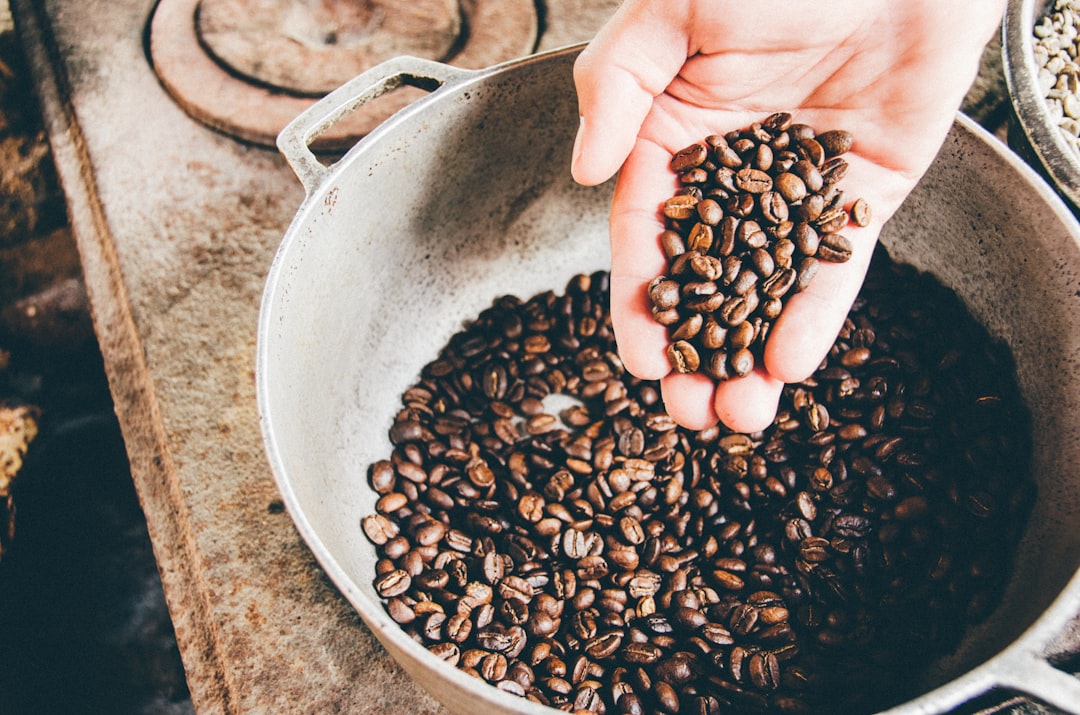
Organic Coffee Beans: 5 Questions Answered
Organic coffee beans have gone from a niche health-food store item to a mainstream supermarket staple. But what does "organic" actually mean for your morning cup, and is the extra cost justified? We answered the five most common questions we get about organic coffee.
What Are Organic Coffee Beans?
Organic coffee beans are grown without synthetic pesticides, herbicides, or fertilisers. Farms need to be certified by a recognised body like the Soil Association (UK) or USDA Organic (US), which means they've followed strict environmental standards for at least three years before the beans can carry the organic label.
The certification covers the whole supply chain, from how the coffee is grown to how it's processed and transported. It doesn't mean "no chemicals at all" - organic farms can use naturally-derived pesticides and fertilisers, but they have to meet specific criteria. The goal is to reduce environmental impact and avoid synthetic residue ending up in your cup.
In practice, most organic coffee comes from smaller farms in Central and South America, East Africa, and Southeast Asia. These farms often grow specialty-grade Arabica at higher altitudes, which is where the flavour quality really comes from.
Do Organic Coffee Beans Taste Different?
Short answer: not because they're organic. The certification itself doesn't change flavour. What does affect taste is the growing conditions, variety, altitude, and roast profile - all of which are separate from whether a bean is certified organic.
That said, there's a pattern worth noting. Many organic coffee farms grow smaller batches of specialty-grade Arabica rather than mass-produced commodity beans. This means the average organic bean you buy tends to be higher quality than the average non-organic supermarket option. It's not the organic label doing the work - it's the farming practices that often come alongside it.
If you're comparing a fresh organic whole bean to a pre-ground supermarket bag, the organic one will almost certainly taste better. But that's down to freshness and roast quality, not the certification.
Are Organic Coffee Beans Worth the Extra Cost?
Organic beans typically cost 15-30% more than conventional alternatives at the same weight. Whether that's worth it depends on what matters to you.
If you care about pesticide-free farming, environmental impact, and supporting farms that prioritise sustainability, the premium is reasonable. You're paying for a system that reduces chemical runoff, protects soil health, and often supports smaller farming communities.
If you're purely chasing flavour, the organic label doesn't guarantee a better cup. A fresh, well-roasted non-organic bean from a specialty roaster can taste just as good - sometimes better - than a stale organic option. Freshness and roast date matter more than certification.
Our take: buy organic when it's available and the price makes sense, but don't assume organic automatically means better coffee. Check the roast date first.
What's the Difference Between Organic and Fairtrade Coffee?
These are two separate certifications that cover different things.
Organic covers how the coffee is grown - no synthetic chemicals, environmental stewardship, specific soil management practices. It's about the farming method.
Fairtrade covers how farmers are paid - a minimum price guarantee and a community premium that goes toward schools, healthcare, and infrastructure. It's about the economic relationship.
You can have one without the other. A coffee can be organic but not Fairtrade (the farm doesn't participate in the Fairtrade programme), or Fairtrade but not organic (grown conventionally but sold under Fairtrade pricing). Many of the best beans carry both certifications, which means you're getting pesticide-free farming AND fair farmer compensation.
What Are the Best Organic Coffee Beans for Espresso?
For espresso, you want medium to dark roast organic beans with chocolate, nutty, or caramel flavour notes. These roast profiles pull well as espresso without the acidity becoming overpowering.
Here are three organic options we'd recommend for espresso:
- Coffee Masters Colombian Organic - a medium roast with balanced acidity and a clean, nutty finish. Works well as a standalone espresso or in milk drinks.
- Grumpy Mule Top Notch Organic - a darker roast with chocolate notes and good body. Produces a thick crema and holds up well in lattes.
- Cafédirect Machu Picchu - Fairtrade and organic, with a medium body and stone fruit sweetness. A versatile option for both espresso and filter.
Final Verdict
Organic coffee beans are a solid choice if you value sustainable farming and want to avoid synthetic residues. They don't automatically taste better, but the farms that pursue organic certification tend to grow higher-quality coffee as a side effect of their farming practices.
If you're switching to organic, start with whole beans from a specialist roaster rather than pre-ground supermarket options. The freshness will make a bigger difference than the certification. And if you want the full package, look for beans that carry both organic and Fairtrade labels - you're supporting better farming AND better farmer livelihoods.
Sam writes about coffee for Coffee Nerds - machines, grinders, beans and brewing gear for UK coffee lovers. He compares over 30 machines from budget pod makers to dual-boiler setups, and cups specialty coffee as a hobby.
As an Amazon Associate we earn from qualifying purchases.
Last reviewed: August 29, 2026 · Evidence-based content · Contains affiliate links