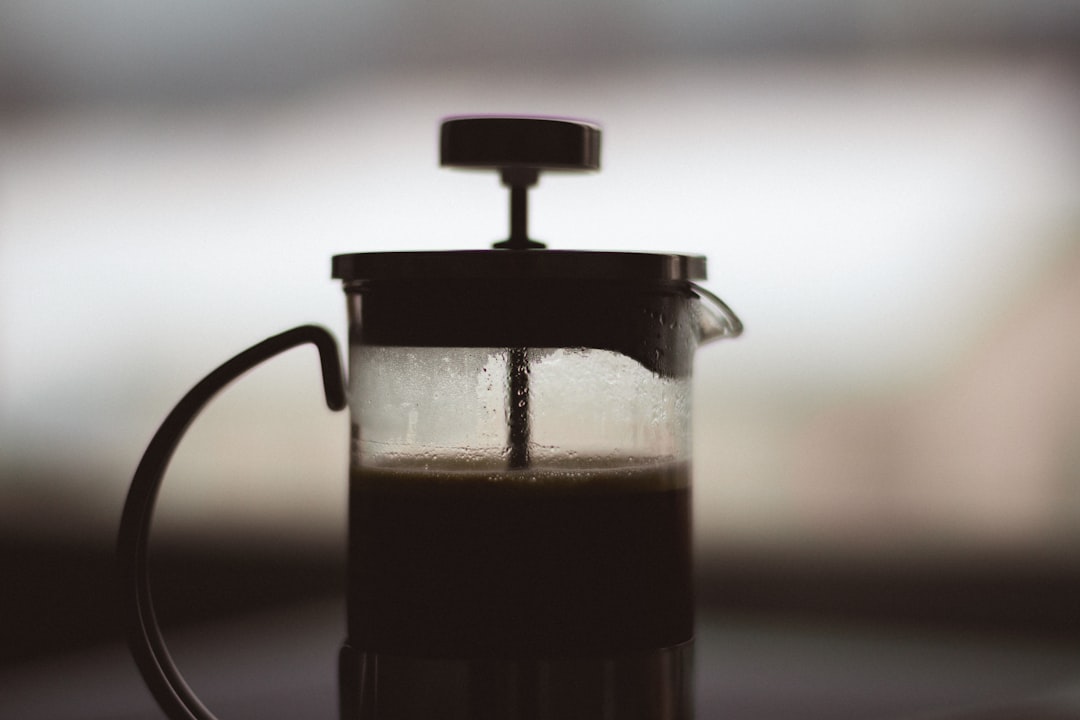
How to Make French Press Coffee Without a French Press
You don't need a French press to get that rich, full-bodied cafetiere taste. The French press is a full-immersion brewing method, which means the coffee grounds sit in hot water for several minutes before being separated. That's it. If you can steep coffee and filter it, you can make French press-style coffee with almost anything in your kitchen.
Here are four methods that actually work, ranked from closest match to easiest improvisation.
Can you actually make French press coffee without a French press?
Yes. French press brewing is full immersion, not pressure-driven like espresso. You steep coarse grounds in hot water for 4 minutes, then separate the grounds from the liquid. Any heatproof container plus a strainer can replicate this. The taste won't be identical because the metal mesh filter of a cafetiere lets oils and fine particles through (giving that signature body), but you can get remarkably close.
Method 1: AeroPress (closest match)
The AeroPress Original Coffee Press is the closest thing to a French press without being one. It's full immersion with a paper or metal filter, and you control steep time completely.
How to do it:
- Use 17g of coarse-ground coffee (same as you'd use in a cafetiere)
- Add 250ml of water at 93-96°C
- Stir gently, cap with the filter, and wait 4 minutes
- Press down slowly over 30 seconds
With a metal filter instead of paper, you'll get oils passing through just like a French press. The Fellow Prismo attachment adds this capability. An AeroPress with metal filter produces a cup that most people can't distinguish from a cafetiere in a blind taste test.
Method 2: Mason jar or any heatproof container
This is the simplest improvisation. Grab a heatproof glass jar, a large mug, or even a measuring jug with a saucer on top as a lid.
How to do it:
- Add 30g coarse-ground coffee to your jar
- Pour in 450ml of just-off-the-boil water
- Stir once, cover with a lid or saucer
- Wait 4 minutes
- Pour through a fine mesh strainer into your mug
The trade-off: a mesh strainer lets more fine sediment through than a cafetiere's plunger, so your last sip will be grittier. Use a paper filter lined inside the strainer for a cleaner cup, though you'll lose some of that French press body.
Method 3: Cold brew (overnight immersion)
Cold brew is technically full immersion too, just with cold water over a longer steep. A Hario Mizudashi Cold Brew Pot makes this almost as convenient as a French press.
How to do it:
- Use a 1:8 coffee-to-water ratio (80g coffee to 640ml cold water)
- Stir, cover, and refrigerate for 12-18 hours
- Strain through a fine mesh or paper filter
- Dilute 1:1 with hot water for a hot "French press" style drink
Cold brew concentrate diluted with hot water produces a smoother, less acidic version of what a French press gives you. It's not identical, but the full-immersion extraction shares the same DNA.
Method 4: The cupping method (barista technique)
Cupping is how professional tasters evaluate coffee. It's literally coffee grounds steeped in a mug, then the crust is broken and grounds are skimmed off. It's the most "French press" thing you can do without any equipment at all.
How to do it:
- Put 8g of coarse-ground coffee in a standard mug
- Pour 150ml of water at 93-96°C directly over the grounds
- Wait 4 minutes without stirring
- Break the crust with a spoon, stir twice, and let grounds settle for 2 minutes
- Sip from the surface, or carefully pour off the top into another mug
Cupping produces a clean, full-flavoured cup. The grounds settle naturally rather than being filtered out, so the final sip is gritty, but the first 80% of the cup is remarkably similar to French press.
What grind size works for improvised French press?
Coarse. The same coarse grind you'd use in a cafetiere. If you're grinding at home, a Timemore Chestnut C2 set to about 24-28 clicks produces the right particle size. Fine grinds will over-extract in 4 minutes of immersion and taste bitter, plus they'll pass through any improvised filter.
Does the taste actually match?
The AeroPress with a metal filter gets within 90% of the cafetiere experience. The jar-and-strainer method is about 75% there. The main difference is body: a cafetiere's mesh plunger lets through coffee oils and micro-fines that paper filters absorb. If you use a paper filter in your improvised method, you'll get a cleaner but thinner cup. For the closest match, always use metal mesh, not paper.
Frequently Asked Questions
Final Verdict
The AeroPress with a metal filter is the clear winner for replicating French press coffee without the actual device. It's full immersion, lets oils through, and costs less than a decent cafetiere. For a zero-equipment option, the cupping method works surprisingly well. Either way, stick to coarse grounds, 4 minutes of steep time, and a 1:15 coffee-to-water ratio. The device matters less than you think.

Sam writes about coffee for Coffee Nerds - machines, grinders, beans and brewing gear for UK coffee lovers. He keeps the nerdy details practical.
As an Amazon Associate we earn from qualifying purchases.
Last reviewed: August 25, 2026 · Evidence-based content · Contains affiliate links