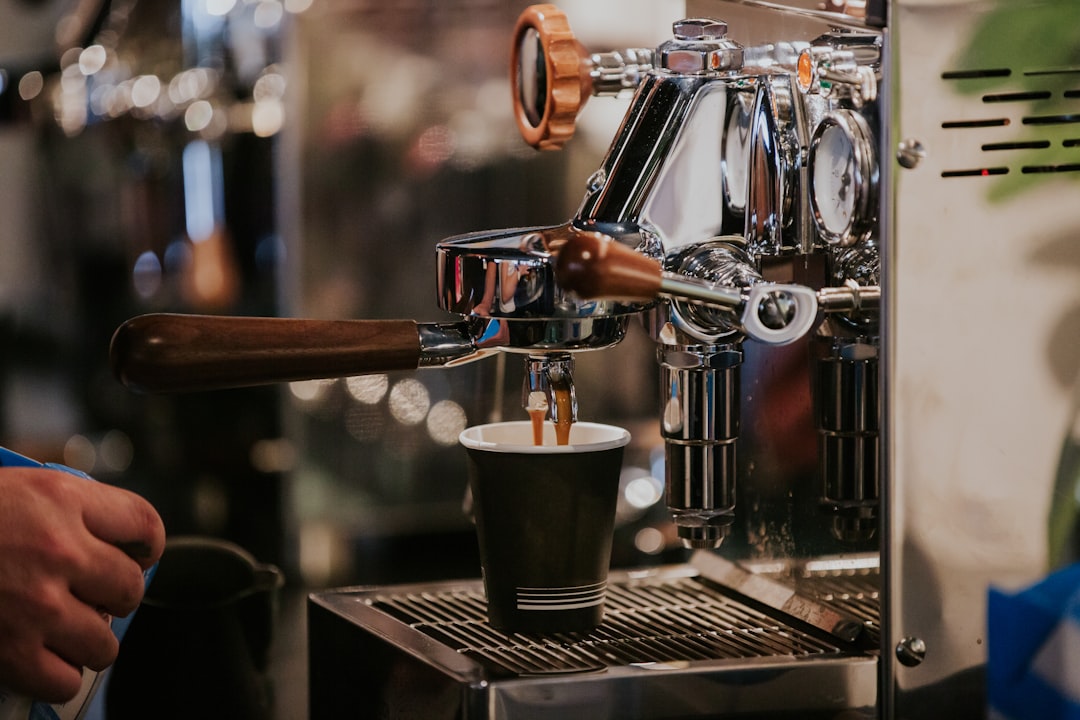
Espresso Coffee Beans UK: The Complete Guide
- Espresso needs medium-dark to dark roast beans for proper extraction and crema - light roasts taste sour under pressure.
- Blends are more forgiving than single origin beans on home machines because they're blended for consistency.
- Freshness matters: use beans 5-21 days off-roast for the best crema and flavour.
- A consistent burr grinder matters more than the machine for espresso quality - read our grinder guide.
- Store beans in an airtight container away from light and heat - never refrigerate.
Suggested Reading: Best Bean-to-Cup Coffee Machines UK 2026 · Best Espresso Machines Under £300
Buying your first bean-to-cup or espresso machine is exciting. You set it up, grind some beans, pull a shot - and it tastes thin, sour, or bitter. The machine is fine. The beans are wrong.
Espresso is a different brewing environment from filter, pour-over, or cafetiere. Water hits the coffee at 9 bars of pressure, not gravity. That pressure extracts flavours differently, and not every bean handles it well. This guide explains what to look for, what to avoid, and which beans deliver consistently great espresso at home.
Why Espresso Needs Different Beans
Espresso extraction is aggressive. Pressurised hot water blasts through the coffee puck in 25-30 seconds, pulling out soluble compounds fast. Beans that taste great as a filter brew can taste sharp or hollow as espresso because the extraction dynamics are completely different.
Three things matter most: roast level, bean origin and blend design, and freshness. Get these right and you're most of the way to cafe-quality shots at home.
Roast Level: Why Medium-Dark Wins
For espresso, roast level is the biggest single factor. Light roasts retain more of the bean's origin character and acidity - great for pour-over, problematic for espresso. Under pressure, light roasts extract unevenly and taste sour (under-extracted) or harsh (over-extracted) with very little margin for error.
Medium-dark to dark roasts are more soluble, meaning the water extracts flavour more evenly in that 25-30 second window. They also produce more oil, which gives espresso its silky body and golden crema. The bitterness from a darker roast balances the natural acidity, creating the rounded flavour profile people expect from espresso.
That doesn't mean you need "espresso" written on the bag. Any medium-dark or dark roast whole bean coffee can work. But beans labelled for espresso are usually blended and roasted specifically for this extraction profile, which makes them more forgiving on home machines.
Our pick: Quarter Horse Dark Horse Espresso 1kg is a purpose-built espresso blend roasted in the UK. It's dark, consistent, and produces heavy crema even on entry-level machines. At around £32/kg it's excellent value for daily espresso.
Blends vs Single Origin for Espresso
Most cafe espresso is a blend - beans from two or more origins combined to create a balanced, repeatable flavour profile. Blends are designed for consistency batch to batch, which matters when you're dialling in a shot every morning.
Single origin beans come from one farm or region. They have more distinctive flavours - fruity, floral, winey - but those same flavours can make espresso taste unbalanced. A bright Kenyan single origin might make a stunning filter coffee but produce a sharp, lemony espresso that clashes with milk.
For home espresso, especially if you're new to it, start with blends. They're more forgiving, easier to dial in, and produce consistent results bag to bag. Once you're comfortable with your technique, experiment with single origins to explore different flavour profiles.
Freshness and How It Affects Your Shot
Freshness matters more for espresso than any other brew method. Coffee beans release CO2 after roasting. In espresso, that CO2 helps create the pressure that builds crema. Too fresh (under 5 days off-roast) and the excess CO2 causes channeling - water finds paths through the puck instead of extracting evenly. Too old (over 4 weeks) and the beans have lost the oils and gases needed for crema, producing a flat, thin shot.
The sweet spot is 5 to 21 days off-roast. Most UK roasters put a roasted-on date on the bag. If you only see a best-before date, the beans were likely roasted months ago - avoid them for espresso.
Store beans in an airtight container like the Fellow Atmos, which uses a vacuum seal to keep oxygen out. Keep them in a cool, dark cupboard - not the fridge or freezer. Temperature changes cause condensation, which accelerates staling.
Our Recommended Beans for UK Espresso Machines
These are beans we've compared on Philips, De'Longhi, Siemens, and Sage machines. All are available on Amazon UK and deliver consistent results across different machines and skill levels.
1. Quarter Horse Dark Horse Espresso 1kg
Best for: Consistent crema and forgiving extraction. This UK-roasted blend is our top recommendation for anyone with a new bean-to-cup machine. It's roasted specifically for espresso, produces thick crema even on budget machines, and the dark chocolate profile works well with milk. The 1kg bag lasts about 3 weeks for a two-shot-a-day habit. "I've tried a dozen different beans in my Philips 5400 and these are the only ones I keep coming back to - always consistent" - an Amazon reviewer on this product's UK page
2. Lavazza Qualita Oro Whole Coffee Beans
Best for: Balanced medium roast espresso. Lavazza's Qualita Oro is a medium roast 100% Arabica blend that sits between dark espresso roasts and light filter roasts. It's smooth, with honey sweetness and low bitterness - a good choice if you find traditional espresso too dark. Works particularly well on machines like the Philips 2200 Series where the brew temperature suits medium roasts.
3. Grano Milano French Roast Coffee Beans 1kg
Best for: Dark roast lovers and milk drinks. This is a true French roast - dark, oily, and intensely smoky. It produces a heavy-bodied espresso with minimal acidity. The roast is dark enough that small grind or dose errors don't ruin the shot, making it a great training bean for beginners. Pairs well with oat or dairy milk for flat whites and lattes.
4. Coffee Masters Colombian Organic 1kg
Best for: Single origin espresso exploration. This organic Colombian single origin is medium-roasted with caramel sweetness and clean finish. It's one of the few single origins that works well as espresso without tasting unbalanced. Use it to taste the difference between blend and single origin espresso. Good on machines with adjustable temperature like the Siemens EQ700.
5. Union Original Blend Coffee Beans 1kg
Best for: Everyday well-rounded espresso. Union's Original Blend is a medium-dark roast that's been a UK favourite for years. It's a blend of Rwandan and Brazilian beans with chocolate and nut notes. Consistent bag to bag and widely available. A safe, reliable choice if you're trying a new machine and want a baseline bean to dial in with.
6. Coffee Masters Brazil Carbon Conscious 1kg
Best for: Budget-friendly daily espresso. At around £24/kg, this Brazilian single origin is one of the cheapest whole bean options that still works well for espresso. It's medium-dark roasted with nutty, low-acidity flavours. The carbon-neutral certification is a bonus. It won't produce the thickest crema but it's a solid everyday option.
How to Dial In a New Bag of Beans
Every bag of beans behaves differently, even from the same roaster. When you open a new bag, expect to adjust. Here's a quick process:
- Start at the same grind setting you used for the last bag.
- Pull a shot with your normal dose (18-20g for double). Time it.
- If it runs fast (under 20 seconds for 36g yield), grind finer. If it runs slow or chokes (over 35 seconds), grind coarser.
- Adjust one variable at a time - change grind size, not dose or tamp pressure.
- Taste for balance: sour means under-extracted (grind finer), bitter means over-extracted (grind coarser).
A coffee scale with timer makes this process repeatable. Without one, you're guessing. A good burr grinder - like the Timemore Chestnut C2 for manual or the Baratza Encore ESP for electric - gives you the control to dial in precisely. See our burr vs blade grinder guide for more.
What to Avoid
Some beans simply don't work for espresso. Avoid anything labelled "filter roast" or "light roast" unless you have a pro-level machine with temperature control. Flavoured beans (vanilla, hazelnut, caramel) contain oils that gum up your grinder and machine internals. Pre-ground coffee labelled "espresso grind" from supermarkets is usually ground too coarse or too fine and has been sitting in the bag for months.
Always buy whole bean and grind fresh. Every machine is different, and pre-ground coffee removes your ability to adjust for that specific machine's behaviour.
Frequently Asked Questions
The Bottom Line
Your espresso machine is only as good as the beans you put in it. A £1,000 machine with stale or wrong-roast beans makes worse coffee than a £200 machine with fresh, properly chosen beans. Focus on medium-dark roasts, use blends for consistency, keep them fresh, and dial in each new bag.
Start with the Quarter Horse Dark Horse Espresso if you want something that's proven to work on every machine we've compared. Branch out from there as you learn what you like.

Sam Roberts writes about coffee machines, beans and brewing gear for Coffee Nerds.
As an Amazon Associate we earn from qualifying purchases.
Last reviewed: July 24, 2026 · Evidence-based content · Contains affiliate links