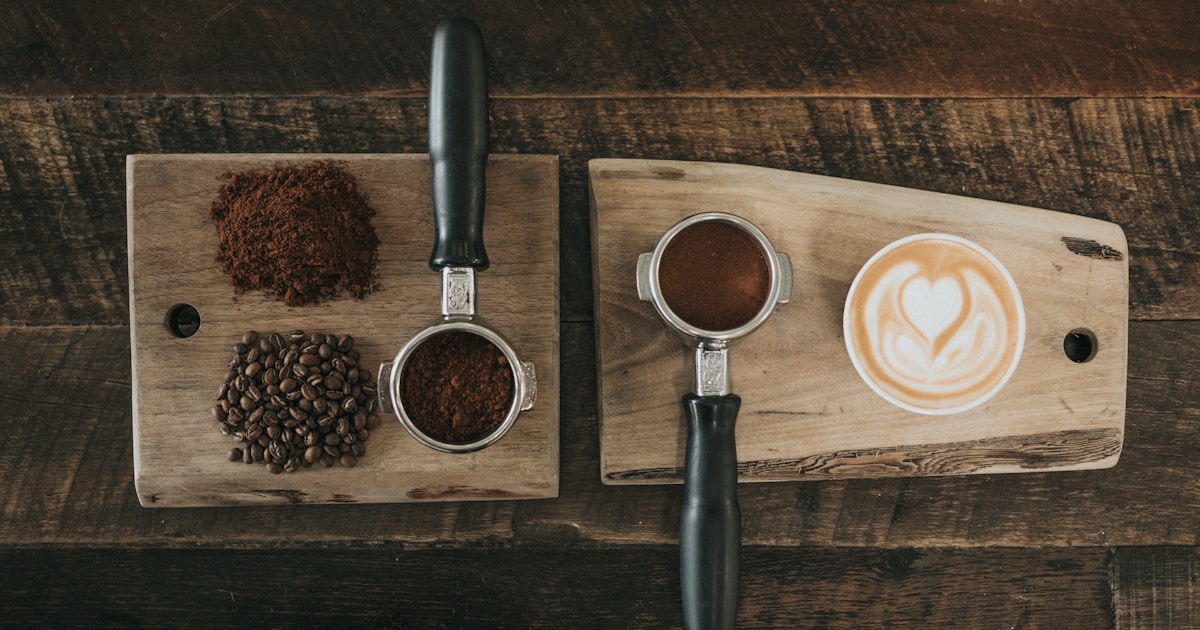
Coffee Machine Types Explained — A Beginner's Guide to Choosing Your First Coffee Maker UK
☕ Key Takeaways
- Bean-to-cup machines are the best all-in-one option for espresso lovers who want fresh-grind convenience
- Cafetieres (French presses) are the cheapest way to brew great coffee — and they're genuinely good
- AeroPress is the most versatile brewer under £40 — great for travel, camping, or daily use
- Pour-over brewers like the Hario V60 give you total control over flavour but need practice and a gooseneck kettle
- Pod machines are the most convenient option — but they cost more per cup and create more waste
Suggested Reading: Our full bean-to-cup machine comparison · best pour-over brewers compared
Walking into a coffee shop in the UK in 2026 is overwhelming enough with the menu board — but standing in the coffee machine aisle at John Lewis or scrolling Amazon UK is a different kind of paralysis. Bean-to-cup, espresso, pod, filter, cafetiere, AeroPress, pour-over… what do you actually need?
The honest answer? It depends entirely on how you drink coffee. If you're a flat-white-for-commute person, you want something different from a weekend-black-filter-sipper or a "let's make a ritual of it" enthusiast. This guide breaks down every major coffee machine type available in the UK, who it's for, and what it costs — so you can pick the right one before you spend.
1. Bean-to-Cup Coffee Machines — The All-in-One Powerhouse
Bean-to-cup machines do everything: grind fresh beans, tamp, brew espresso, steam milk, and eject the used puck into a bin. You add beans and water, press a button, and get café-quality coffee. No grinding, no measuring, no mess.
These machines dominate the UK bean-to-cup market for good reason. The Philips 5500 Series EP5546/70 sits at the premium end with a LatteGo milk system that froths in seconds and rinses clean in 15 seconds. For most households, the Philips 2200 Series EP2220/10 offers the same core brewing technology at nearly half the price — the main difference is a simpler steam wand and fewer customisation settings.
☕ Best for: People who drink milk-based coffee daily and want fresh beans without the fuss. If your morning routine is "press button, get flat white" — this is your machine. See our full bean-to-cup comparison for the full lineup.
For the premium shopper, the Siemens EQ700 TP715GB1 is a step up in build quality with a ceramic grinder and dual thermoblock heating. It's around £900 but built to last a decade. At the budget end, the De'Longhi Magnifica S ECAM22.110.B has been a UK bestseller for years — basic but reliable, and often found under £300.
2. Pod & Capsule Machines — One-Button Convenience
Nespresso, Tassimo, and Dolce Gusto dominate this category. You pop in a capsule, press a button, and 30 seconds later you have coffee. No beans to store, no grinder to clean, no learning curve.
Pod machines are the most popular coffee makers in UK kitchens for a reason: they're idiot-proof. A Nespresso Vertuo machine costs around £100 and delivers consistently decent coffee. The downsides are the per-cup cost (30-50p per capsule vs 10-15p for fresh beans) and the waste — even with recycling schemes, capsules create more packaging than any other method.
Verdict: Perfect if convenience matters more than cost-per-cup or environmental footprint. Not the choice for coffee enthusiasts who want to explore single-origin flavours.
3. Cafetiere (French Press) — The Classic UK Brew
Every British household has owned a cafetiere at some point, and for good reason. It's the simplest brewing method: coarse grounds + hot water + 4 minutes + plunge = done. No paper filters, no electricity, no moving parts.
🛒 Our Pick: The Bodum Chambord 12-Cup (£30-40) is the iconic French press — borosilicate glass, stainless steel frame, and a mesh plunger that lasts for years. For smaller households, the Bodum Brazil 8-Cup is practically identical at half the price.
A good cafetiere costs £20-50 and produces genuinely excellent coffee if you use fresh beans and a coarse grind. The trade-off is sediment in your cup (some love it, some don't) and the need to rinse the plunger immediately after use — dried coffee grounds in a cafetiere mesh are a pain to clean.
4. AeroPress — The Versatile Travel Companion
The AeroPress Original is the cult favourite of the coffee world. It's a plastic chamber with a plunger that forces hot water through ground coffee and a paper micro-filter. The result is a smooth, clean cup — espresso-strength or diluted to Americano — with almost no bitterness.
What makes the AeroPress special is its versatility. Use the standard method for a clean brew, invert it for a stronger immersion brew, or use the new flow-control cap for bypass brewing. It takes 90 seconds, uses any grind size (adjust your recipe accordingly), and packs smaller than a travel mug.
At under £35, it's the cheapest way to make genuinely good coffee. The only catch: it makes one cup at a time, so it's not practical for households drinking multiple cups simultaneously.
5. Pour-Over (V60, Chemex) — For the Flavour Purist
Pour-over brewing is the method of choice for coffee enthusiasts who want maximum control. You pour hot water over coffee grounds in a filter cone, controlling the rate, temperature, and pattern of your pour. The result is the cleanest, most flavour-transparent cup you can make at home.
The Hario V60 Ceramic is the standard — its spiral ribs and single large hole let you control flow rate directly. For batch brewing, the Chemex Classic 6-Cup uses thicker filters that produce an exceptionally clean cup, and it doubles as a serving carafe.
Pour-over requires a gooseneck kettle for precise pouring and a coffee scale with timer for consistency. The upfront cost adds up (£60-80 for a kettle and scale) but the per-cup cost is lower than any other method.
🎯 Best for: Solo drinkers who love exploring single-origin flavours and don't mind a 3-minute ritual. See our best pour-over coffee makers guide for full reviews.
6. Filter Coffee Machines — Batch Brewing for the Household
Traditional filter machines (the kind with a glass carafe and paper cone filter) are making a comeback. A good filter machine maintains water at exactly 92-96°C and distributes it evenly over the coffee bed — producing a clean, consistent pot of coffee that stays hot for an hour.
These are the best choice for households where 2+ people drink coffee in the morning. One brew cycle makes 8-12 cups in about 6 minutes, and you don't need to stand over it. Brands like Moccamaster and Wilfa dominate this category in the UK, with prices from £80 to £300.
Verdict: Underrated and perfect for busy households. Not ideal if you mostly drink milk-based coffee or single cups.
7. Manual Espresso Machines — For the Hobbyist
Manual espresso machines (lever or semi-automatic) let you control every variable: dose, tamp pressure, water temperature, and extraction time. They're the domain of the coffee obsessive — people who weigh their dose to 0.1g and time their extractions with a stopwatch.
Brands like Sage, Gaggia, and Rancilio dominate the UK market. A Sage Barista Express (around £600-700) includes a built-in grinder and delivers genuinely café-quality espresso with practice. The learning curve is real — expect 2-3 weeks of mediocre shots before you dial in your routine.
Manual espresso is the most rewarding path if you enjoy the process as much as the drink. But if you just want good coffee without homework, a bean-to-cup machine delivers 90% of the results with 10% of the effort.
How to Choose — Your Decision Framework
Here's a cheat sheet based on how you actually drink coffee:
| Your Habit | Best Machine Type | Budget Range |
|---|---|---|
| "I want one-button espresso daily" | Bean-to-cup | £250-1,200 |
| "I just want a quick cup, no fuss" | Pod machine | £50-200 |
| "Best value for the best taste" | Cafetiere or AeroPress | £20-40 |
| "I love exploring coffee flavours" | Pour-over (V60/Chemex) | £15-50 (plus kettle) |
| "Big family — 4+ cups every morning" | Filter machine | £80-300 |
| "I want to become a home barista" | Manual espresso | £300-1,500+ |
Frequently Asked Questions
Final Verdict
There's no single "best" coffee machine type — only the best for your routine. If you want one-button convenience with fresh beans, get a bean-to-cup machine. If you want the best coffee for the least money, get an AeroPress or a cafetiere. If you want a hobby and the best possible espresso, go manual.
The common thread across all our recommendations? Fresh beans. The most expensive machine in the world makes mediocre coffee with stale supermarket grounds. Spend your first £15 on freshly roasted beans from a local UK roaster, then decide which machine deserves them.
See our best bean-to-cup coffee machines guide for the full ranked comparison, or best pour-over brewers if manual brewing is your path.
Products Mentioned in This Guide
- Philips 5500 Series EP5546/70 LatteGo — Premium bean-to-cup with automatic milk frothing
- Philips 2200 Series EP2220/10 — Best value bean-to-cup for most households
- Siemens EQ700 TP715GB1 — Premium bean-to-cup with ceramic grinder
- De'Longhi Magnifica S ECAM22.110.B — Budget bean-to-cup, Compared and Rated
- Bodum Chambord 12-Cup French Press — Iconic cafetiere
- Bodum Brazil 8-Cup French Press — Budget cafetiere
- AeroPress Original — The ultra-versatile travel brewer
- Hario V60 Ceramic Dripper — The pour-over standard
- Chemex Classic 6-Cup — Batch pour-over brewer
- Fellow Stagg EKG Gooseneck Kettle — Precision pouring kettle
- Maestri House Coffee Scale with Timer — 0.1g precision for consistent brews
- Timemore C2 Manual Grinder — Entry-level hand grinder

Sam Roberts writes about coffee machines, beans and brewing gear for Coffee Nerds.
As an Amazon Associate we earn from qualifying purchases.